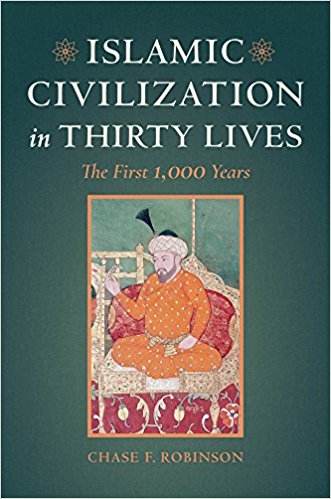
Islamic Civilization in Thirty Lives: The First 1,000 Years
Tom Verde
Chase F. Robinson
2016, University of California Press, 978-0-52029-298-7, $29.95 hb.
This substantive text takes the “Who’s Who” approach to history to a higher level. Vast in scope, it profiles major Muslim writers, philosophers, scientists and political leaders who shaped Islamic civilization from its origins to the height of the Ottoman Empire. Each entry adds insightful context and color while “disentangling the legendary from the reliable.” The life and works of the 11th-century Central Asian geographer-astronomer al-Biruni, one of the world’s first “celebrity-scientist[s]”—centuries before the likes of Carl Sagan or Neil deGrasse Tyson—are examined in detail, while we learn that Marx and Engels both read the 15th-century Tunisian scholar Ibn Khaldun, “one of the pre-industrial world’s most original social theorists.” Here, too, are profiles of important, though perhaps lesser-known, individuals such as 10th-century Baghdadi scribe Ibn Muqla, “a watershed figure in the history of writing styles” and a pioneer of Islamic calligraphy. Colorful illustrations, helpful maps and a glossary, along with suggestions for reading, add to the value of this comprehensive reference work.
You may also be interested in...
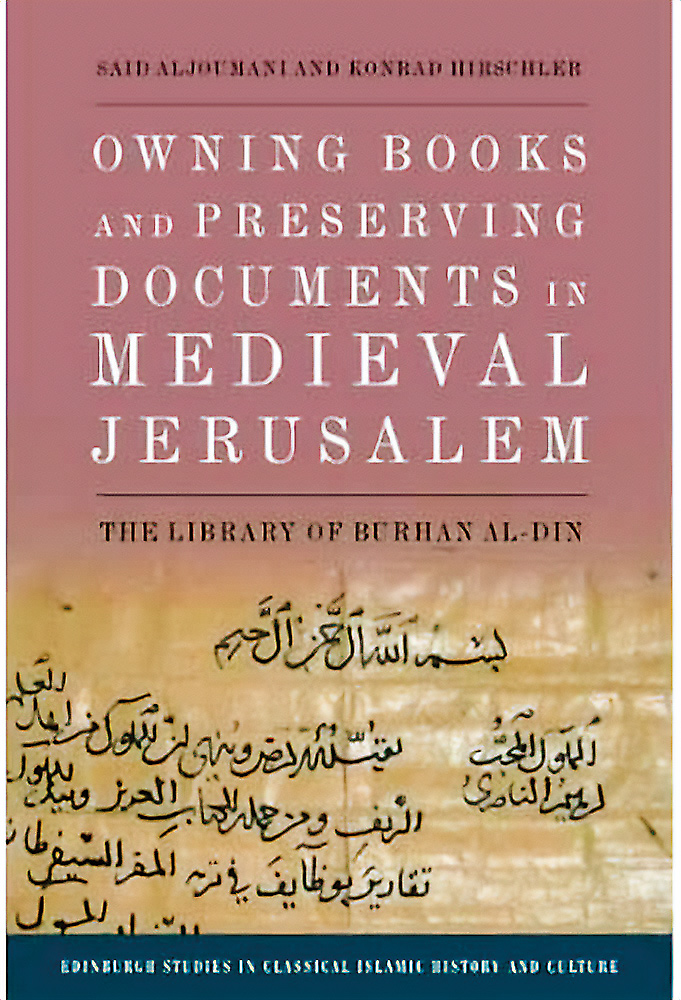
Owning Books and Preserving Documents in Medieval Jerusalem—Book Review
In this painstaking work, Owning Books and Preserving Documents in Medieval Jerusalem, historians Said Aljoumani and Konrad Hirschler explore a culture in which books became woven into the fabric of daily life through the case of Burhān al-Dīn Ibrāhīm al-Nāsīrī.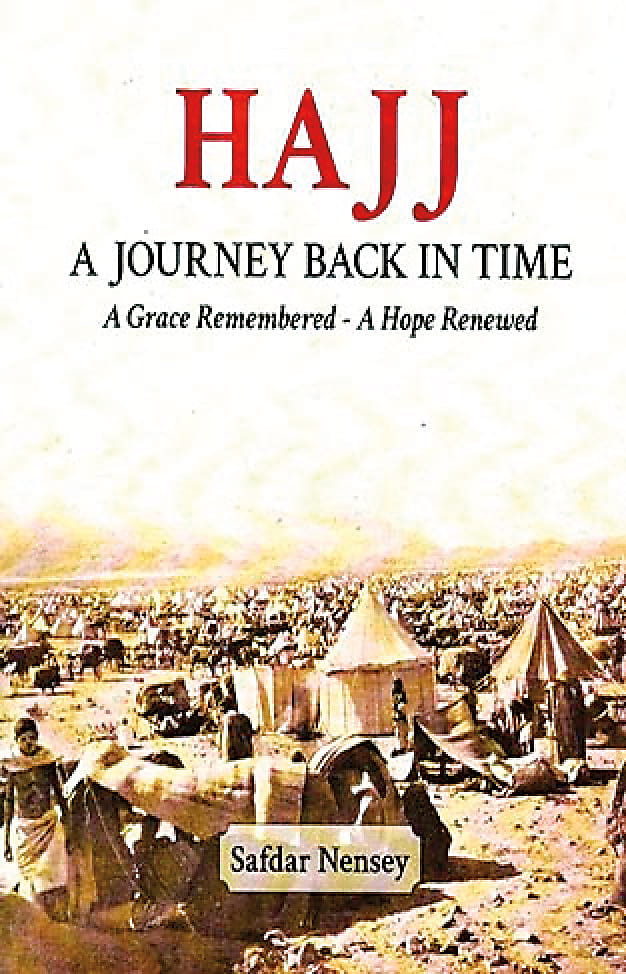
Author Safdar Nensey’s Hajj: A Journey Back in Time—Our Book Review
Safdar Nensey invites readers into one of the world's oldest and most sacred annual expeditions: the Muslim pilgrimage to Makkah.