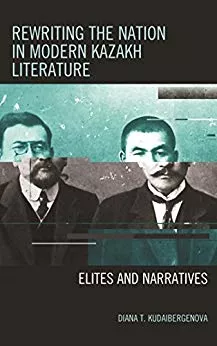
Rewriting the Nation in Modern Kazakh Literature: Elites and Narratives
Alva Robinson
Diana T. Kudaibergenova
2017, Lexington Books, 978-1-49852-892-0, $95 hb.
In the early part of the 20th century, when Kazakhstan was transitioning from a Russian tsarist colonial outpost to a socialist republic in the Soviet Union, a movement of Kazakh intellectuals and political activists emerged. Known as the Alash, this group introduced the birth of both Kazakh literature and the Kazakh nation. The author, a Kazakh graduate of Cambridge University, examines the relationship of Kazakh modernity and nationalism, and the “cultural production of generations of pre-Soviet, Soviet, and post-Soviet writers in Kazakhstan.” Literature became the main “channel of communication, space of cultural production and rich canvas for remembering” the past. As Kazakhstan undergoes a Kazakh literature revival nearly 30 years after its independence in 1991, the book is a timely and valuable way for readers to become more familiar with the dynamism of the Kazakh cultural landscape over the past 100 years.
You may also be interested in...
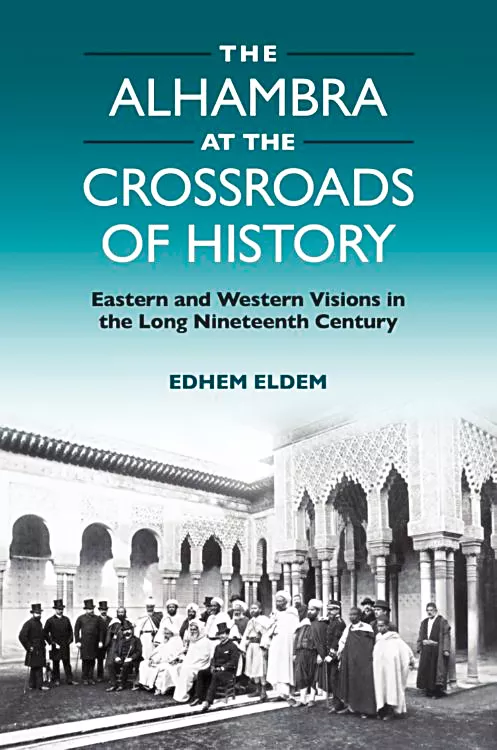
The Alhambra at the Crossroads of History—Our Book Review
The Alhambra at the Crossroads of History shows how the 13th-century Andalusi palace complex in Granada, modern Spain, generates often conflicting meanings at the same time—meanings actively constructed and sometimes misread. Edhem Eldem, an Istanbul-based history professor, traces its role in shaping social and cultural identities across imperial Europe, Arab North Africa and Ottoman Türkiye from the 18th to the early 20th centuries.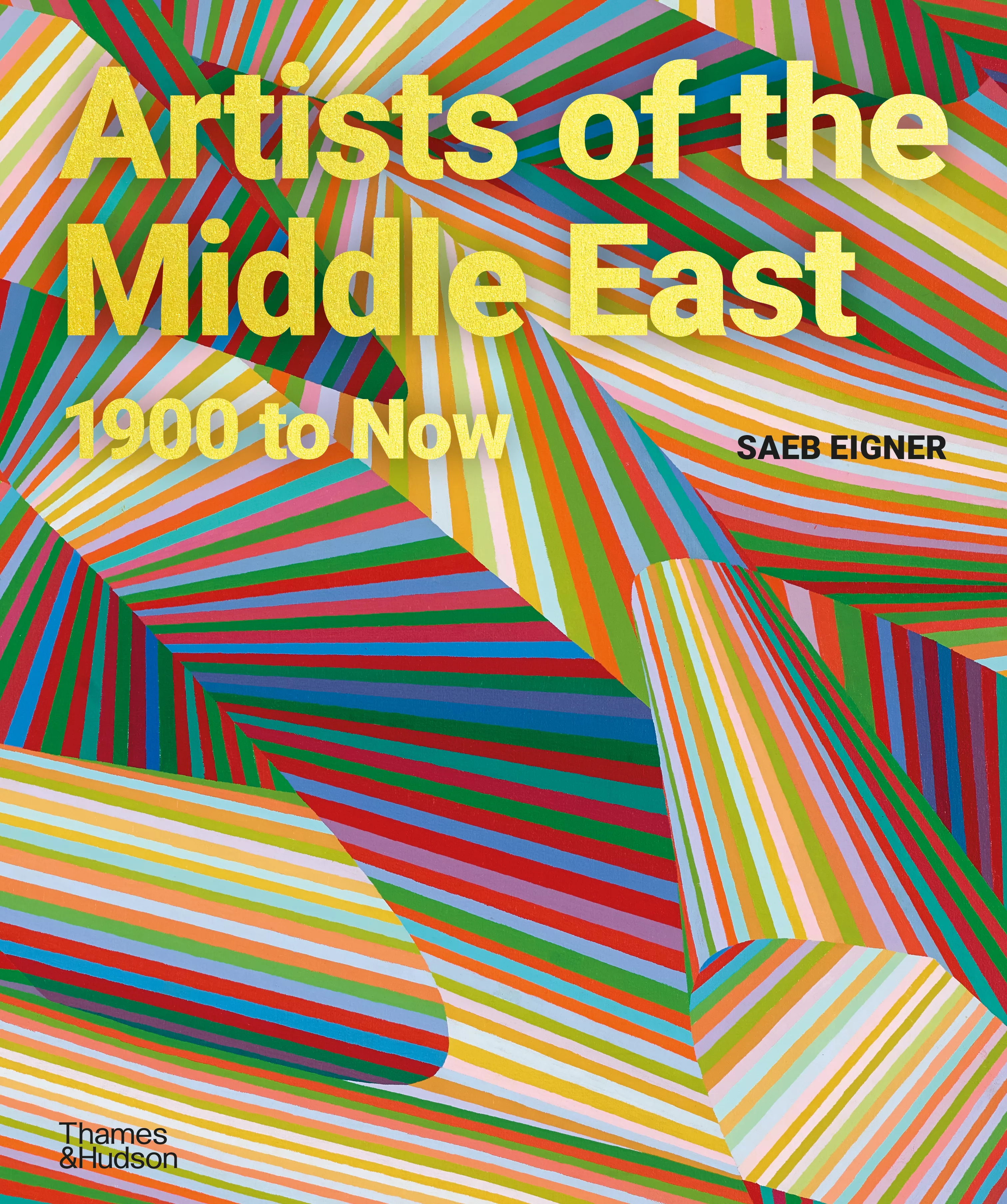
Saeb Eigner Brings Readers Closer to the Artists of the Middle East
Artists of the Middle East emphasizes the breadth of an artistic community that spans nations, styles and mediums while challenging the assumption that these artists are at once the same as each other and different from those in the West.