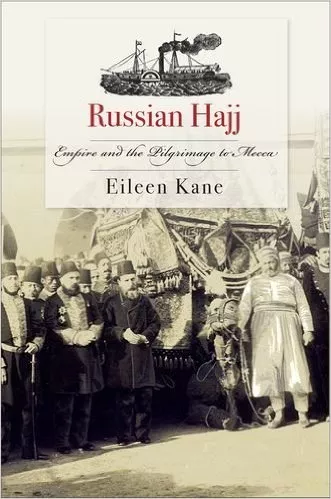
Russian Hajj: Empire and the Pilgrimage to Mecca
Tom Verde
Eileen Kane
2015, Cornell UP, 978-0-80145-423-3, $35 hb.
In the late 19th century, writes Eileen Kane, the Russian empire “took on a new role in the world: patron of the hajj.” It practically had to. Absorbed into the empire via conquest of parts of the Caucasus, the Kazakh steppe, Bukhara and other regions of Central Asia, Muslims composed Russia’s second-largest religious demographic by 1897. Advances in rail and steamship transportation enabled the empire to facilitate “mass hajj traffic,” while providing special passports and legal protections for pilgrims. Despite rhetoric about religious tolerance, there were underlying political motivations for the initiative. Surveillance of Muslim subjects was one; diplomacy with neighboring Muslim powers (e.g. Persia) was another. These and other fascinating details of the organizational efforts behind Russia’s sponsorship of the hajj (the establishment of medical facilities along the way and outfitting ships with special rooms for ablutions as well as halal food, for example) are examined in this concise and informative volume on an often-overlooked chapter in Russian history.
You may also be interested in...

A Scholarly Look at Football in the Middle East—Our Book Review
This collection, edited by Abdullah Al-Arian, explores the early history and growing influence of football throughout the region.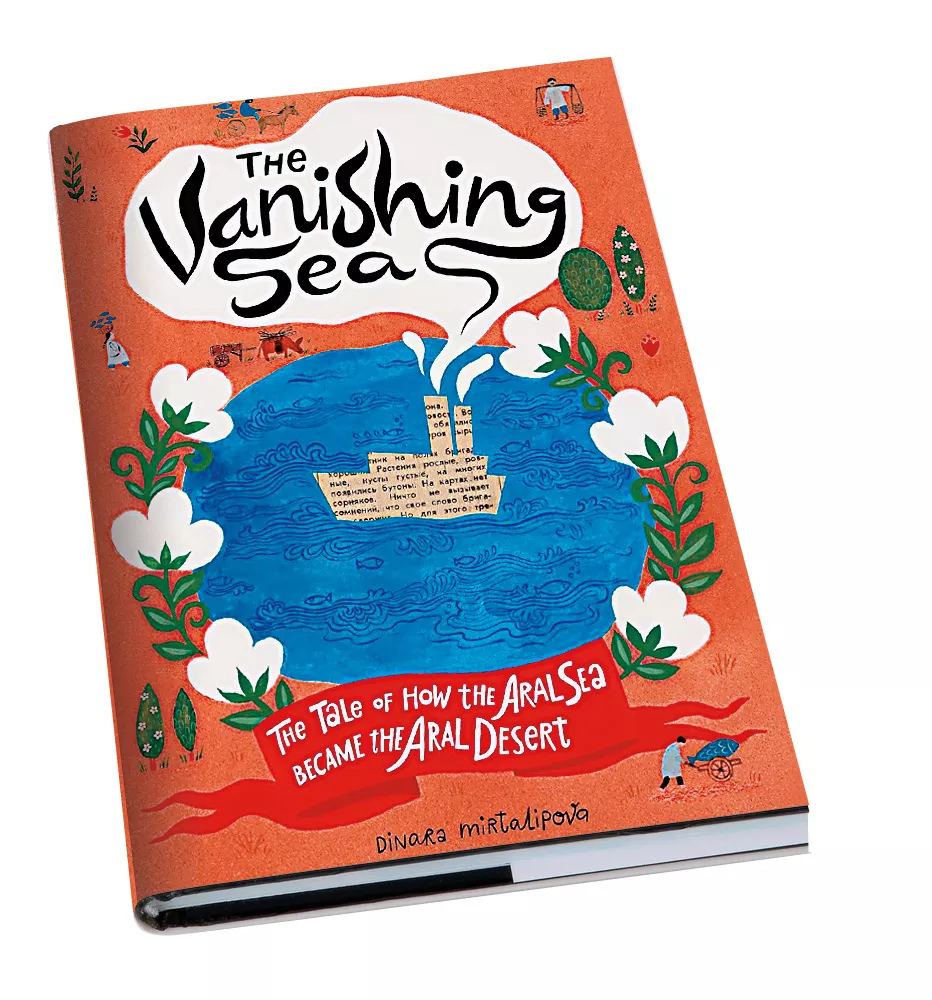
The Vanishing Sea by Artist Dinara Mirtalipova—Our Book Review
How often do we take nature for granted, assuming it will never vanish? In US-based folk illustrator Dinara Mirtalipova’s new children’s book, a sea is the main character: the one that provides livelihood and prosperity, until humans’ poor choices cause its demise.