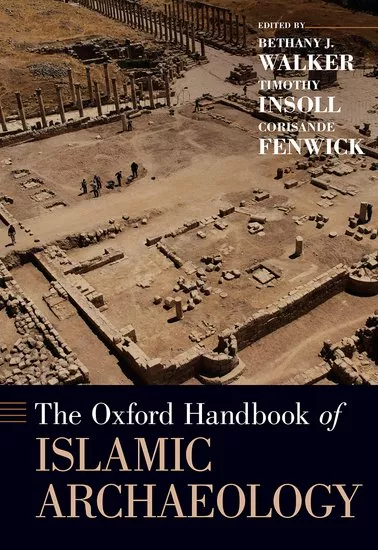
The Oxford Handbook of Islamic Archaeology
Tom Verde
Bethany Walker, Timothy Insoll and Corisande Fenwick, eds.
2020, Oxford University Press, 978-0-19998-787-0, $175 hb.
The wider, historic Islamic world—from West Africa to Southeast Asia—is canvassed in this overview of its archeological past, broken down by individual regions (Arabia and the Gulf, Central Asia, the Sahara, etc.). Chronologically, the chapters, penned by various experts, extend from “medieval to modern,” commencing with the Islamic conquest of the Levant in the seventh century CE and extending up to the 21st century. Rich in history, each chapter discusses major finds and how they inform our understanding of Islam’s impact on such dynamics as architecture, trade, material culture, rural versus urban society and more. In the discussion of Syria’s early Islamic past, we learn that under the Abbasids, mosques began to be “characterized by their large dimension and belong to a Mesopotamian tradition.” An exceptionally informative reference work for the scholar and lay reader alike.
You may also be interested in...
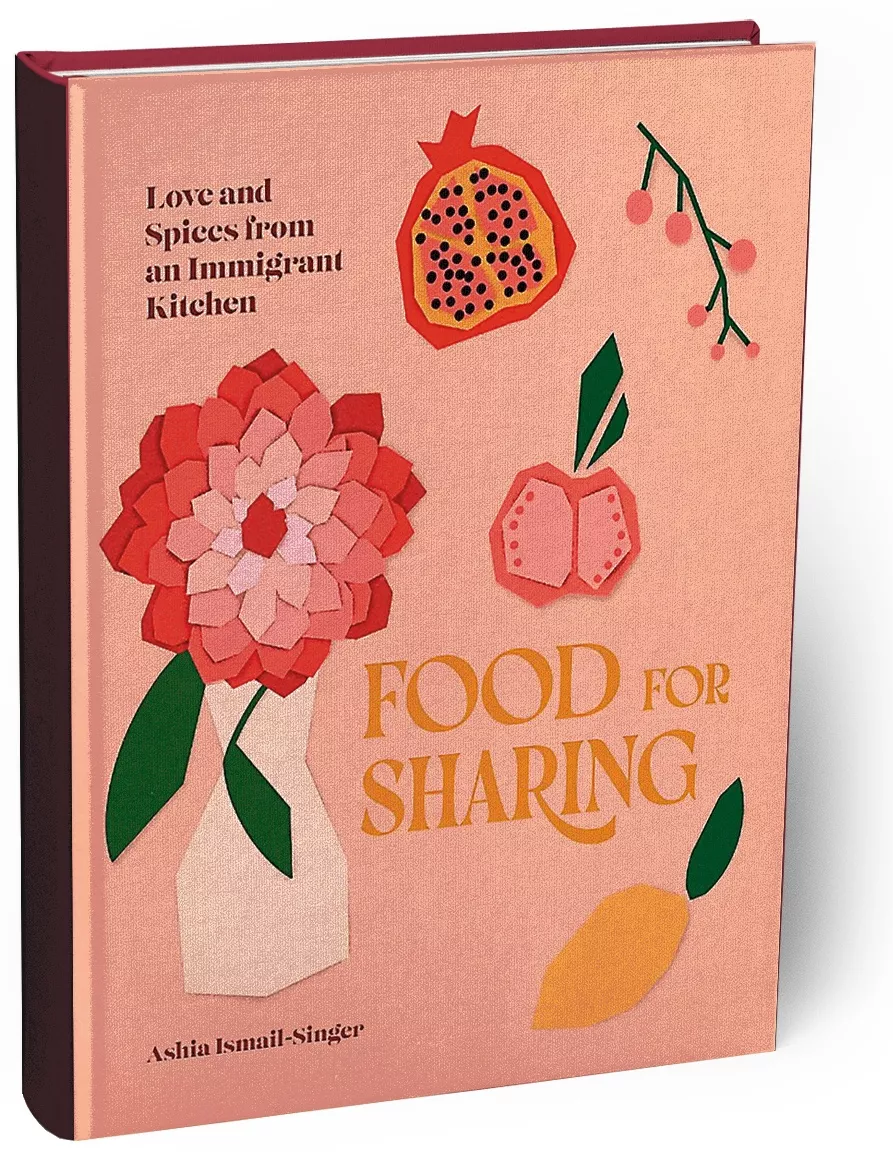
Cookbook Food for Sharing by Ashia Ismail-Singer—Our Book Review
In her third cookbook, Food for Sharing, Ashia Ismail-Singer groups recipes by the social occasions they accompany—presenting food as a means of connecting with cultures around the table.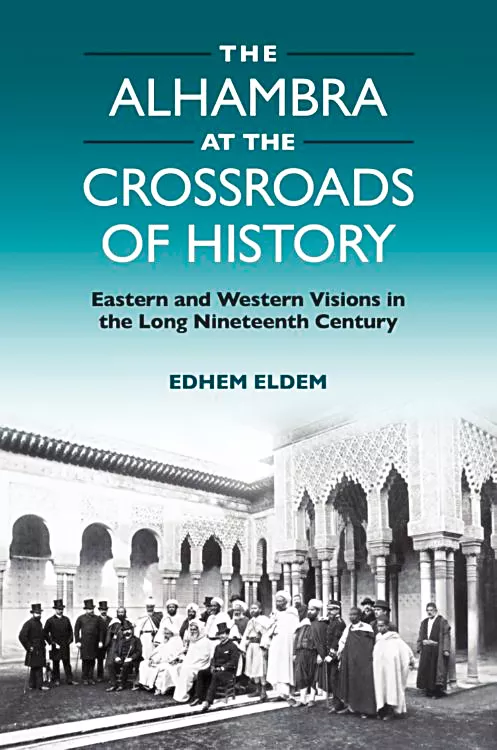
The Alhambra at the Crossroads of History—Our Book Review
The Alhambra at the Crossroads of History shows how the 13th-century Andalusi palace complex in Granada, modern Spain, generates often conflicting meanings at the same time—meanings actively constructed and sometimes misread. Edhem Eldem, an Istanbul-based history professor, traces its role in shaping social and cultural identities across imperial Europe, Arab North Africa and Ottoman Türkiye from the 18th to the early 20th centuries.