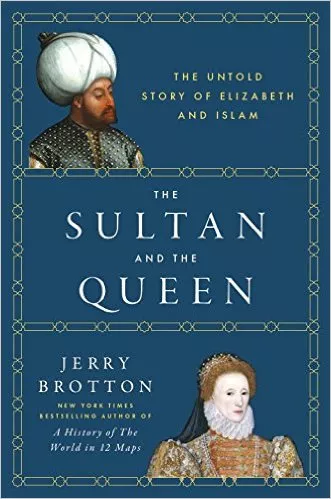
The Sultan and the Queen: The Untold Story of Elizabeth and Islam
Tom Verde
Jerry Brotton
2016, Viking, 978-0-241-00402-9, $28 hb. (Published in the UK as This Orient Isle.)
In 1570, with Catholic Spain and Rome breathing down her Protestant neck, Britain’s Elizabeth I turned to her enemies’ enemies, Morocco and Ottoman Turkey. The treaties and trade agreements she struck with these sultanates infuriated her Continental rivals while enriching Tudor England with “exotic commodities from Islamic lands that included cotton, rhubarb, currants ... and intricate textiles, as well as the Moroccan sugar” that Elizabeth consumed “in such copious quantities” it blackened her teeth, writes historian Jerry Brotton. As “Sultana Isabel” (her Moroccan title) dispatched envoys to major Muslim capitals, “Tudor fascination with the Islamic world” infused domestic English culture with clothing and carpets “after the Turkish fashion” and influenced the works of Marlowe and Shakespeare (e.g. Othello), among others.
You may also be interested in...
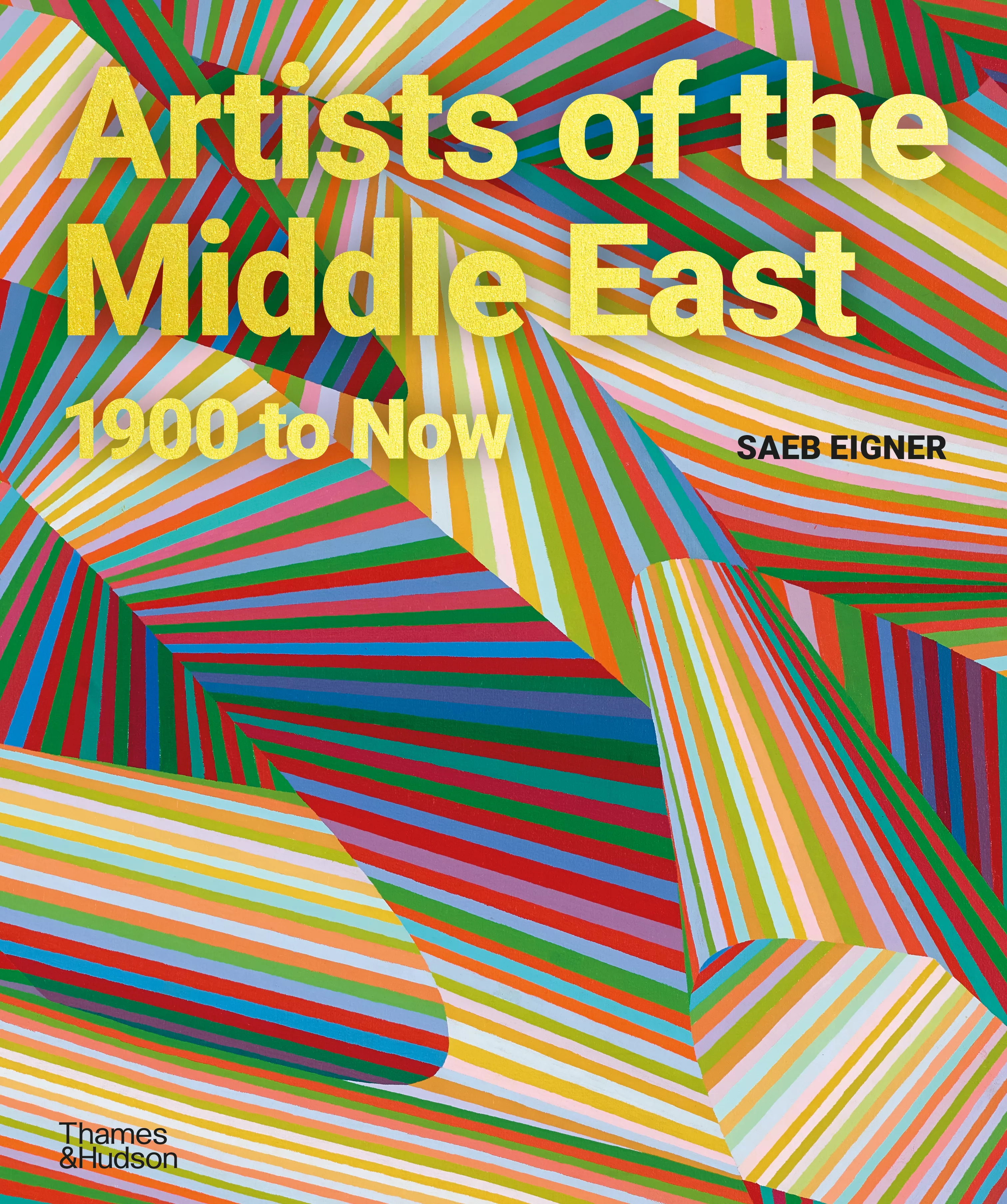
Saeb Eigner Brings Readers Closer to the Artists of the Middle East
Artists of the Middle East emphasizes the breadth of an artistic community that spans nations, styles and mediums while challenging the assumption that these artists are at once the same as each other and different from those in the West.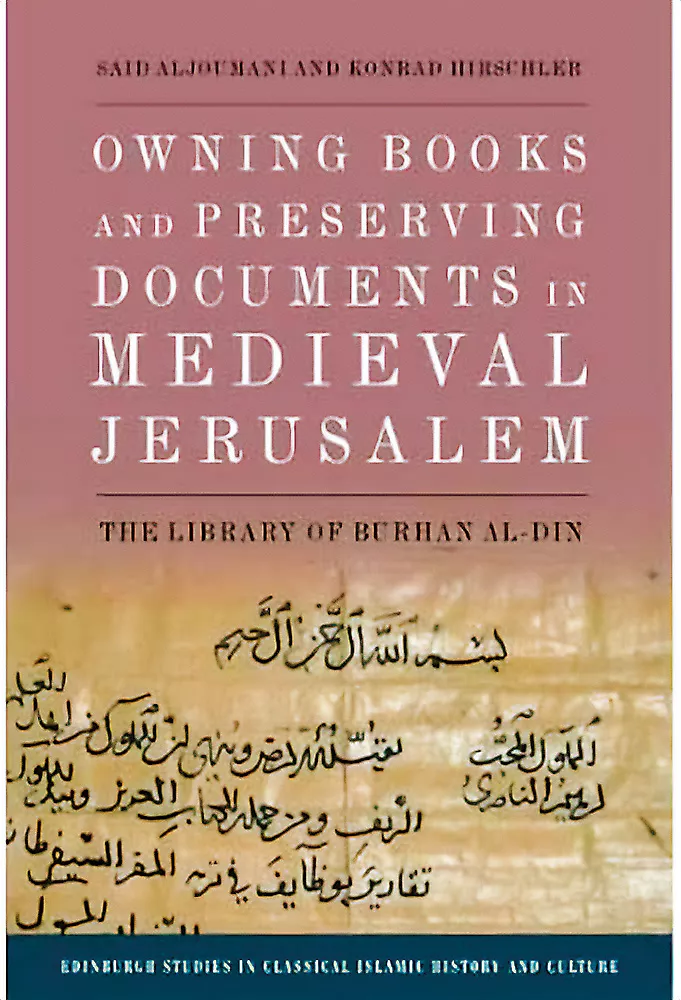
Owning Books and Preserving Documents in Medieval Jerusalem—Book Review
In this painstaking work, Owning Books and Preserving Documents in Medieval Jerusalem, historians Said Aljoumani and Konrad Hirschler explore a culture in which books became woven into the fabric of daily life through the case of Burhān al-Dīn Ibrāhīm al-Nāsīrī.