How Gulf's New Museums Are Championing Cultural Memory and Heritage
The result of decades of planning, new facilities in Saudi Arabia and the rest of the Arabian Gulf reflect the region's cultural renaissance and effort to preserve its heritage.
Imagining what life was like on the Arabian Peninsula during ancient and pre-historic times has long fascinated historians. That curiosity now finds a tangible setting at the Red Sea Museum in Jeddah, Saudi Arabia, which opened its doors in December 2025.
Rather than construct an entirely new building to honor the Red Sea's archeological and maritime heritage, the museum restored and repurposed the historic Bab Al Bunt building in Al-Balad, Jeddah's historic district. Originally built in 1866, the building once served as Jeddah's crucial port of entry for Hajj pilgrims, traders and travelers arriving by sea before becoming the Red Sea Museum, a significant cultural anchor for the UNESCO World Heritage Site of Al-Balad.
"This museum is the revival of an architectural jewel in the heart of Jeddah," says Eman Zidan, director of the Red Sea Museum. She describes the restored building as inseparable from the history of the Red Sea itself, noting that the museum's mission extends beyond display to public engagement-raising awareness of biodiversity, archeology and cultural heritage as part of the Kingdom's broader efforts to enhance quality of life. The Red Sea Museum forms part of a wider movement unfolding across the Gulf, where newly established museums are emerging as key sites for cultural safeguarding, research and education. In Saudi Arabia and elsewhere, these institutions reflect long-term investments in heritage that aim to safeguard archeological and historical knowledge, and also deepen public understanding of the region's past.
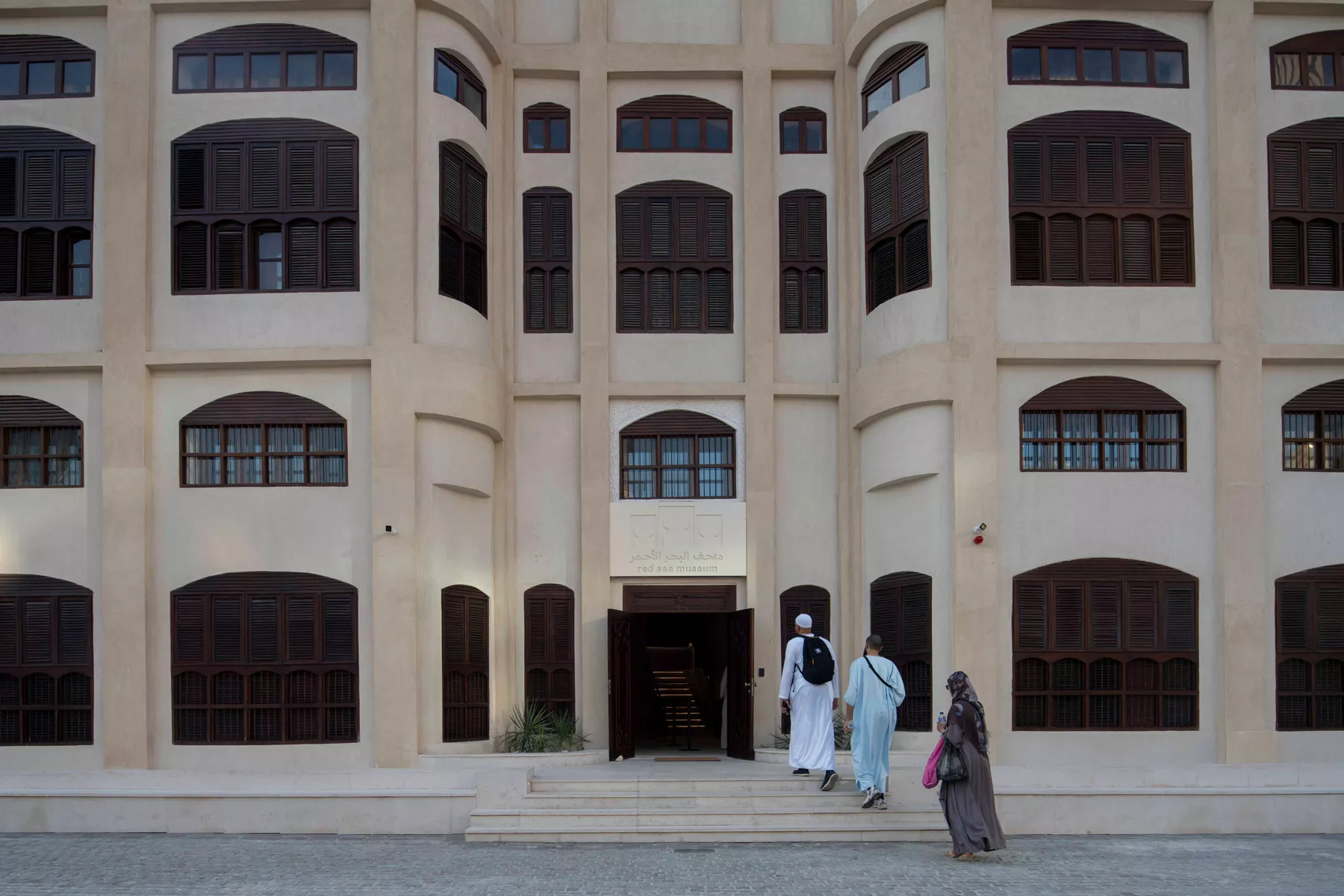
The Red Sea Museum in Jeddah, Saudi Arabia, opened its doors in December 2025 to visitors interested in the Red Sea's archeological and maritime heritage.
Zidan explains that the new museum offers "a platform for scientific research and cultural preservation." Among its highlights are artifacts such as the 18th-century Umluj shipwreck, which "offers evidence of maritime exchanges that happened between Asia, China and the Arabian Peninsula during the early ages ."
Deepening public understanding of the region's history remains central to the institution's mission, stresses Zidan. "It's only the beginning," she says, pointing to upcoming initiatives, including an exhibition on sunken treasures of the Red Sea that highlights the work of the Saudi Heritage Commission and Ministry of Culture. In April 2026, the institution will also host the Red Sea International Conference for the first time in Jeddah.
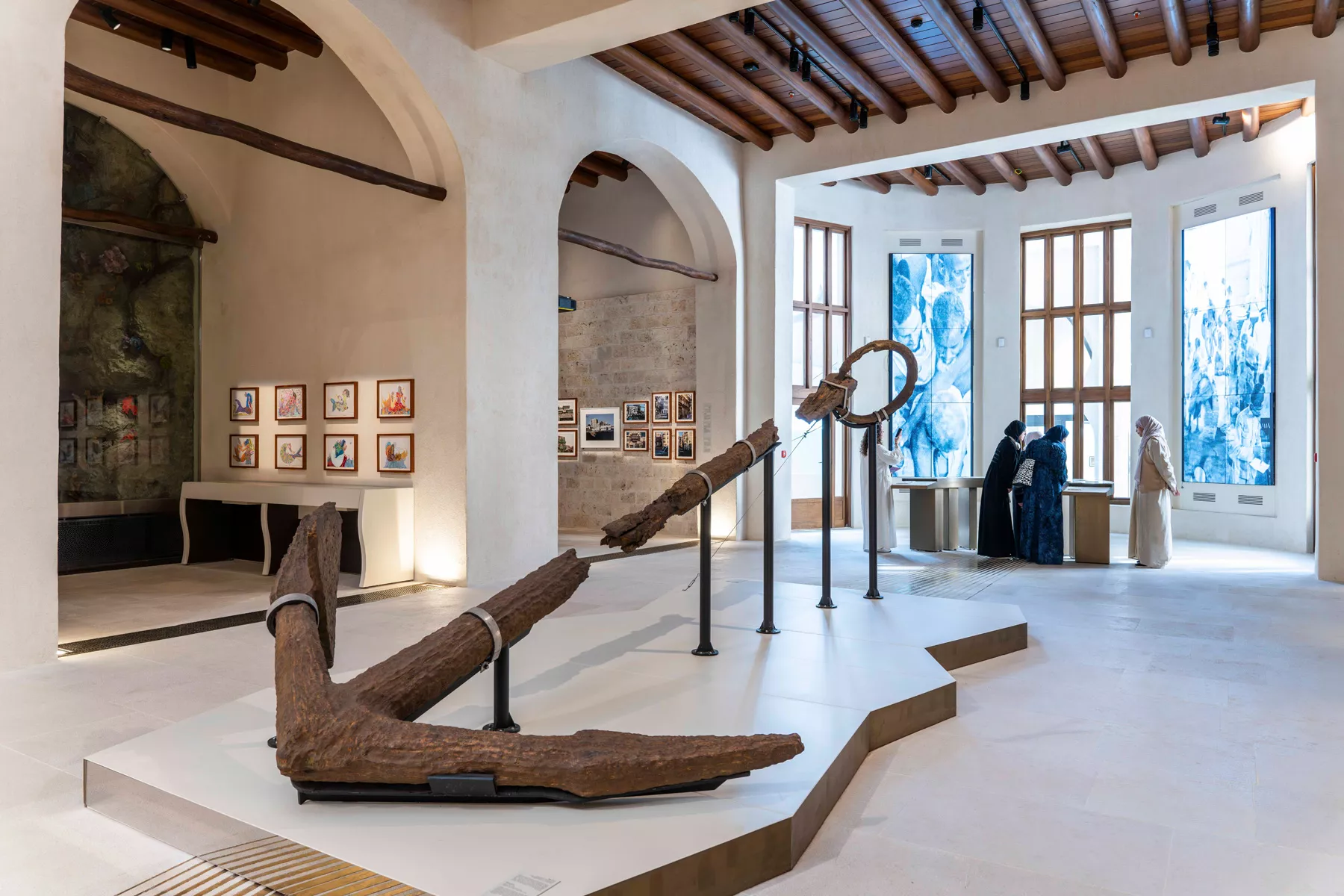
An anchor might represent the Red Sea Museum where it is displayed: a cultural anchor for the UNESCO World Heritage Site of Al-Balad.
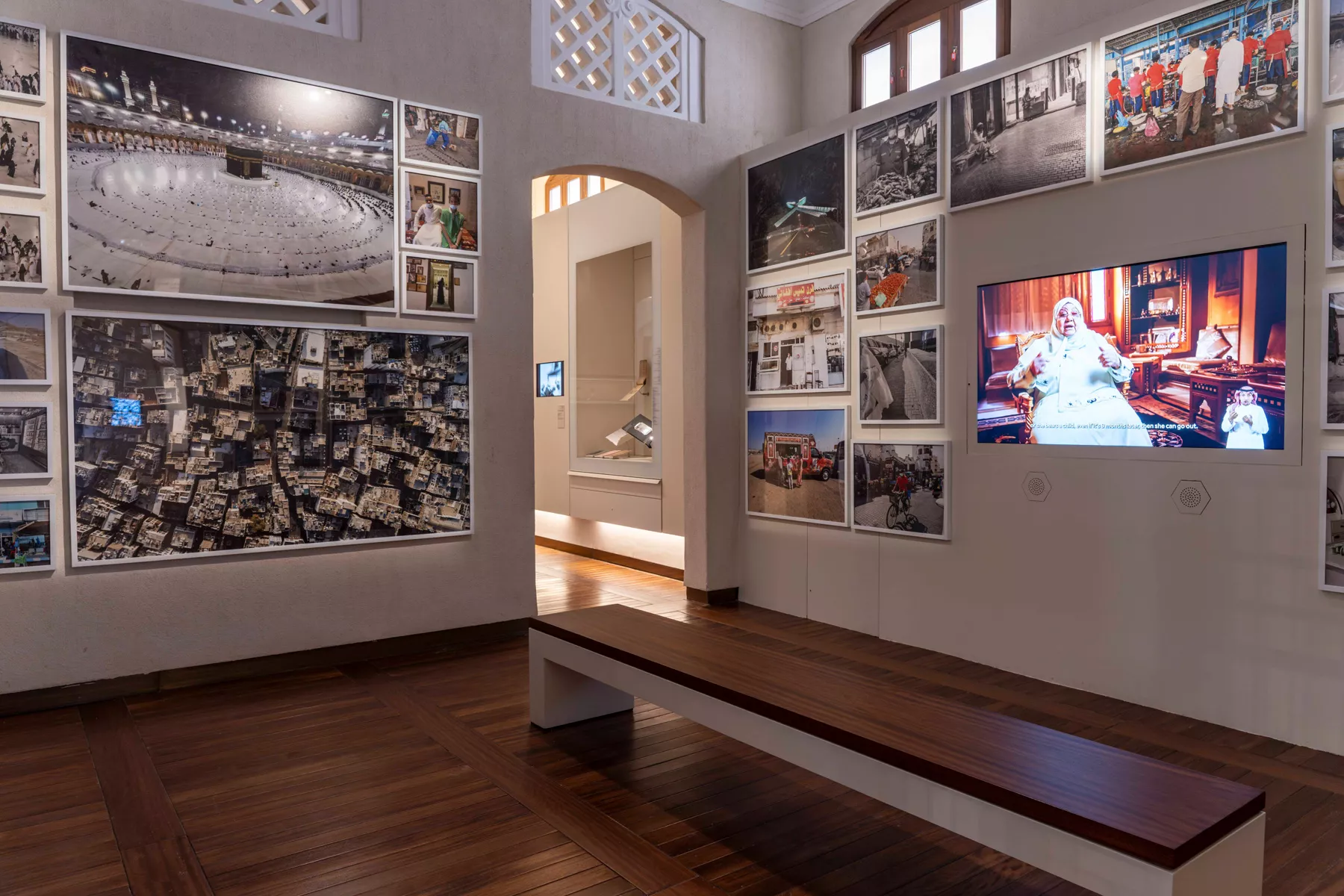
The restoring of the museum structure, led by French architect François Chatillon, with Rowad Modern Engineering and Egis Group and under the guidance of the Saudi Ministry of Culture, preserves the building's striking Hijazi architecture, featuring elements like whitewashed coral stone and intricate mashrabiya lattice screens, known as rawasheens, historically used for privacy and ventilation. Walking through the building's structure still evokes the sense of being next to the sea. Indeed, at one point, the Bab Al Bunt building was directly on the seafront-a fact observed through numerous photographs.
Inside the building, 23 galleries present some 1,000 artifacts and artworks that trace the region's history, from archeological finds and marine-life displays to ancient navigation tools, Chinese porcelain recovered from shipwrecks, Hajj memorabilia, Islamic coins, manuscripts, maps and contemporary art inspired by the Red Sea.
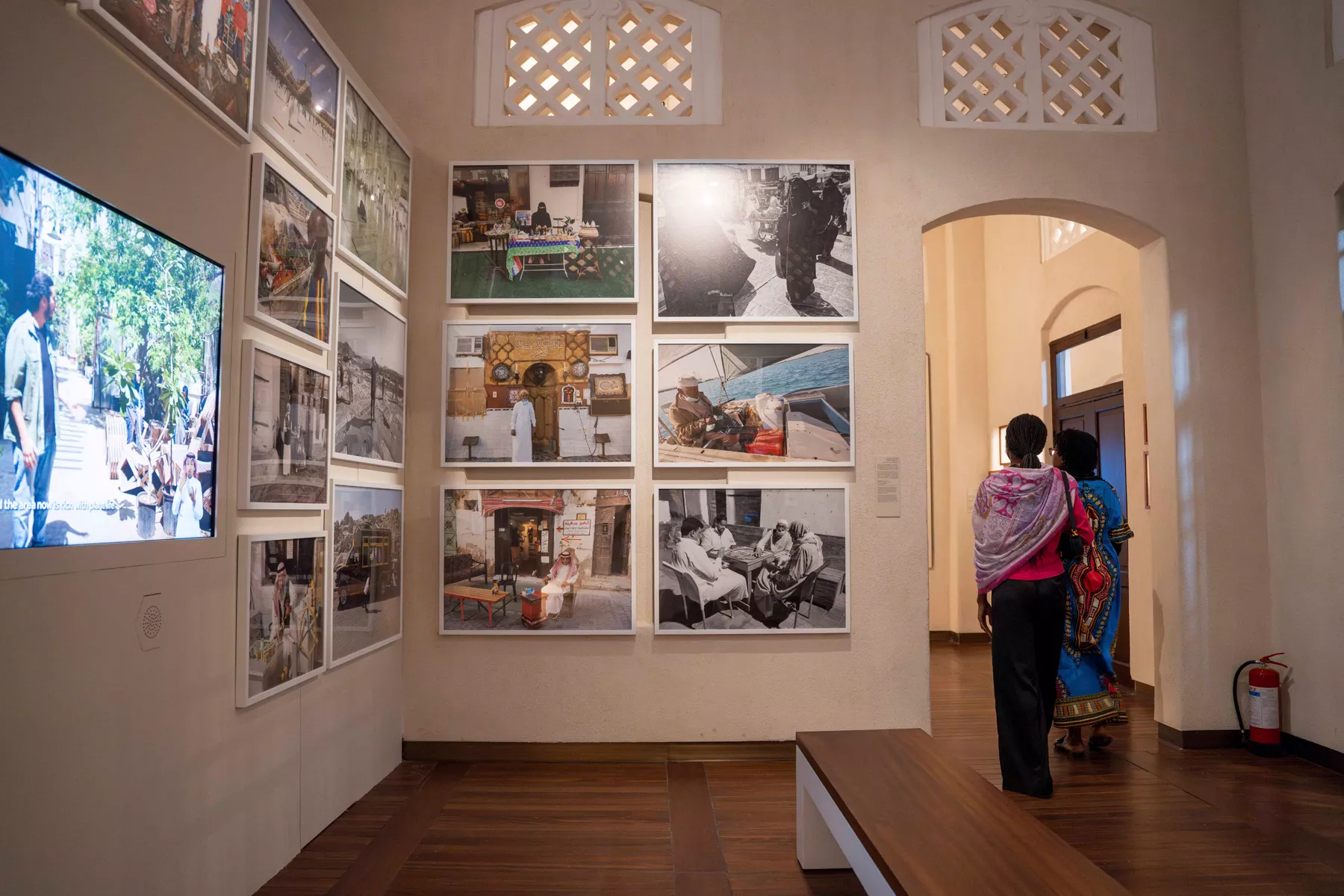
Faisal Samra's "People in Context (Jeddah and Mecca)" is a salon-style installation of 43 photographs and a short film at the Red Sea Museum.
The institution's inaugural temporary exhibition, titled "Gate of Gates," presents photographs by Saudi artist and curator Moath Alofi that capture different aspects of Bab Al Bunt in 2020, before it was fully restored. Alofi's photographs intricately and powerfully forge a link between the building's past uses and glimmering present restoration.
"When I document a building like the Bab Al Bunt," Alofi says, "I feel the photograph creates resources for later-for whoever wishes to research or even just to revisit a period of nostalgia."
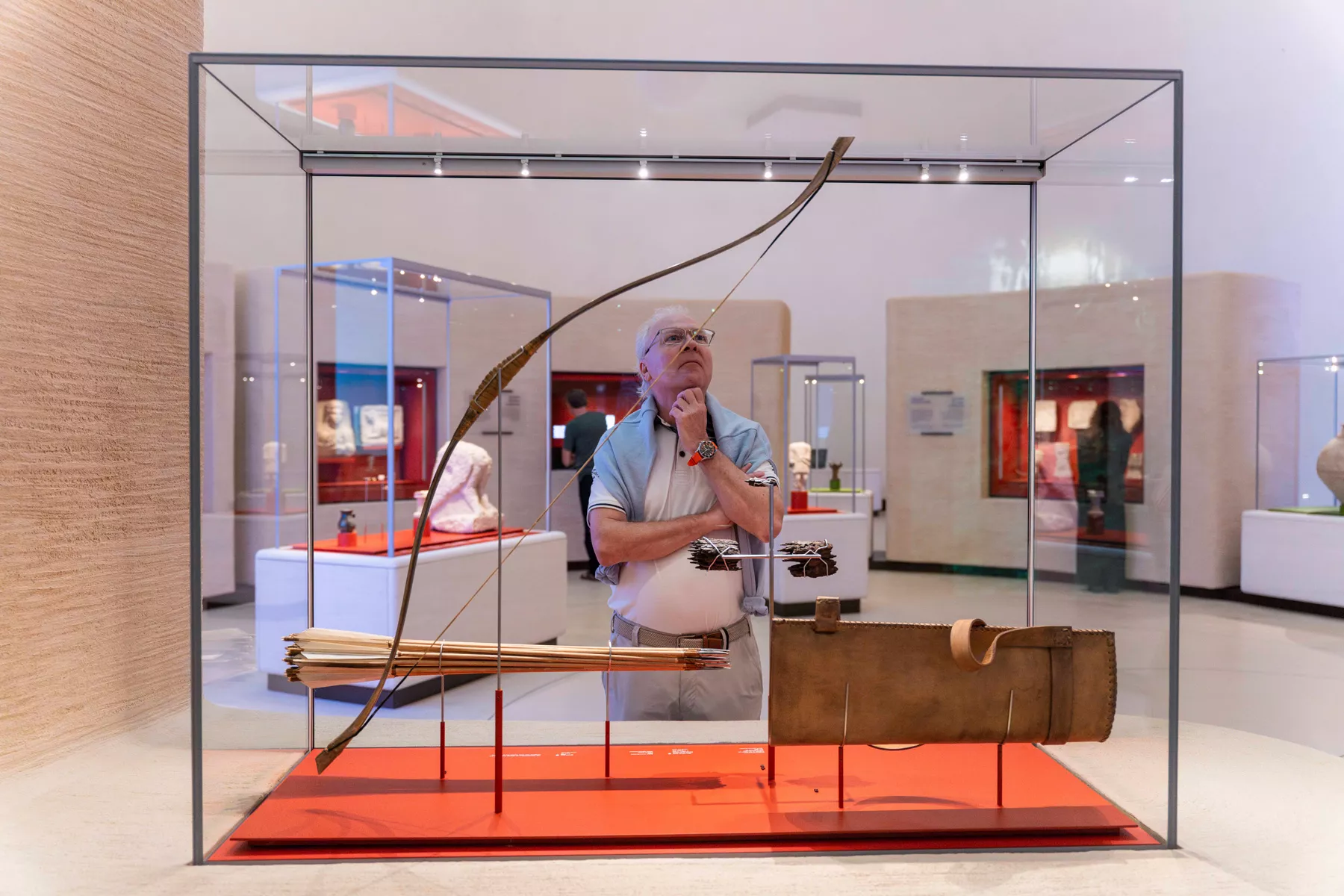
The recently opened Zayed National Museum in Abu Dhabi, United Arab Emirates, exhibits archeological finds excavated in the UAE alongside loaned Mesopotamian and Gulf artifacts.
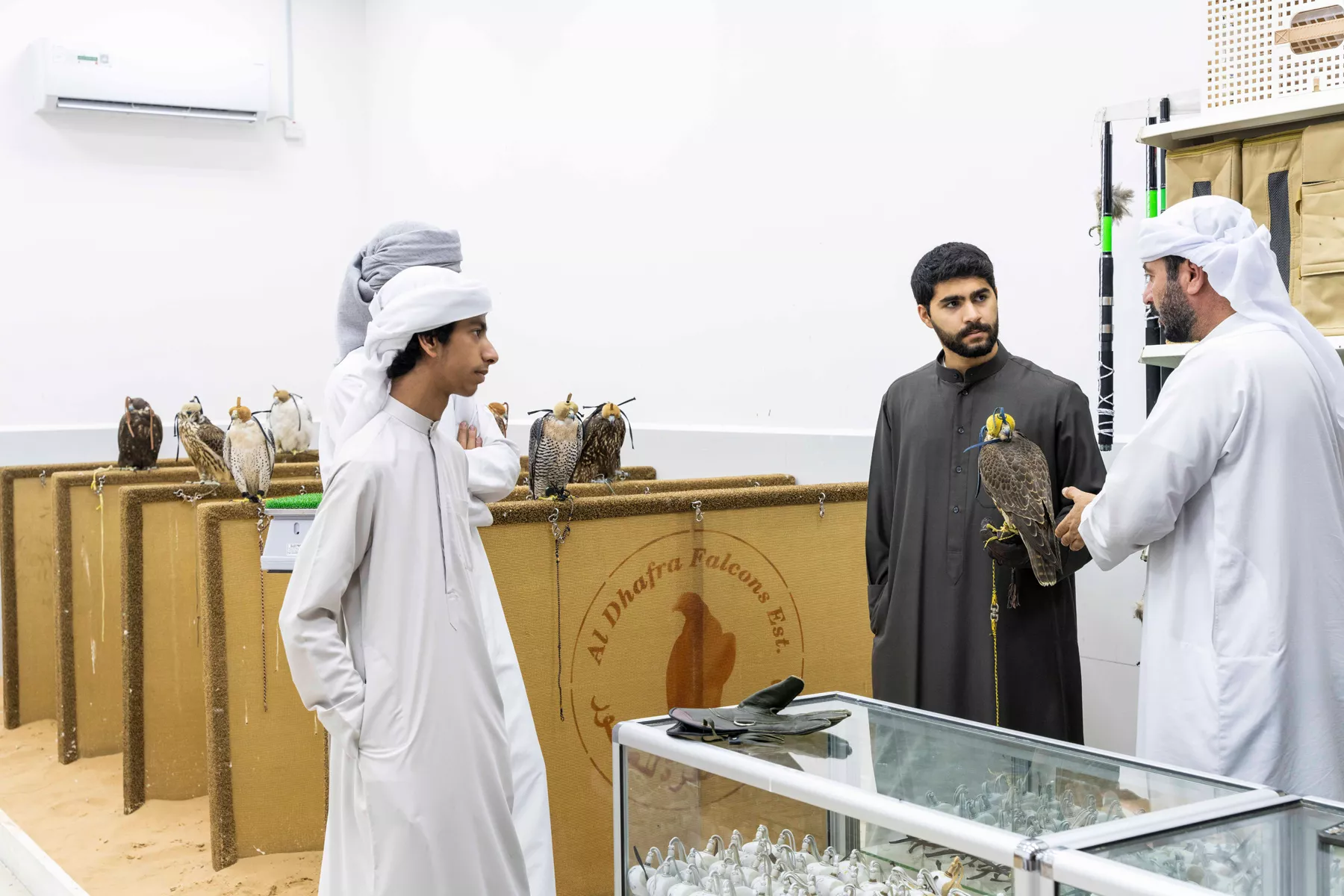
A visitor and a shop manager at the Falcons Shopping Center in Abu Dhabi, United Arab Emirates, negotiate a price for a falcon, a symbol of heritage and strength in the region.
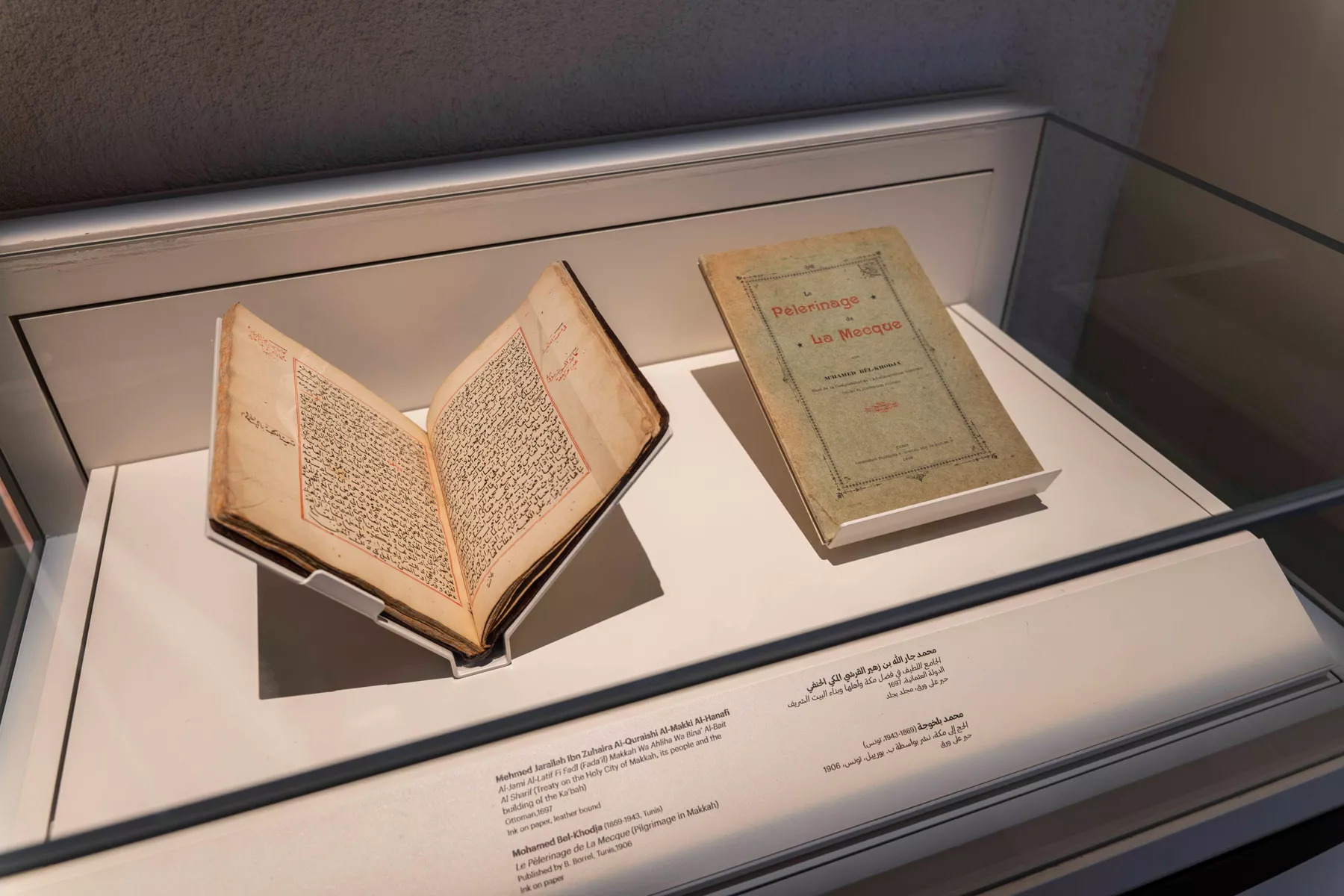
The Red Sea Museum displays texts about the Hajj.
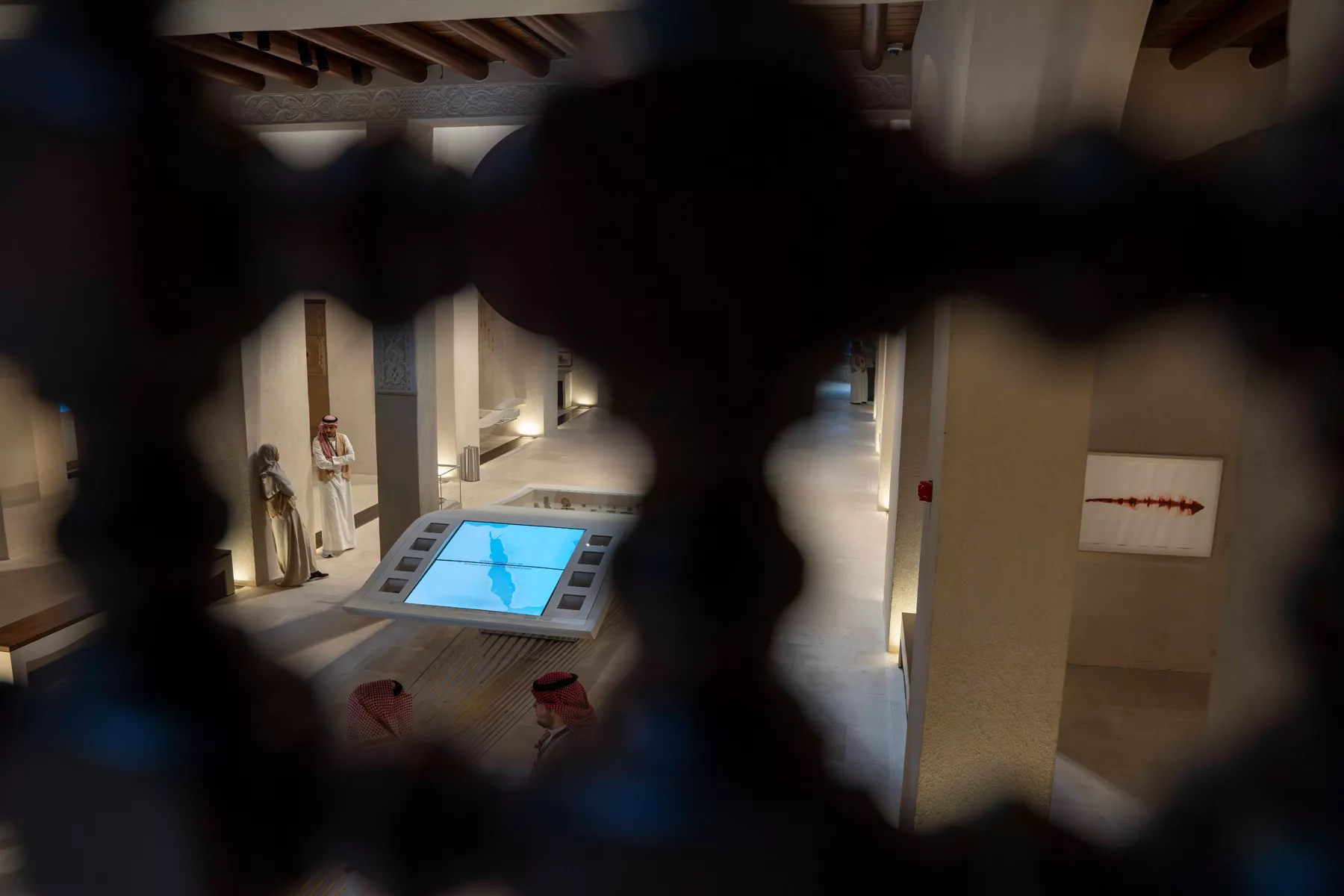
A view through a roshan, a wooden screen common in Jeddah's Al-Balad district, reveals a gallery at the Red Sea Museum.
Heritage Boom Across the Gulf
Alongside the rapid rise of the region's museums has been a significant increase in cultural heritage programs. In 2014 academics Gerd Nonneman from Georgetown University in Qatar and Marc Valeri from Exeter University in the UK coined the term "heritage boom" to reflect the surge in cultural heritage development in the Gulf Arab states, driven by nation-building, tourism, sociocultural shifts and largely economic diversification goals.
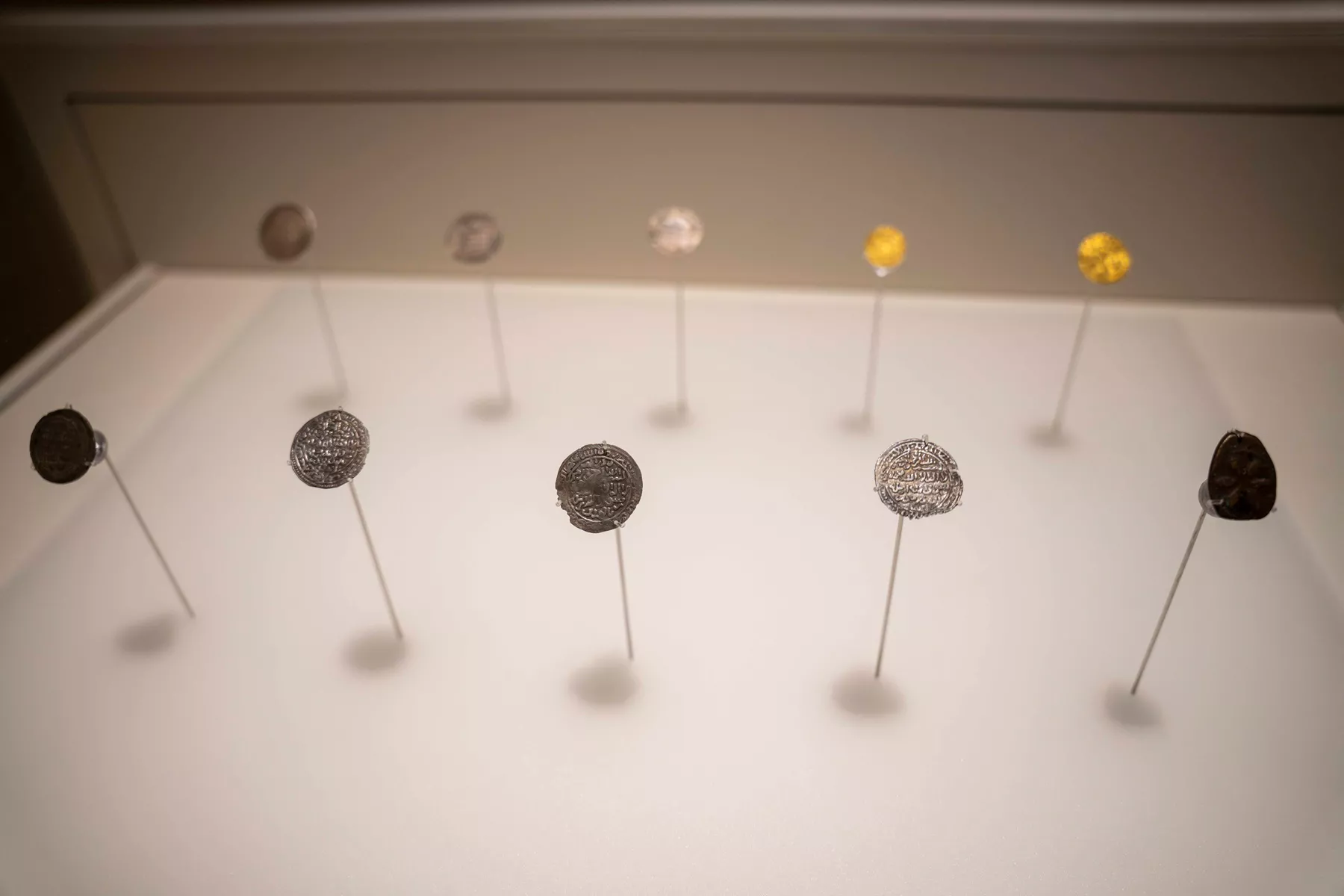
The Red Sea Museum features a collection of currency: Islamic dirhams and dinars from the Umayyad to Mamluk periods.
"It's the beginning," adds Saad Alrashid, a Saudi archeologist and historian, emphasizing the increasing focus and interest in elevating heritage in the Kingdom, especially through the introduction of archeological and heritage studies in curricula across Saudi Arabia. "The archeological discoveries in Saudi Arabia complement the archeological discoveries in the rest of Arabia-in Yemen, Oman, Bahrain, Kuwait and the United Arab Emirates. This is Arabia. As an archeologist and a historian, I look at the link between human movements around Arabia and beyond. When we see a success in the Emirates, it is also a success for us."
The Red Sea Museum is one of several cultural institutions and museums in the Arab Gulf states that have opened in recent years. These include the National Museum of Qatar in Doha, Qatar; the Sheikh Abdullah Al Salem Cultural Centre in Kuwait City, Kuwait; the Oman Across Ages Museum in Manah, Oman; the Louvre Abu Dhabi, United Arab Emirates; teamLab Phenomena Abu Dhabi; and the Natural History Museum Abu Dhabi, which showcases 13.8 billion years of natural history in the region. This wave of openings does not yet include Saudi Arabia's Black Gold Museum in Riyadh or the Incense Road Museum in AlUla, which are in the works.
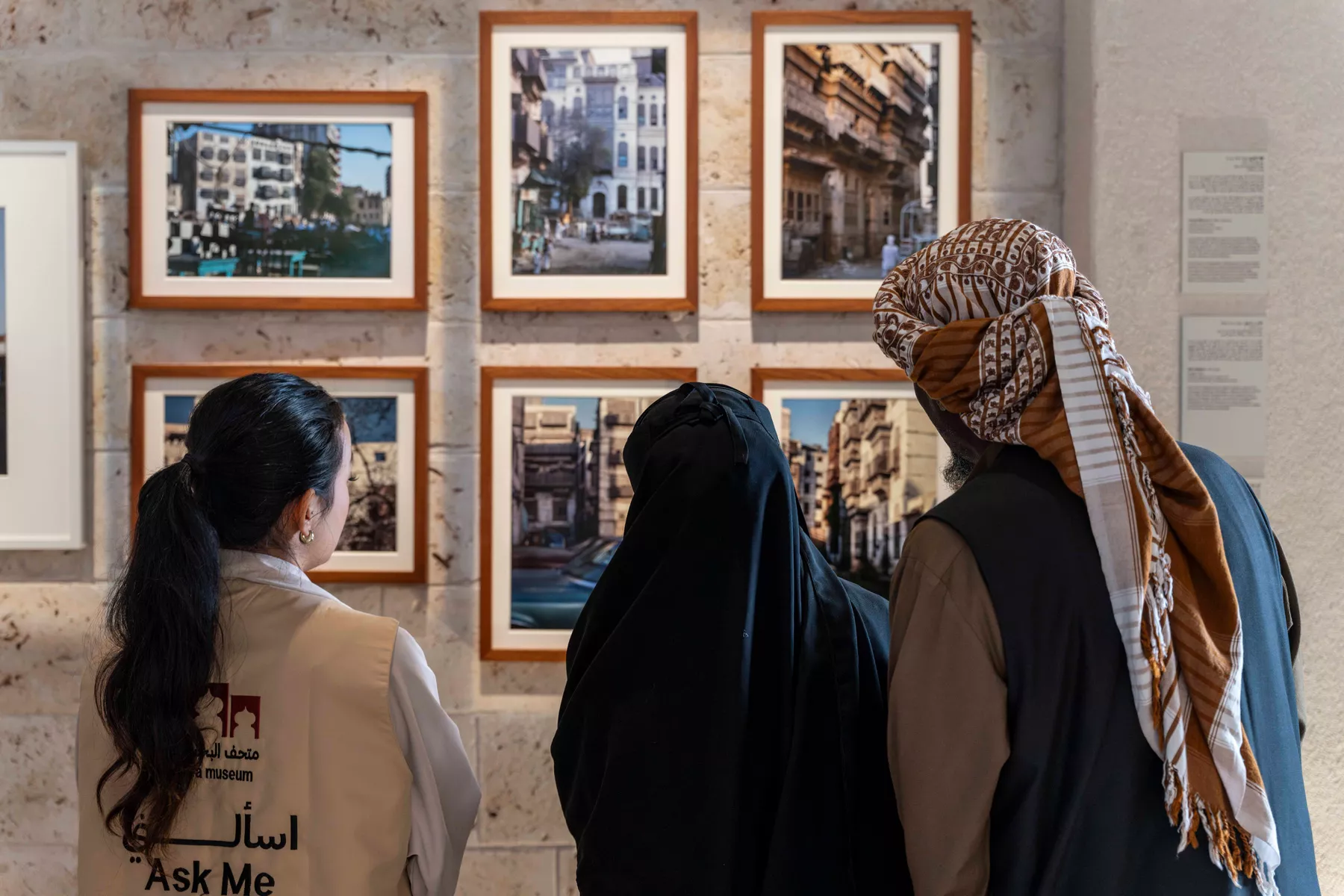
A Red Sea Museum guide explains photos to visitors.
"I think it becomes desirable to want to invest in the heritage of a nation by highlighting proud moments of its past, especially for future generations to remember its legacies," says William Zimmerle, senior lecturer on heritage and archeology in the Arts and Humanities Division at NYU Abu Dhabi.
Most recently in Abu Dhabi, the Zayed National Museum opened in December 2025. Dedicated to the late UAE founder Sheikh Zayed bin Sultan Al Nahyan, the museum traces the story of the nation from antiquity to the present.
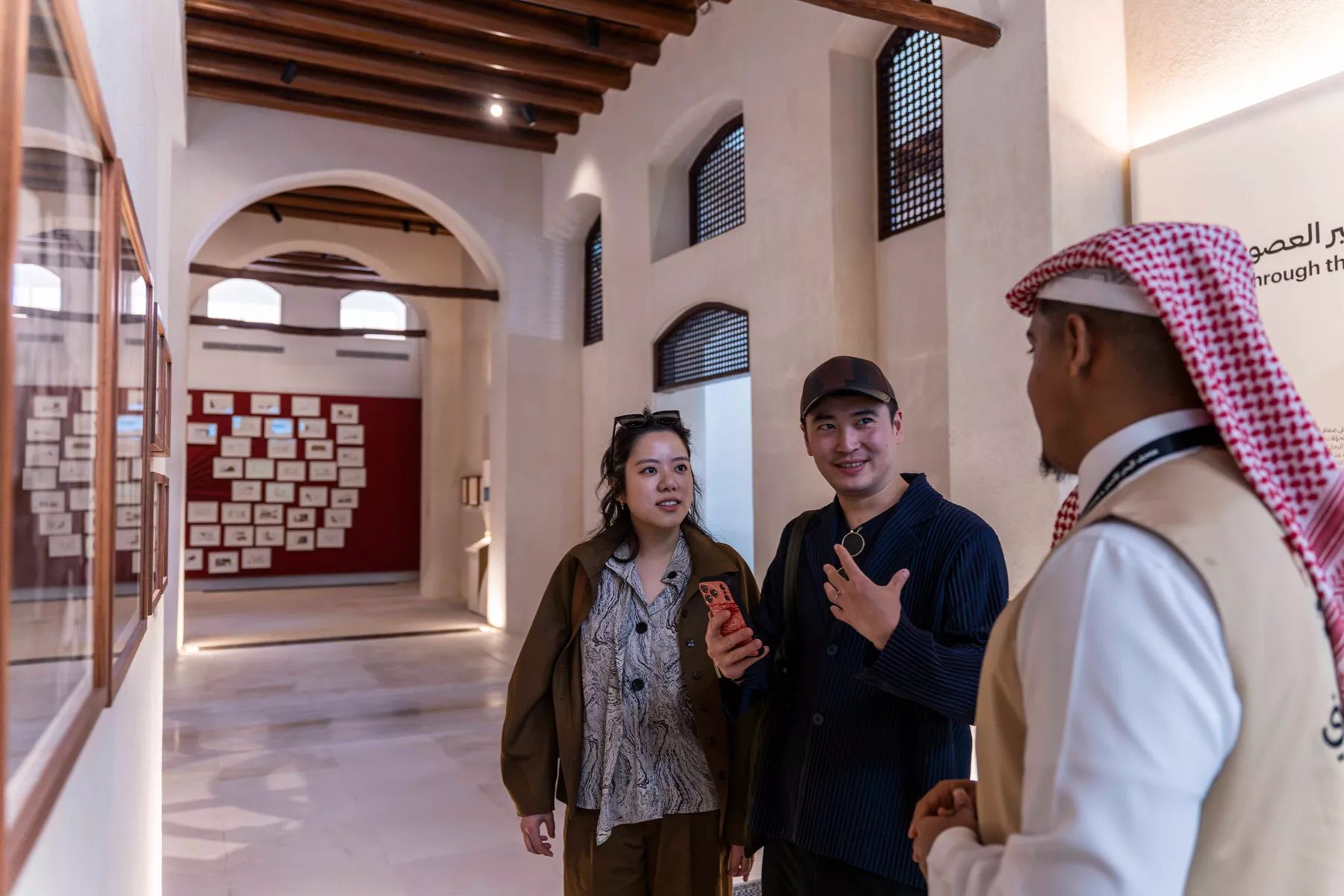
Tourists take in the displays at the Red Sea Museum.
Upon entering, visitors encounter the Magan Boat, a full-scale 18-meter (59.1-foot), 4,000-year-old Bronze Age trading vessel built using traditional methods and materials such as date palm rope, reeds and bitumen. It was re-created through research drawing on ancient texts and archeological evidence-reflecting the UAE's maritime history and ancient trade networks.
Its reconstruction, like the new museum that houses it, signals a new era for championing cultural stewardship and heritage in the Gulf Arab states.
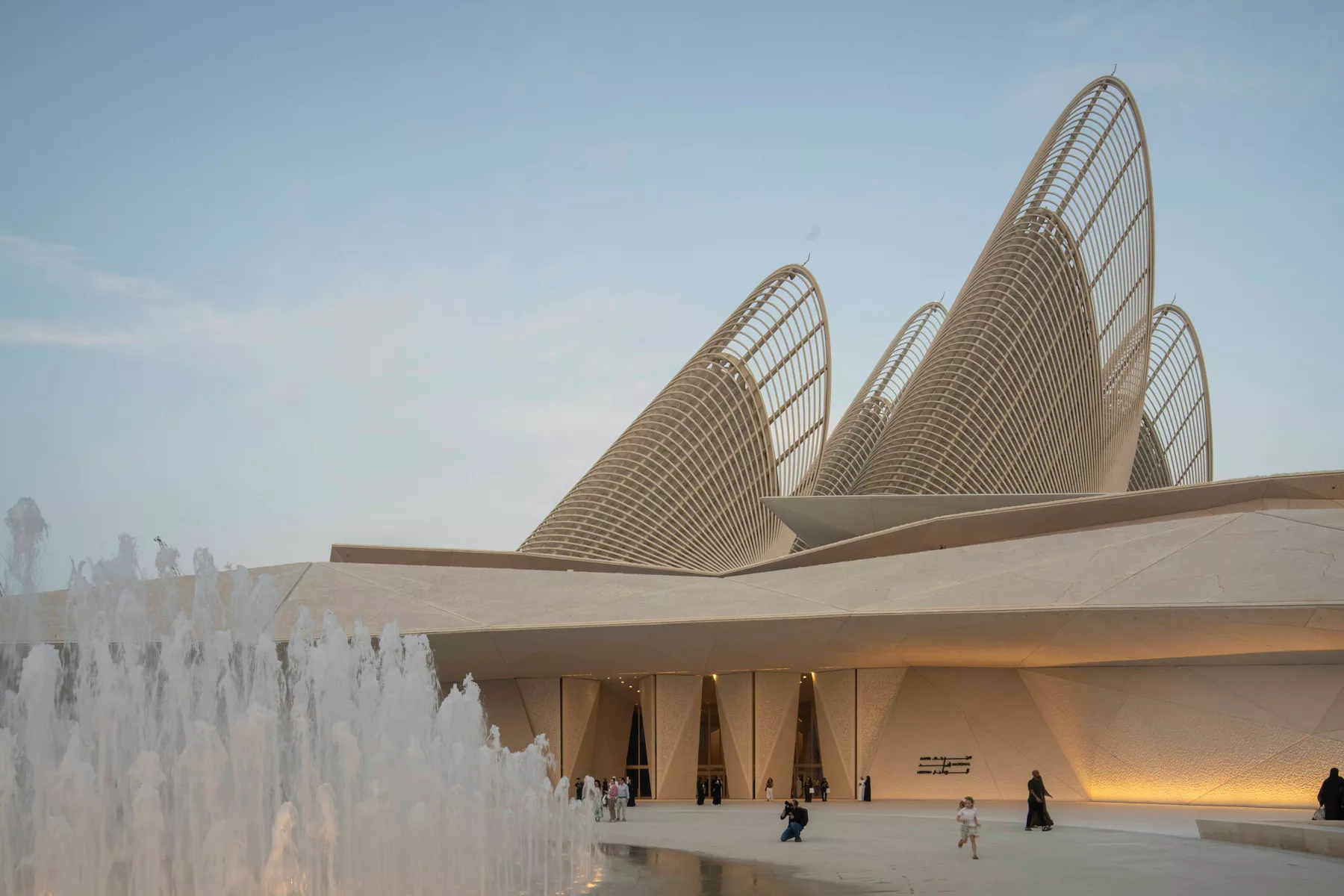
The Zayed National Museum features five falcon-wing-shaped towers that point upward as symbols of strength, vision and resilience.
Designed by British architect Norman Foster of Foster + Partners, the museum features five falcon-wing-shaped towers that point upward as symbols of strength, vision and resilience-values that people across the Middle East associate with the falcon, the national emblem of the Emirates.
Cultural Institutions Establishing New Narratives
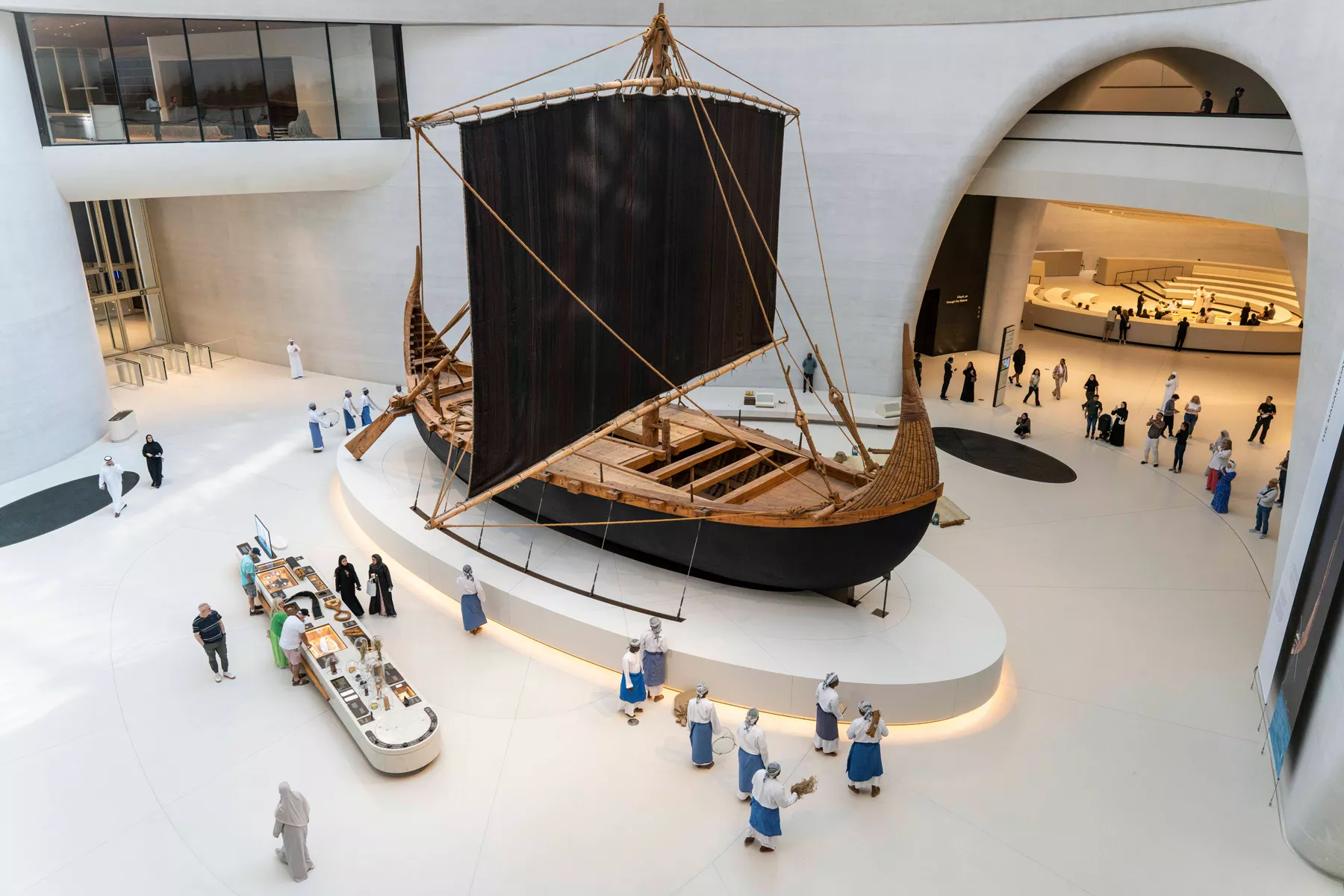
A traditional Gulf sailors' dance is performed near the re-created Bronze Age sailboat at the Zayed National Museum.
"There have always been interesting stories to tell about this region, but they haven't always been told in the right way," says Omar Salem Al Kaabi, the director of the Al Ain Museum "What is happening now [across the Gulf] is a gathering of stories to tell in the way they deserve to be told."
The oldest museum in the UAE, the Al Ain Museum, reopened in October 2025. Founded in 1969 by the late Sheikh Zayed and opening in November 1971 to coincide with the formation of the UAE, it features in-depth displays of ancient desert settlements, early Bedouin life and Bronze Age artifacts from the Umm an-Nar and Hili periods (2,500-2,000 BCE). Education and the preservation of knowledge remain crucial to the Al Ain Museum, emphasizes Al Kaabi. "We have facilities for storage, different labs for conservation, treatment of objects and a dedicated research center to enhance knowledge and the understanding the region's history," he says. "By doing this, we are preserving the heritage and archeology of the region."
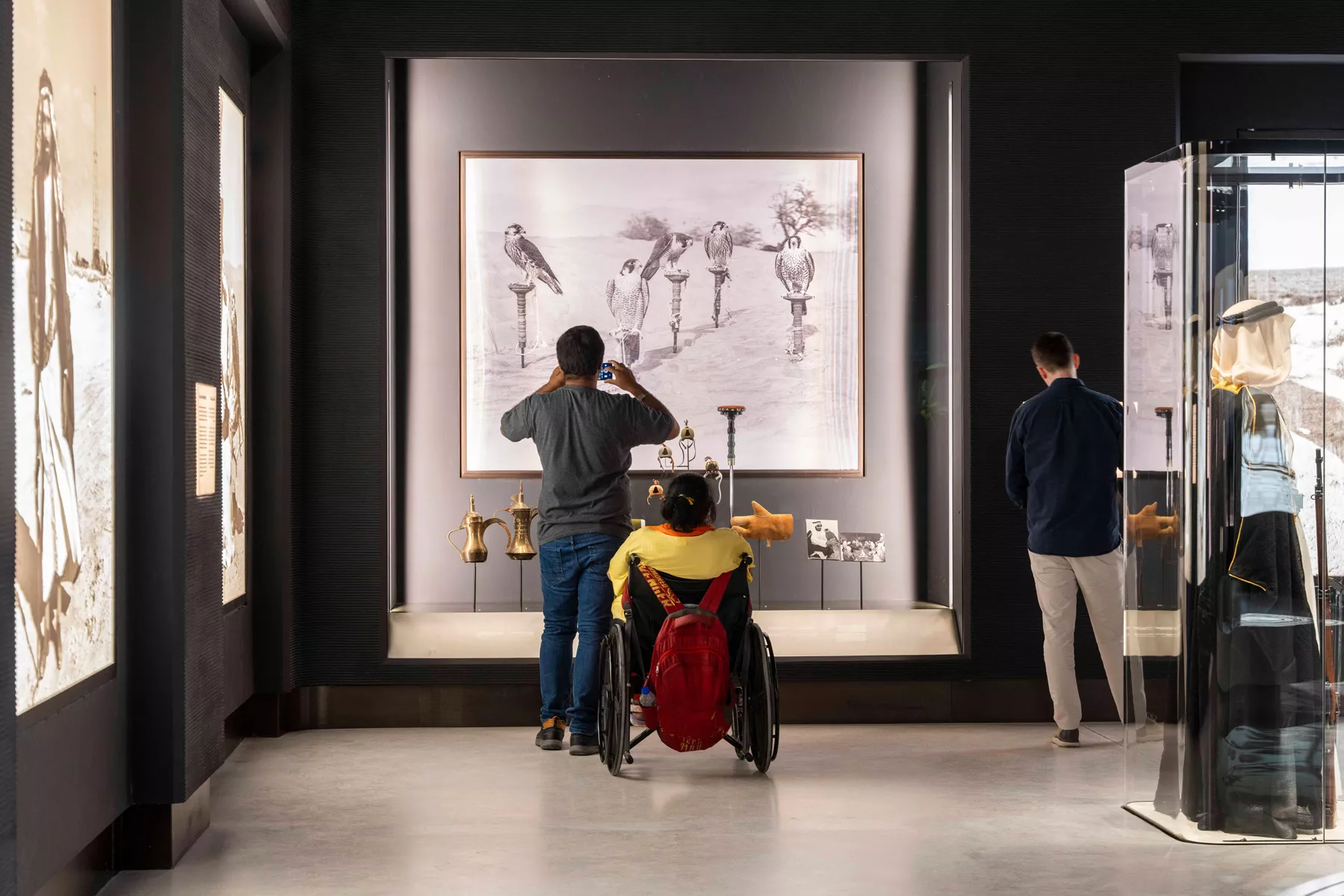
A gallery highlights falconry at the Zayed National Museum.
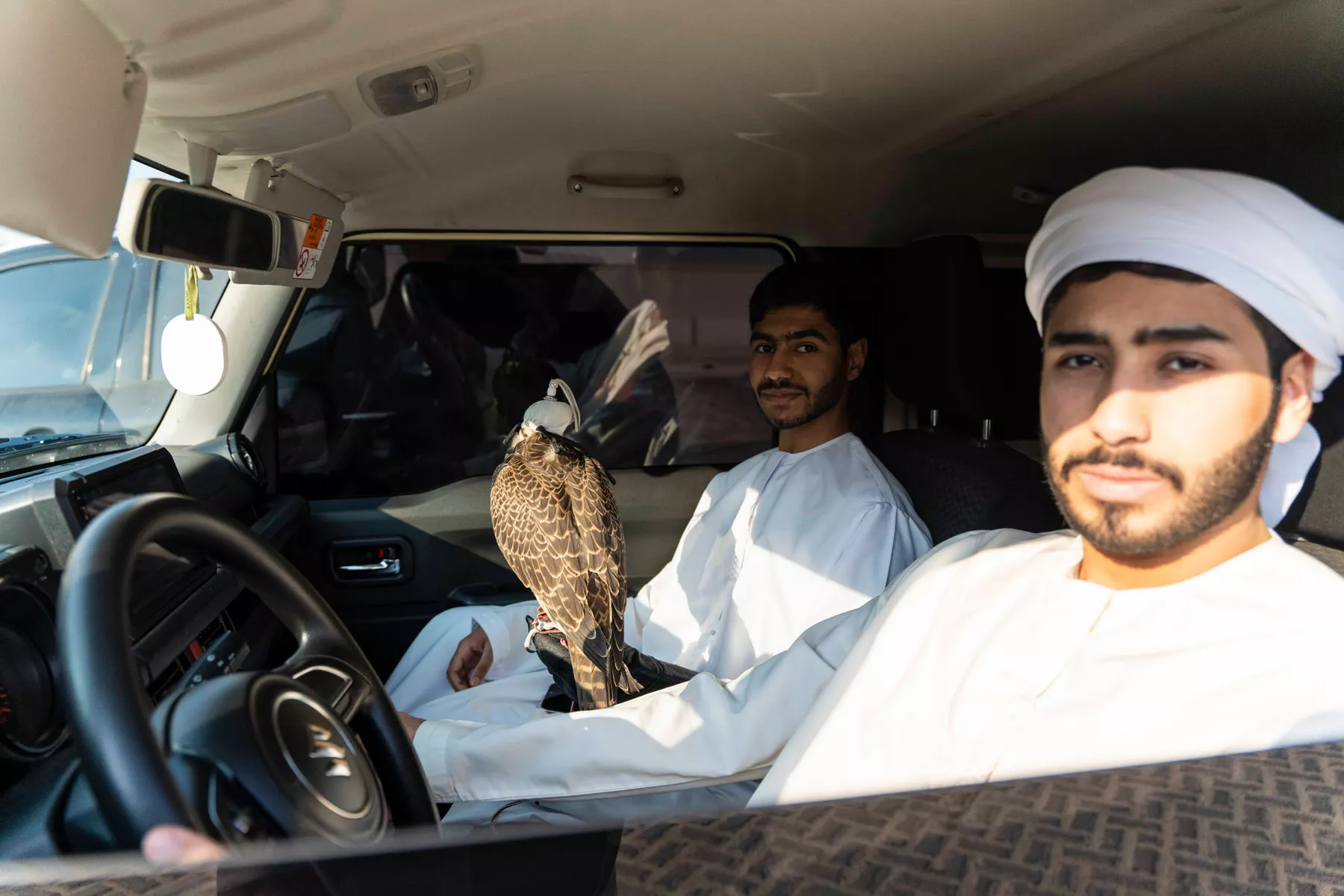
Two falcon owners enjoy their purchase the Falcons Shopping Center in Abu Dhabi, UAE.
While preserving the region's culture and heritage is paramount, Gulf historians and archeologists stress the importance of using museums to tell new and more accurate stories about the region-stories that many argue are essential for a deeper understanding of Gulf history and identity, both regionally and globally.
"Museums are like the new 'cathedrals' of the world," Zimmerle says, "in that they promote awareness of heritage, archeology in an architecturally impressive building that points to the majesty of a nation."
About the Author
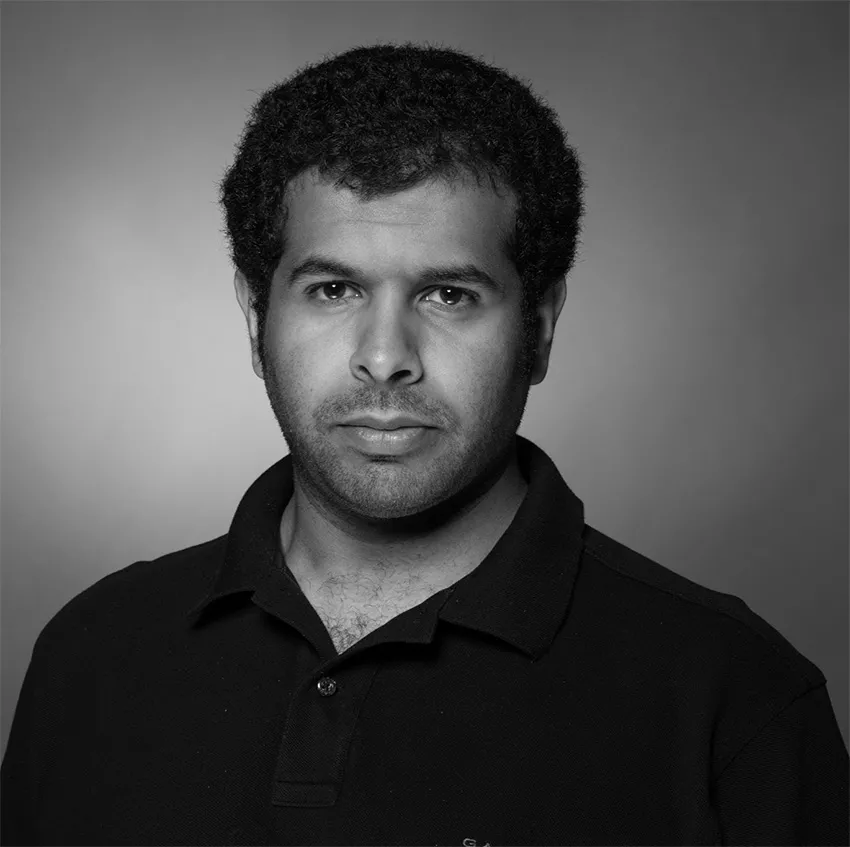
Bader Awwad AlBalawi
Bader Awwad AlBalawi is a photographer, writer and filmmaker based in Khobar, Saudi Arabia. His work explores travel, street life and cultural transitions.
Rebecca Anne Proctor
Rebecca Anne Proctor is an independent journalist, editor and broadcaster based between Dubai and Rome. She is a former editor-in-chief of Harper’s Bazaar Art and Harper’s Bazaar Interiors.