Spotlight on Photography: Morocco's M'Hammed Kilito on Beekeeping
I have photographed several oases in Morocco in my work as a photographer and National Geographic Explorer residing in Rabat, and capturing images of women has always been challenging. It was only in the Skoura Oasis that I was able to do so, and I had the privilege of meeting some incredibly strong women.
I stayed with beekeeper Hayat Erragna and her son for two weeks at her inn, during which it became clear how much of an impact she has on other women in the community. By teaching them sustainable beekeeping practices, she helps foster an environment where the Saharan yellow bee (Apis mellifera sahariensis) can thrive. This approach ensures the continuation of essential pollination in the desert ecosystem, benefiting both plants and animals—including the bees themselves.
Erragna looks after about 10 hives. Like the other women, she works for herself. All have been trained by Association Albisher, which works with village women and youth to maintain a self-sufficient family farming system focused on beekeeping.
—M'HAMMED KILITO
Instagram: @m’hammed_kilito
You may also be interested in...
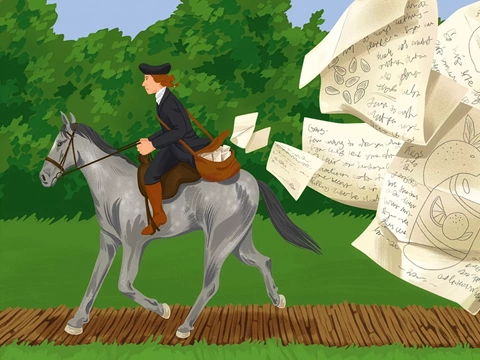
America at 250: The Eastern Foods the Nation Has Always Loved
Food
History
As the United States marks the 250th anniversary of its independence from Great Britain on July 4, the foods that filled the tables of the Founding Fathers—the late-18th-century statesmen who were most influential in the new country’s creation—are a reminder that elite households relied on ingredients carried through trade routes connecting the Mediterranean, Africa, Asia and regions now known as the Middle East.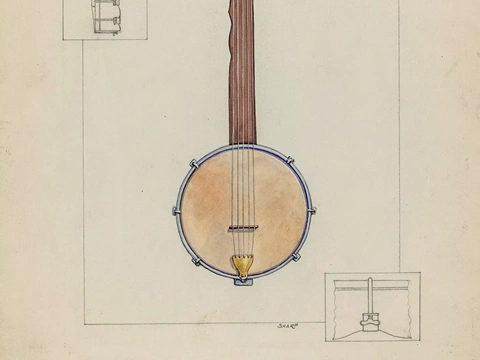
Banjo on the Atlas: An Instrument’s Journey Across Continents
Arts
How did an instrument with West African ancestors, entwined with Americana music, appear in the lineup of a North African orchestra? Two parallel narratives hold the answer.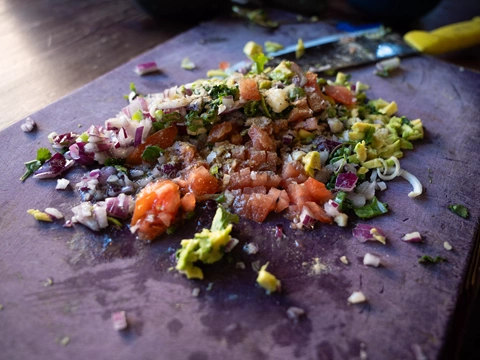
A Generous Bowl of Guacamole With Love From a Turkish Chef
Food
Surely, Yavuz Ozborme’s fine-tuning of the avocado dip in a quest for continuous improvement is a metaphor for adjusting to life since he and his brother came to London and opened Buffalo Grill in Greenwich.