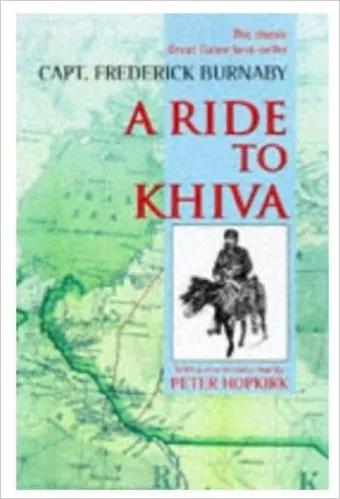
A Ride To Khiva: Travels and Adventures in Central Asia
Charles Sweeney
Frederick Burnaby
Orig. pub.: 1877. 1970, Ayer, 0-4050-3010-X, $23.95 hb; 1997, Oxford U.P., 0-19-280367-0, $4.98 pb
Captain Frederick Gustavus Burnaby of the Royal Horse Guards was larger than life. At 193 centimeters (6'4") and more than 90 kilos (200 lbs), he was one of the strongest men in Europe. He had studied in Germany and spoke seven languages, including Russian, Turkish and Arabic. At his own expense, he took a long leave to travel across Europe to St. Petersburg; from there he set out for the Khanate of Khiva on the Aral Sea (part of modern-day Uzbekistan), which Russia had annexed just two years before. It was the worst winter in memory; the Russians were rumored to have banned foreigners from the area; and if his own government had known of his extended reconnaissance across a thousand miles of frozen steppes and deserts, it likely would have forbidden his journey. Burnaby was completely comfortable in his imperialism and his Protestant faith, but he was no bigot. In this thrilling memoir, written to inform British public opinion of Russia’s ambitions in the areas bordering India, his observations are clear-eyed and prescient; the humanity of the Russians, Kazakhs, Kirghiz and Bukharis comes through at every turn. His story, one of the early moves in the Great Game, is still fascinating today.
You may also be interested in...
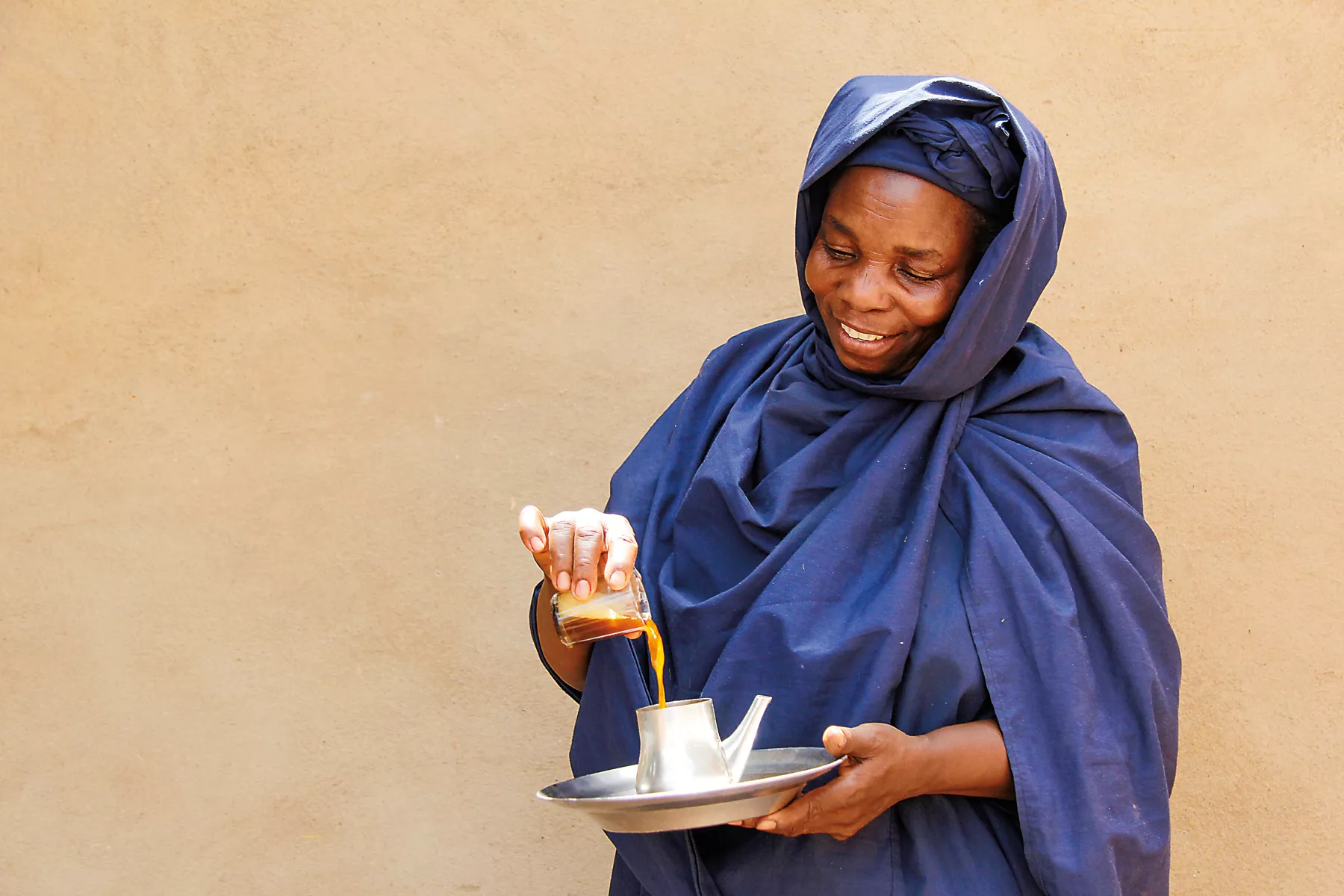
A History of Mali’s National Drink Traces Green Tea—Book Review
By tracing ritual instead of commerce, anthropologist Ute Röschenthaler shows that the story of tea in West Africa involves multidirectional routes and local agency.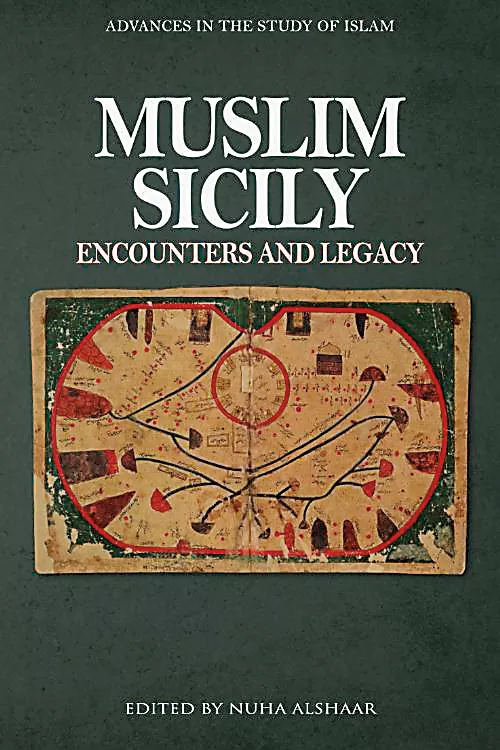
Nuha Alshaar’s Essay Compilation Muslim Sicily—Our Book Review
What emerges from this volume by Nuha Alshaar, a professor of Arabic literature and Islamic studies, is a rounded picture of Sicily as a site of cultural exchange that shaped the medieval Mediterranean.