.webp?cx=0.5&cy=0.5)
A Voyage to Arabia Felix (1708–1710)
Robert W. Lebling
Jean de la Roque
2003, Oleander Press, 0-906672-50-3, £45 hb
This unusual reprint sheds light on a little-known corner of history: 18th-century France’s maritime trade with Arabia, specifically the beginning years of the Yemen coffee trade. In those days, Yemen was the world’s only commercial cultivator of the coffee plant, and most exports of the precious bean were shipped to the Levant and Europe through Turkish and Egyptian merchants. Coffee had first been introduced to France only four decades earlier by a visiting emissary from the Ottoman sultan. Levantine businessmen then opened a few coffee shops in Paris, and before long, the beverage became a national vogue, though coffee beans were sometimes hard to find and very expensive. The two merchant ships that set sail from the Breton port of St. Malo in 1708 were France’s first bid to bypass the coffee middlemen of the Mediterranean to ensure regular supplies and significantly lower costs. De la Roque’s account of this first commercial voyage around Africa to the Yemeni ports of Aden, Mocha and Bait al-Faqih, translated into English in 1732, is attractively reproduced in facsimile—the first new edition of this work in 260 years. The volume also includes four other related works, including de la Roque’s fascinating treatises on coffee cultivation, customs and history. Also featured is M. Cloupet’s New Travels in Arabia Felix (1788), offering some perspective on the coffee trade from near the end of the century. Archeologist and Arabia specialist Carl Phillips provides helpful introductions to the texts as well as two solid bibliographies.
You may also be interested in...

A Scholarly Look at Football in the Middle East—Our Book Review
This collection, edited by Abdullah Al-Arian, explores the early history and growing influence of football throughout the region.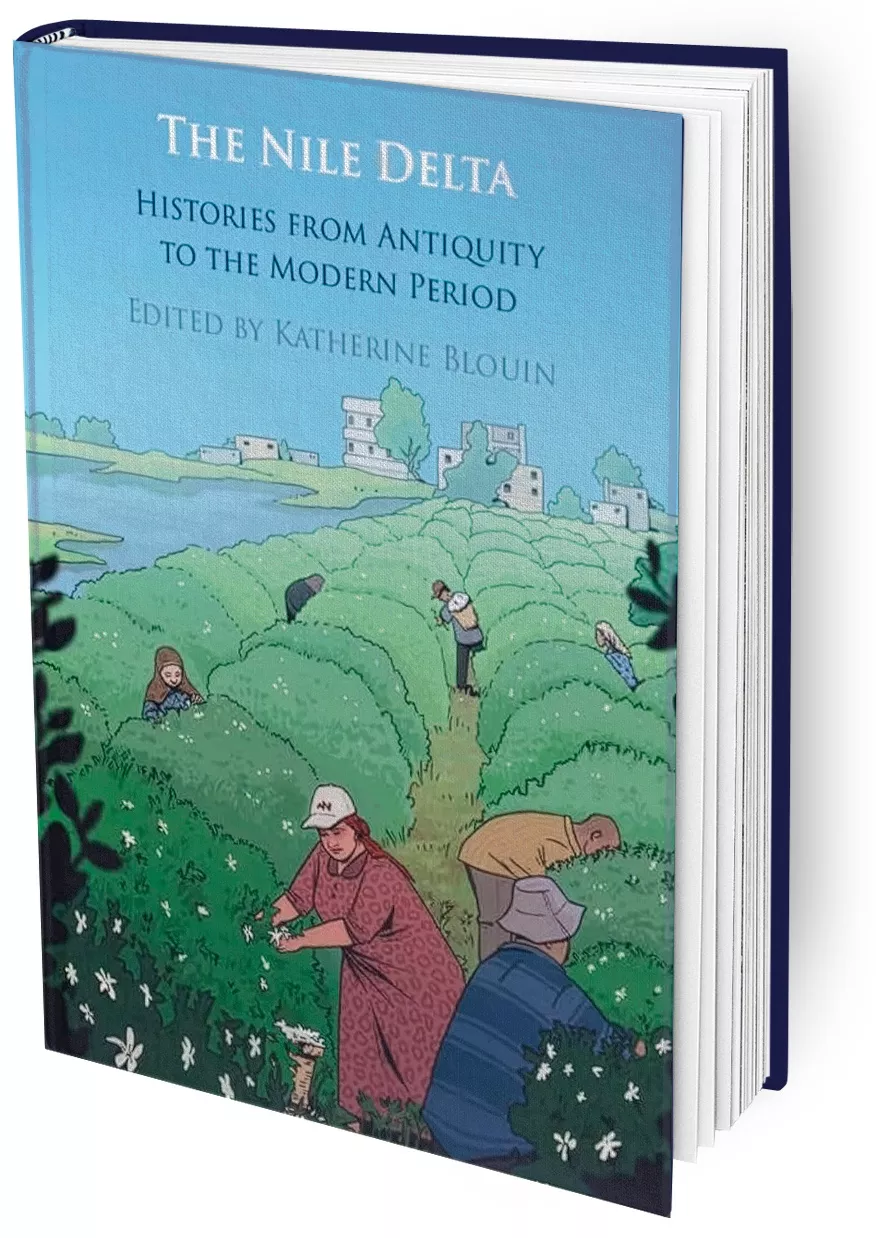
Essays on Nile Delta, From Ancient Egypt to Today—Our Book Review
Editor and ancient historian Katherine Blouin asks 18 scholars to address why this crucial region is less visited and studied compared to the rest of Egypt.