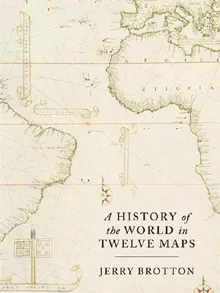
A History of the World in 12 Maps
Tom Verde
Jerry Brotton
2012, Viking, 978-0-67002-339-4, $40 hb.
Seven continents. Seven seas. Five ages of man over 2,000 years. Jerry Brotton sums it all up by yoking cartography with historical themes such as faith, empire, nation and tolerance from the second century ce in a dozen era-defining maps. Some are no surprise: those based upon Ptolemy’s Geography, c. 150; Al-Idrisi’s 1154 map of the known Christian-Islamic world; and Mercator’s 1569 projection that rendered the spherical world in a single, flat, contiguous image—a transformative boon to navigation and, ultimately, the standard decor for grade-school classrooms everywhere. Others may be less familiar, such as the Cassini family’s 1793 nation-defining map of France, or a forehead-slappingly obvious: Google Earth. While a universally accepted global map remains beyond our reach for a variety of political and technical reasons, Brotton concludes that without maps, “we can never know the world.”
You may also be interested in...

The Two Worlds of Saweda Kamara's Besaydoo: Poems—Our Book Review
Yalie Saweda Kamra's third poetry collection about her experience as a child of African immigrants navigating life in the US and Sierra Leone is both intellectually engaging and emotionally resonant.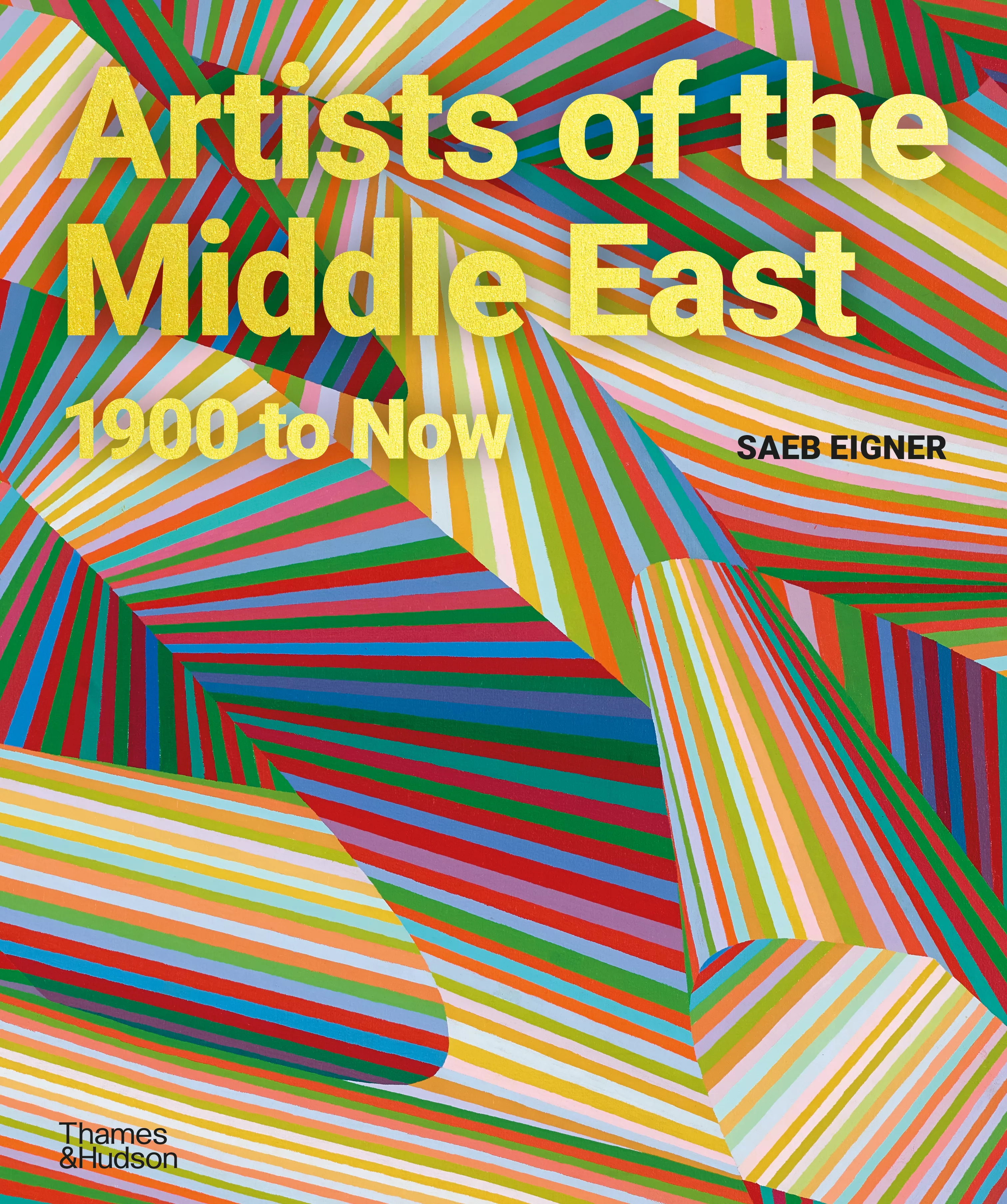
Saeb Eigner Brings Readers Closer to the Artists of the Middle East
Artists of the Middle East emphasizes the breadth of an artistic community that spans nations, styles and mediums while challenging the assumption that these artists are at once the same as each other and different from those in the West.