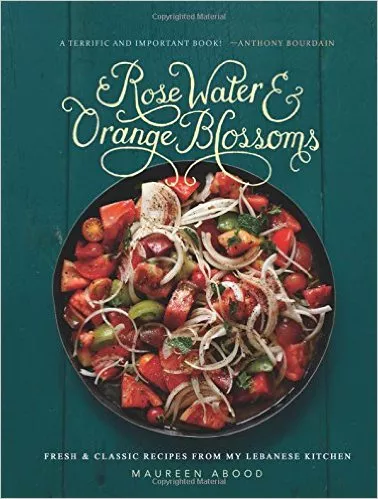
Rose Water & Orange Blossoms: Fresh & Classic Recipes from My Lebanese Kitchen
Tom Verde
Maureen Abood
2015, Running Press, 978-0-76245-486-0, $15.99 hb.
Za'taar is one of those ubiquitous, Middle Eastern spice mixtures (typically a combination of dried thyme, sesame seeds and citrusy sumac) that many cultures in the region claim as their own. This is especially true in Lebanon, where no home cook would be without the heady mixture—any more than an American table would be bereft of salt and pepper. Smeared with olive oil across the warm, dimpled surface of a piece of flatbread, it is the defining ingredient of mana'esh, the country’s “quintessential breakfast food,” as author Maureen Abood lovingly declares. With such humble dishes as her launching point, she explores the deliciously dizzying heights to which Lebanese-based cuisine has aspired as a geographic crossroads of borrowed ingredients such as rose water or pomegranates (from Ottoman Persia) or oranges and nougat (from the Western Mediterranean). Hence the title of this proud ode to Abood’s culinary heritage.
You may also be interested in...
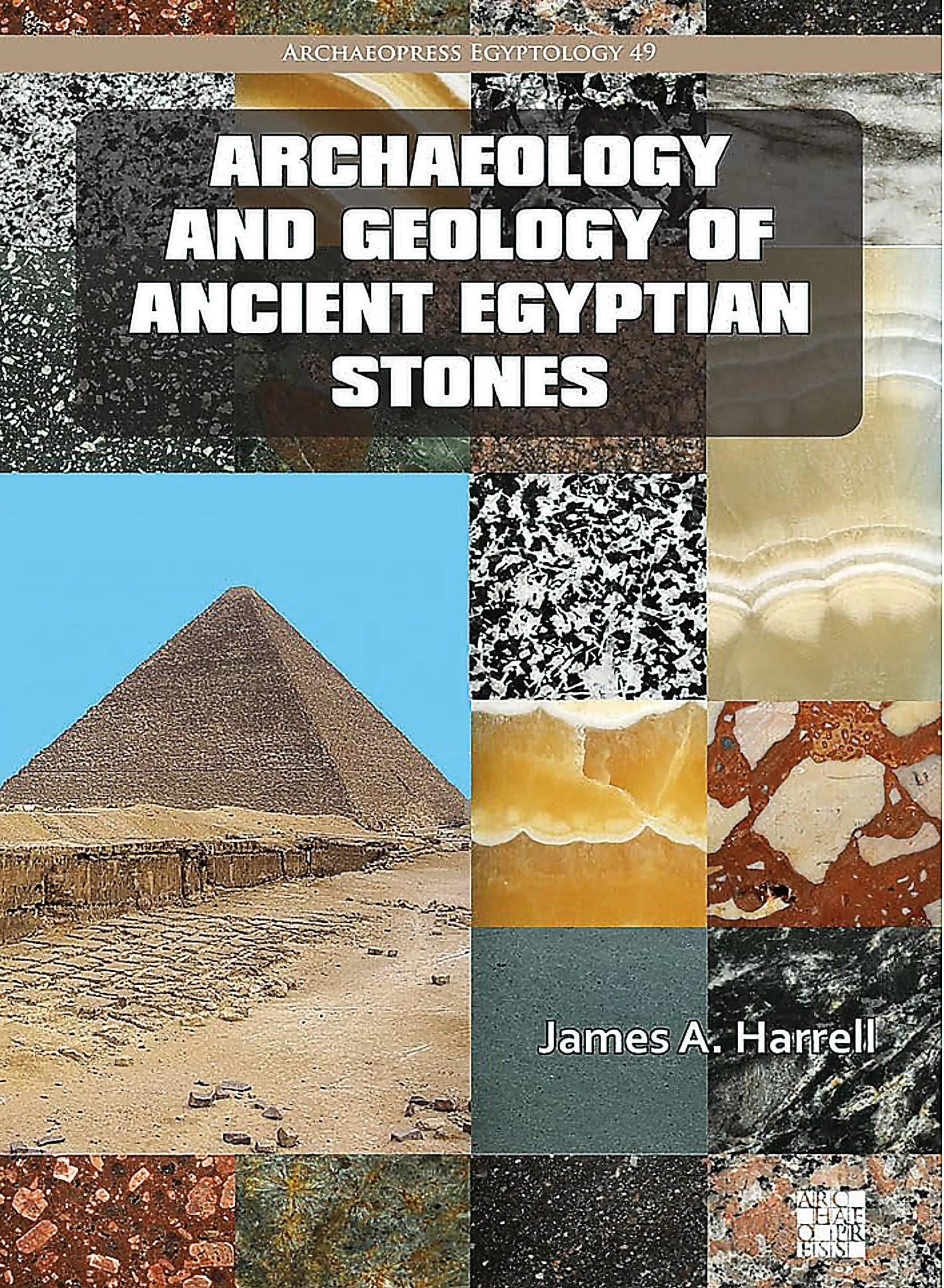
Archaeology and Geology of Ancient Egyptian Stones—Book Review
In categorizing the stones the ancient Egyptians used, author James A. Harrell unites geology, archeology and cultural history in one monumental reference.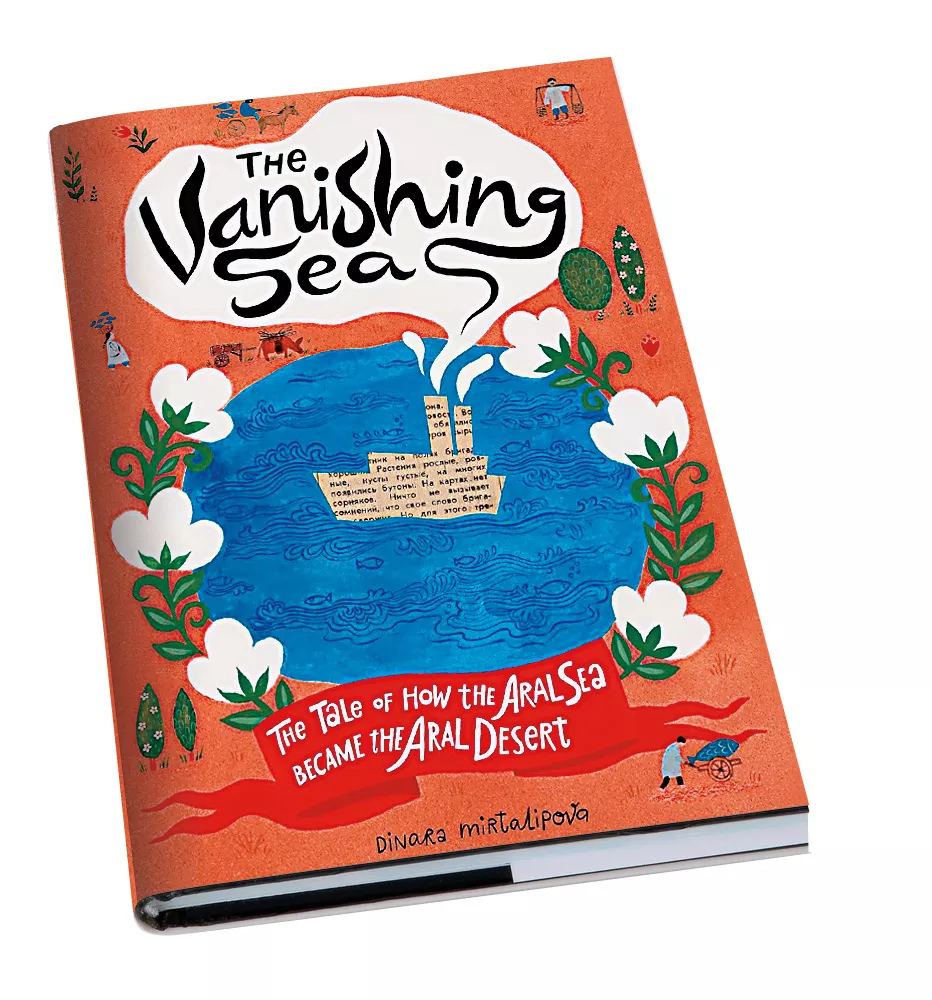
The Vanishing Sea by Artist Dinara Mirtalipova—Our Book Review
How often do we take nature for granted, assuming it will never vanish? In US-based folk illustrator Dinara Mirtalipova’s new children’s book, a sea is the main character: the one that provides livelihood and prosperity, until humans’ poor choices cause its demise.