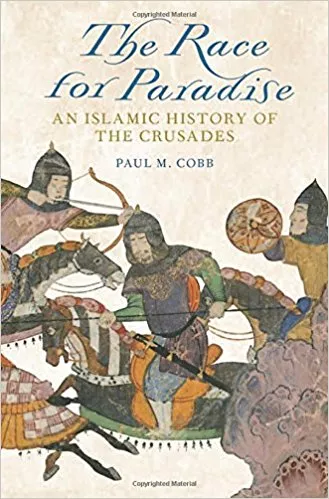
The Race for Paradise: An Islamic History of the Crusades
Robert W. Lebling
Paul M. Cobb
2014, Oxford UP, 978-0-19935-811-3, $29.95 hb.
The Race for Paradise offers fresh perspectives on medieval encounters between Muslims and Christians. Western readers will benefit from seeing the Crusades "from the other side of the fence" and in a larger context. Middle Eastern readers will find much that is useful in this work—not only to dispel simplistic stereotypes of Crusaders taht populate extremist philosophies, but also to introduce important Muslim and other Eastern chroniclers, historians and commentators seldom read today. The author, a professor of Islamic history, skillfully illustrates his arguments with compelling anecdotes from Spain to Sicily, the Levant and Mesopotamia. He shows the Crusades were not an epochal clash of religions or civilizations, but rather a series of very particular battles between localities, cities and personalities, fought for reasons that have nothing to do with modern concerns. Societies, East and West, were organized differently—with local kings and nobles, antique economic structures and the like. Cobb captures tragic, shocking, even uplifting human stories behind that period and broadens our understanding a pivotal era.
You may also be interested in...
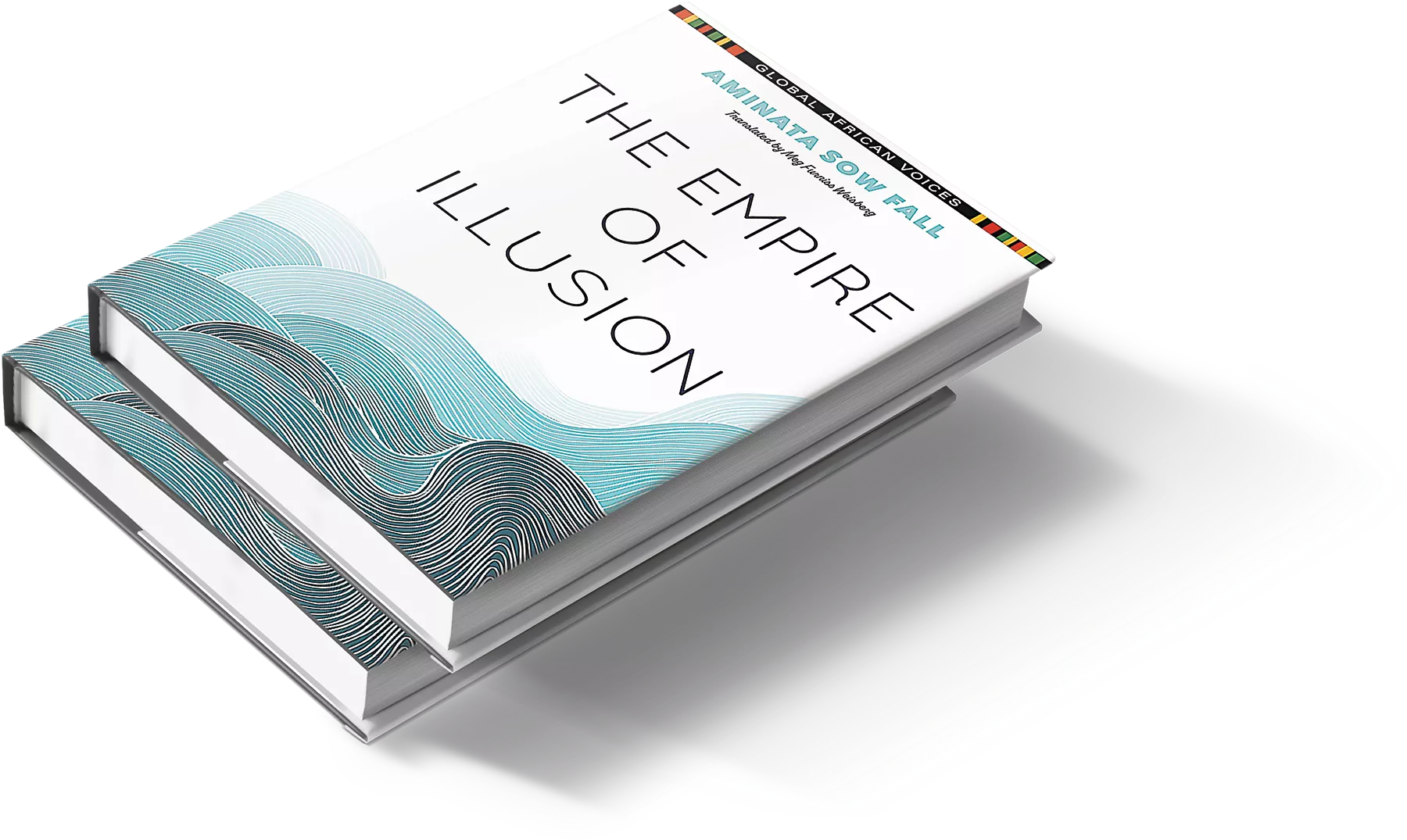
Author Aminata Sow Fall’s Empire of Illusion—Our Book Review
What do we owe each other? What do we owe ourselves? These are the questions that Senegalese author Aminata Sow Fall has posed for nearly half a century.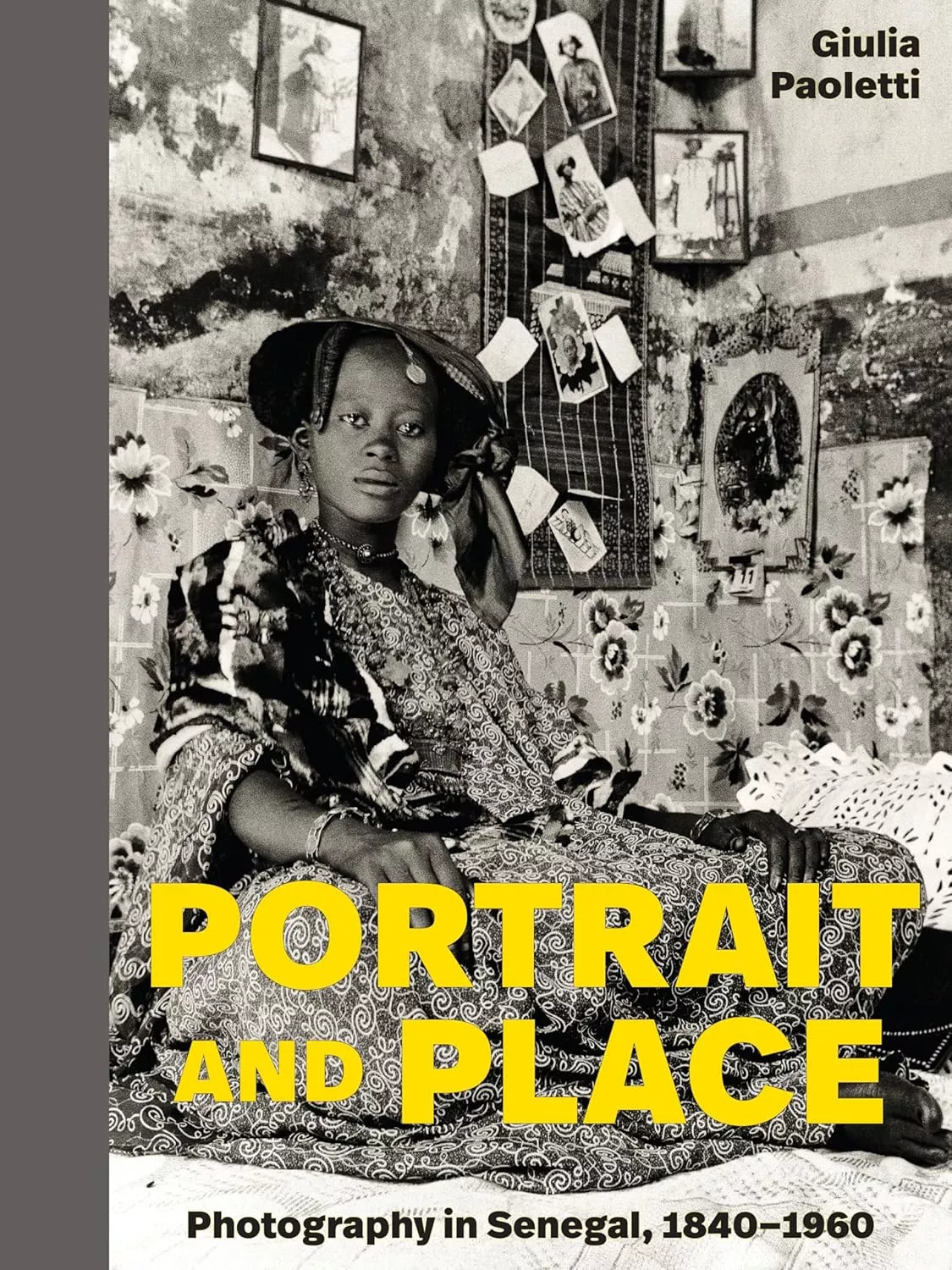
A Fresh Perspective on Senegal’s Photographic History
Author Giulia Paoletti’s Portrait and Place puts historical Senegalese photography in a fresh global context.