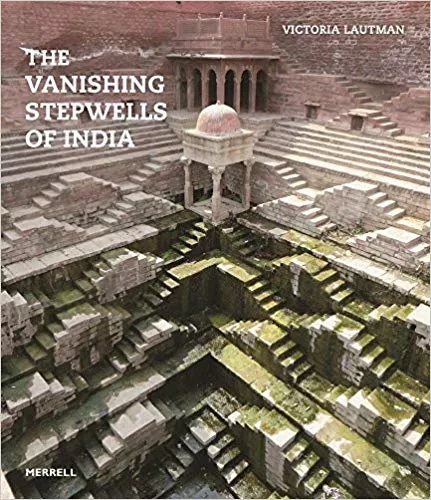
The Vanishing Stepwells of India
Caroline Stone
Victoria Lautman
2017, Merrell Publishers, 978-1-85894-658-0, $60 hb.
Some of the most interesting, and probably least known, monuments in India are stepwells: baoli or vav. Built by both Hindus and Muslims, and often endowed by women, the oldest date back some 14 centuries. These extraordinary examples of hydraulic architecture, found largely in the Northwest, provide not only access to water, some as many as 13 stories underground, but also an escape from the heat and a social gathering place with, almost invariably, a religious component. Lautman’s book is the first generally available description of these threatened monuments, which range from UNESCO World Heritage treasures to abandoned ones used as rubbish pits. Her accounts of some 80 wells are accompanied by photographs—many excellent—although the color reproduction leaves something to be desired. The work will appeal to anyone interested in Indian art and architecture, water management and Indian social history, especially rural. It also provides a great temptation to explore India far from the tourist routes—but one longs for a map!
You may also be interested in...
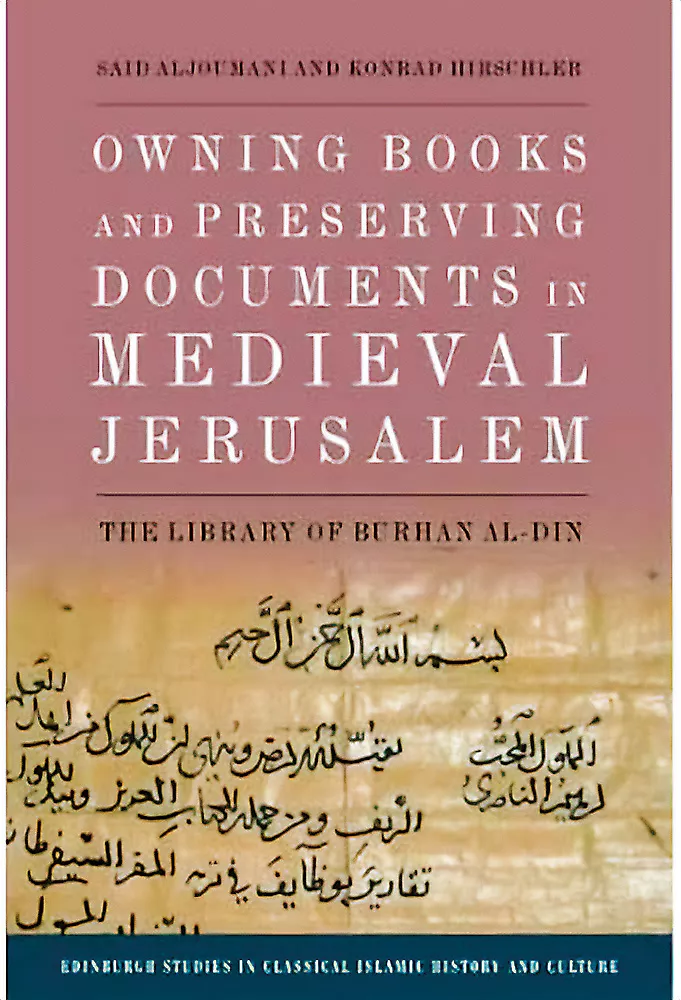
Owning Books and Preserving Documents in Medieval Jerusalem—Book Review
In this painstaking work, Owning Books and Preserving Documents in Medieval Jerusalem, historians Said Aljoumani and Konrad Hirschler explore a culture in which books became woven into the fabric of daily life through the case of Burhān al-Dīn Ibrāhīm al-Nāsīrī.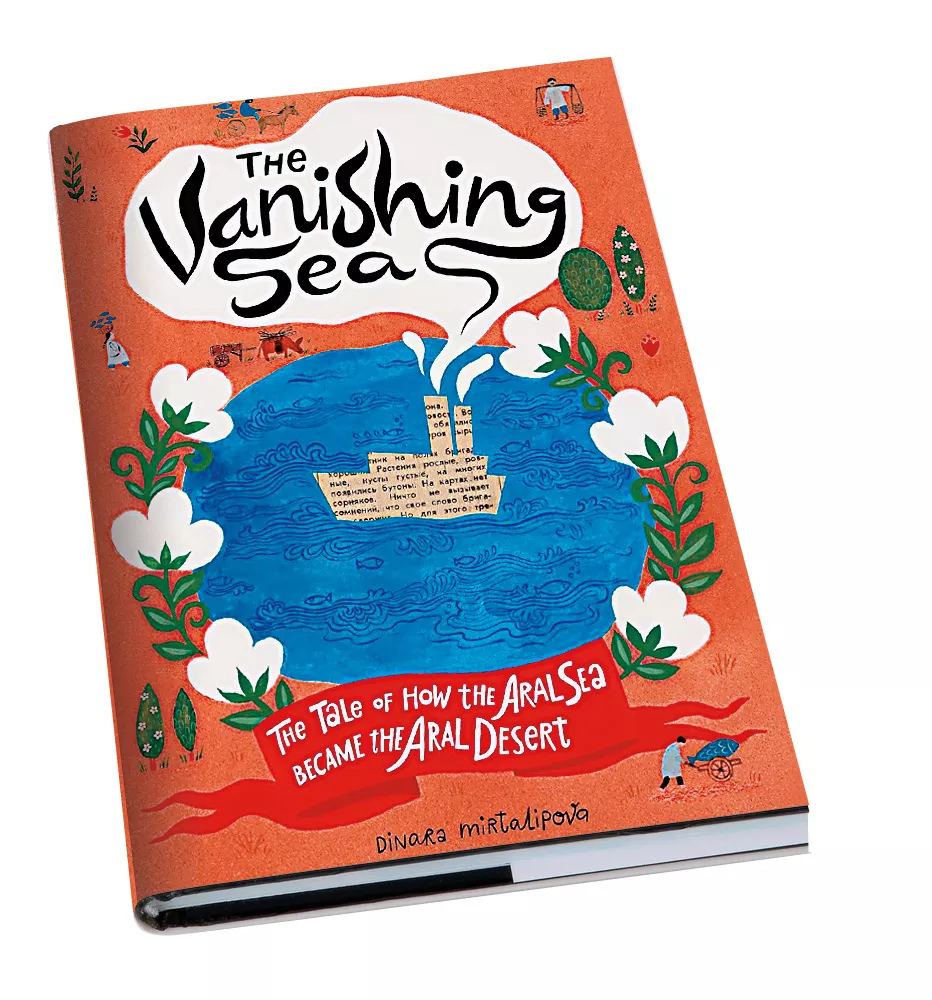
The Vanishing Sea by Artist Dinara Mirtalipova—Our Book Review
How often do we take nature for granted, assuming it will never vanish? In US-based folk illustrator Dinara Mirtalipova’s new children’s book, a sea is the main character: the one that provides livelihood and prosperity, until humans’ poor choices cause its demise.