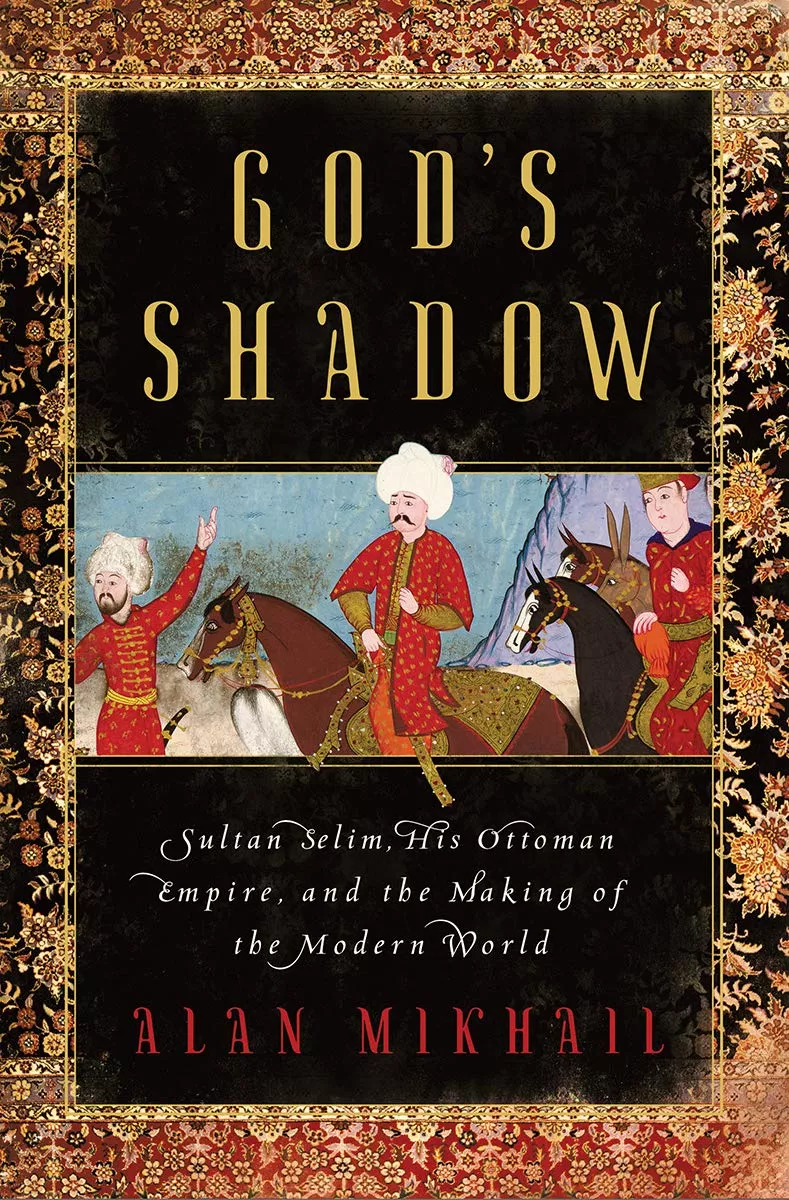
God’s Shadow: Sultan Selim, His Ottoman Empire, and the Making of the Modern World
Tom Verde
Alan Mikhail.
2020, Liveright, 978-1-63149-239-6, $39.95 hb.
Over more than 600 years, from the mid-1300s CE, the Ottoman Empire grew to sprawl across three continents, dominating southeastern Europe, the Middle East and much of North Africa. The author, a professor of history at Yale University, has written an eye-opening account of its impacts on global history, which turn out to be numerous, deep, and not often considered, especially in the West. For example, the political wind that filled the sails of Columbus' ships was not only a desire to circumvent Ottoman naval supremacy in the Mediterranean and establish a direct trade route to the East, but also a fear that the Ottomans would get there first, via the Pacific, whose full vastness was not yet understood. This was but a facet of the larger religious wind that set a fractious, Catholic Europe against an increasingly dominant Muslim empire, just as Europe was beginning its pursuit of colonialism. The key figure at the center of this dynamic history was Ottoman Sultan Selim I, whose ascent to the throne in 1512 was unexpected and yet, as Mikhail chronicles, resulted in the expansion of Ottoman power to its peak, tempered by religious tolerance and personal erudition.
You may also be interested in...
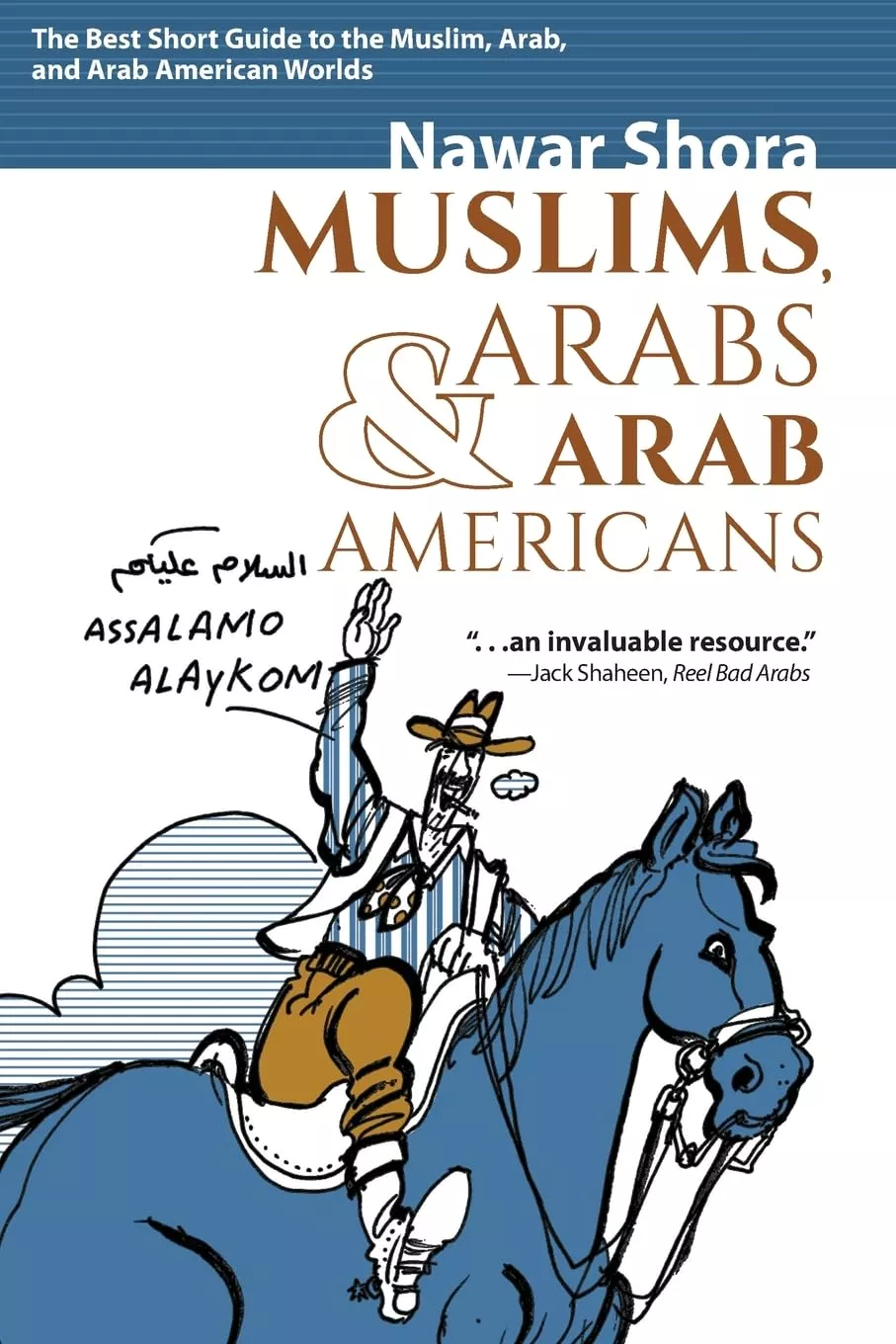
Author Nawar Shora Untangles Arabs, Muslims and Arab Americans
In his book Nawar Shora examines how identities too often treated as interchangeable have shaped public perception and why understanding the differences matters.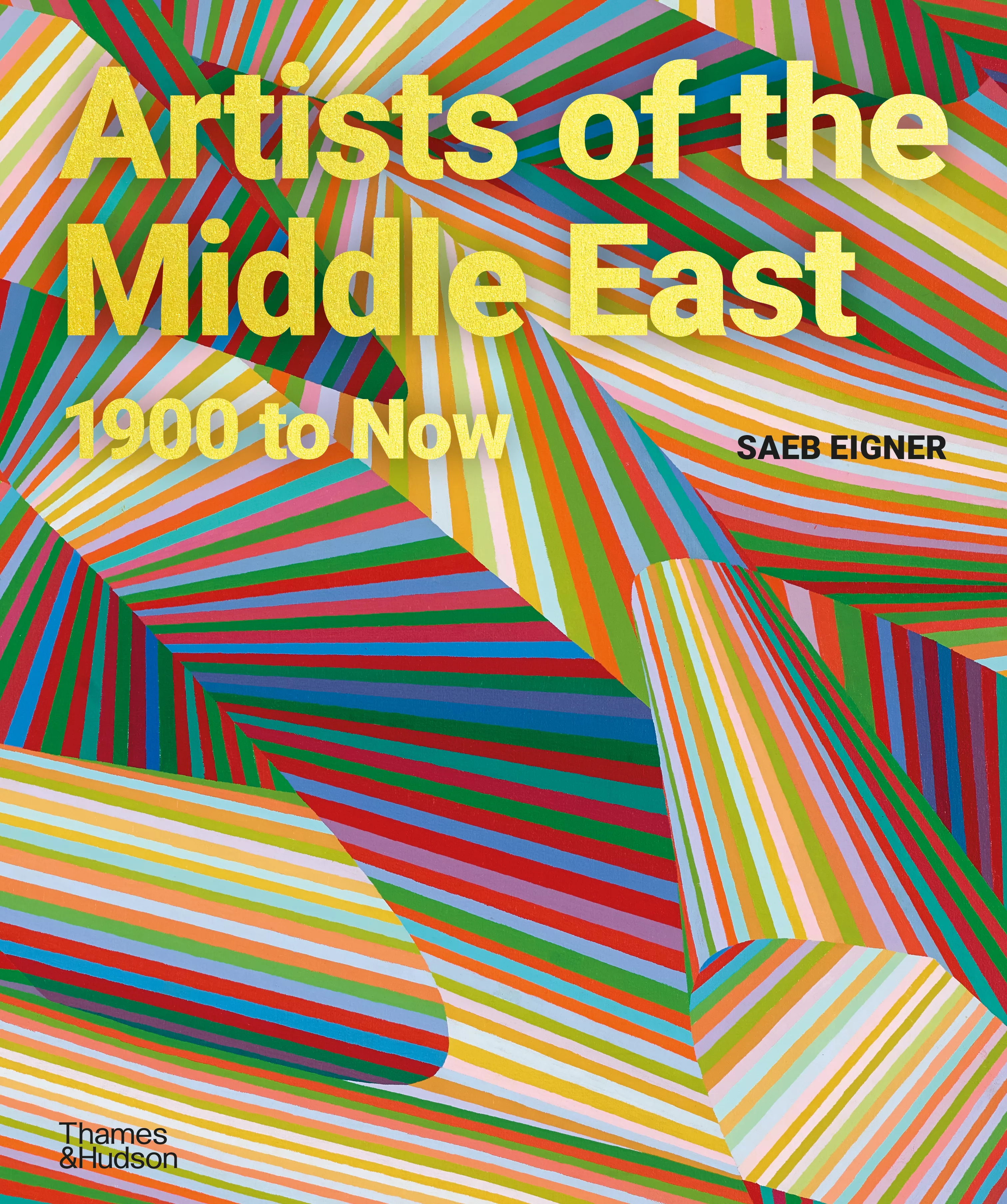
Saeb Eigner Brings Readers Closer to the Artists of the Middle East
Artists of the Middle East emphasizes the breadth of an artistic community that spans nations, styles and mediums while challenging the assumption that these artists are at once the same as each other and different from those in the West.