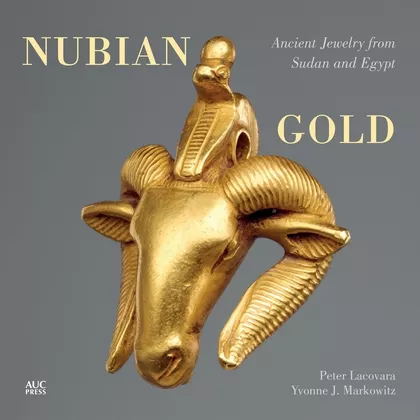
Nubian Gold: Ancient Jewelry from Sudan and Egypt
Jane Waldron Grutz
Peter Lacovara and Yvonne J. Markowitz
2019, AUC Press, 9-789-777416-782-9. $59.95 hb.
For thousands of years, Nubia and Egypt associated gold with the powerful, regenerative powers of the sun. Crafted into exquisite armlets, earrings and pendants, gold both adorned the body and signified wealth, status and power, while protecting the wearer from harmful forces. “Birth, childhood, battle, pregnancy, illness and death were life experiences fraught with dangers that required divine intervention,” explain the authors. “Adornments even accompanied the dead during their perilous journey to the afterlife.” To create these beautiful ornaments, Nubian and Egyptian craftsmen became experts in the arts of goldsmithing, enameling and stone polishing. Within their rich repertoire were delicate golden chains, swiveling scarab rings, and pendants depicting the symbols of their gods: a ram, for example, stood for the powerful god, Amun. No two ornaments are quite the same, yet as this beautifully illustrated volume shows, each embodies the qualities that make Nubian and Egyptian jewelry some of the most beautiful of the ancient world.
You may also be interested in...
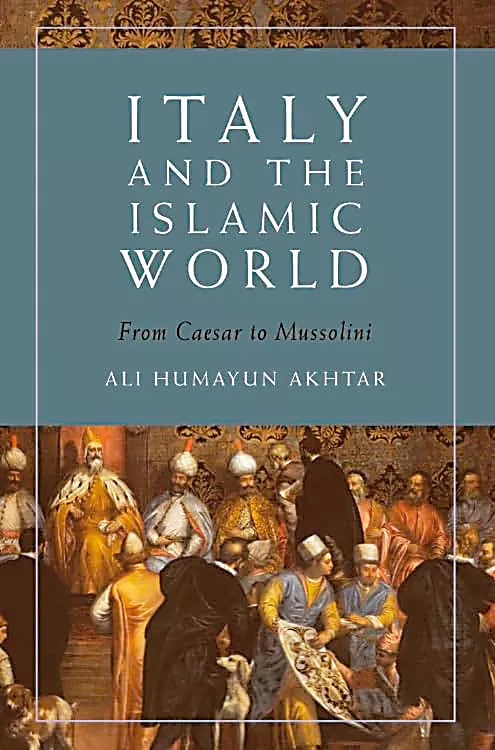
Ali Humayan Akhtar's Italy and the Islamic World—Our Book Review
By situating Italy within its Mediterranean and Islamic contexts, Ali Humayan Akhtar powerfully reshapes how we see its past.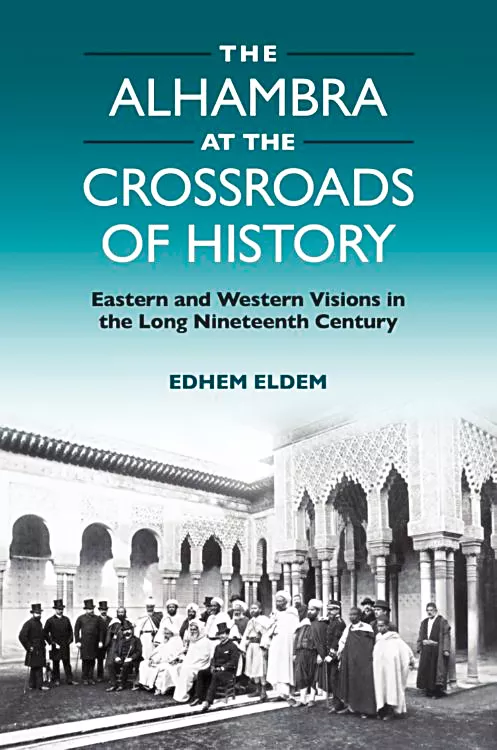
The Alhambra at the Crossroads of History—Our Book Review
The Alhambra at the Crossroads of History shows how the 13th-century Andalusi palace complex in Granada, modern Spain, generates often conflicting meanings at the same time—meanings actively constructed and sometimes misread. Edhem Eldem, an Istanbul-based history professor, traces its role in shaping social and cultural identities across imperial Europe, Arab North Africa and Ottoman Türkiye from the 18th to the early 20th centuries.