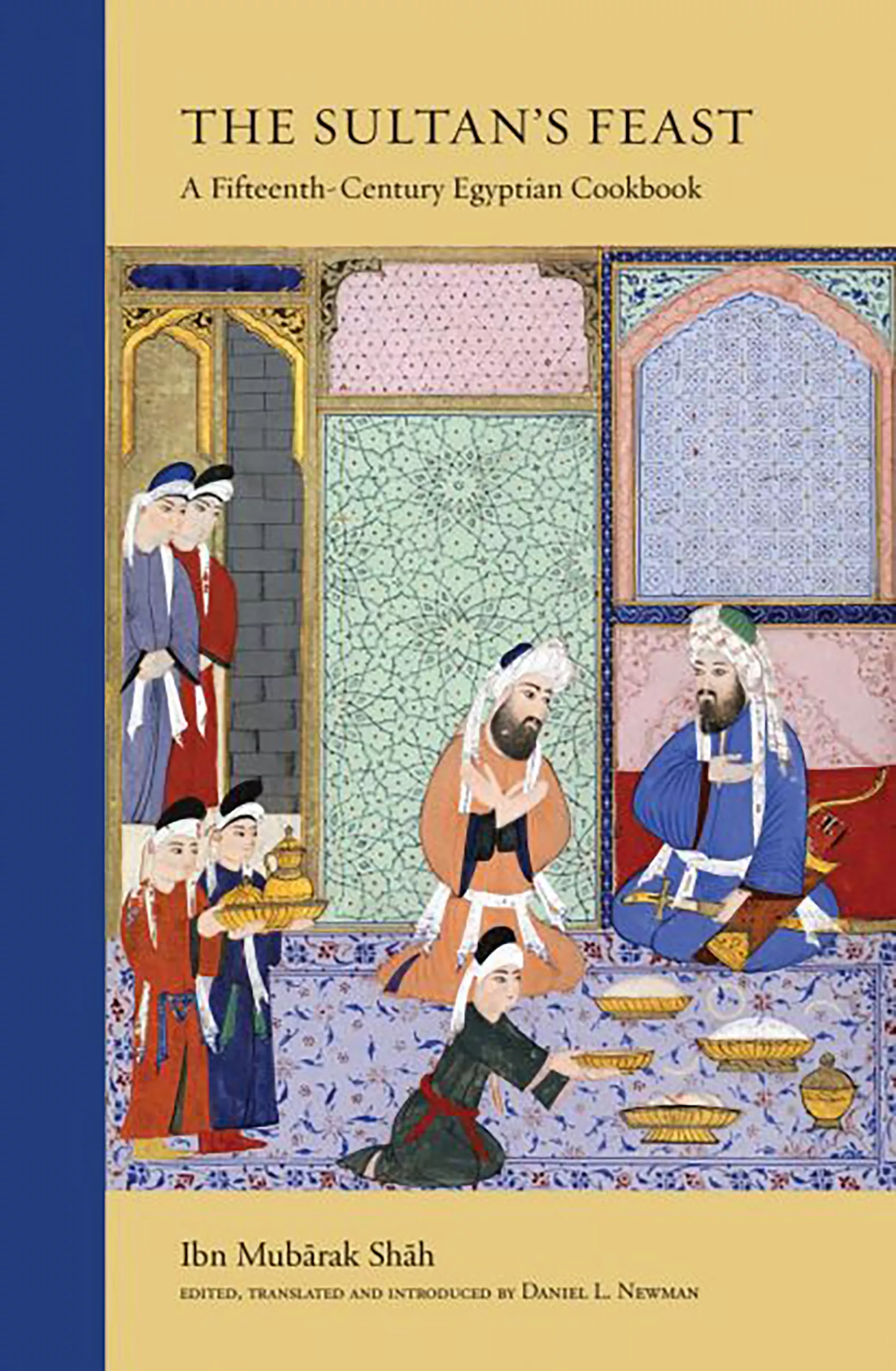
The Sultan’s Feast: A Fifteenth-Century Egyptian Cookbook
Jeff Koehler
Ibn Mubārak Shāh. Daniel L. Newman ed., tr.
2020, Saqi Books, 978-0-86356-156-6, £20 pb.
The period between the 10th and 15th centuries CE was particularly splendid in the kitchens of the Arab-Muslim world, as the 10 known surviving cookbooks published during this time show. The last of these medieval works was Zahr al-ḥadiqa fi ’l-aṭcima al-aniiqa (Flowers in the garden of elegant foods), written in the final decades of Mamluk Egypt by Ibn Mubaarak Shah. It has been published in English for the first time as The Sultan’s Feast: A Fifteenth-Century Egyptian Cookbook. The bilingual Arabic-English volume contains 332 recipes: from breadmaking to omelets and fish dishes, to 18 different ways to pickle turnips. Although the Cairo-born author was a poet and not a chef, he precedes the recipes with wide-ranging helpful advice for any cook on methods, utensils and hygiene. Newman’s lengthy introduction acts as a superb primer on medieval Arab culinary traditions, and his extensive footnotes illuminate every element of the manuscript.
You may also be interested in...
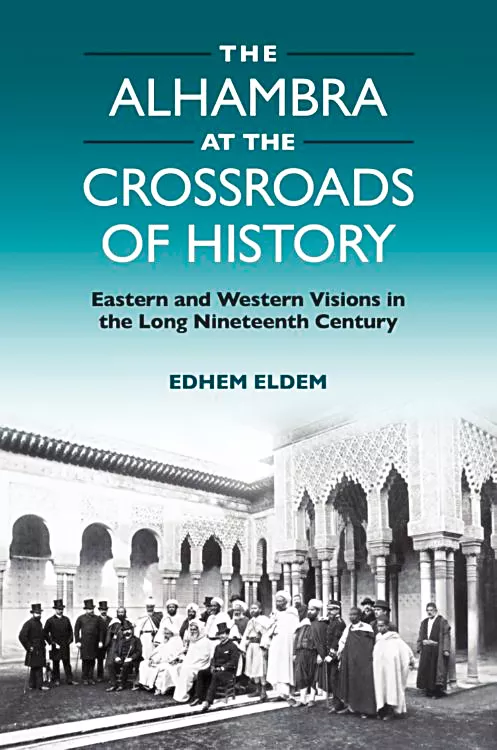
The Alhambra at the Crossroads of History—Our Book Review
The Alhambra at the Crossroads of History shows how the 13th-century Andalusi palace complex in Granada, modern Spain, generates often conflicting meanings at the same time—meanings actively constructed and sometimes misread. Edhem Eldem, an Istanbul-based history professor, traces its role in shaping social and cultural identities across imperial Europe, Arab North Africa and Ottoman Türkiye from the 18th to the early 20th centuries.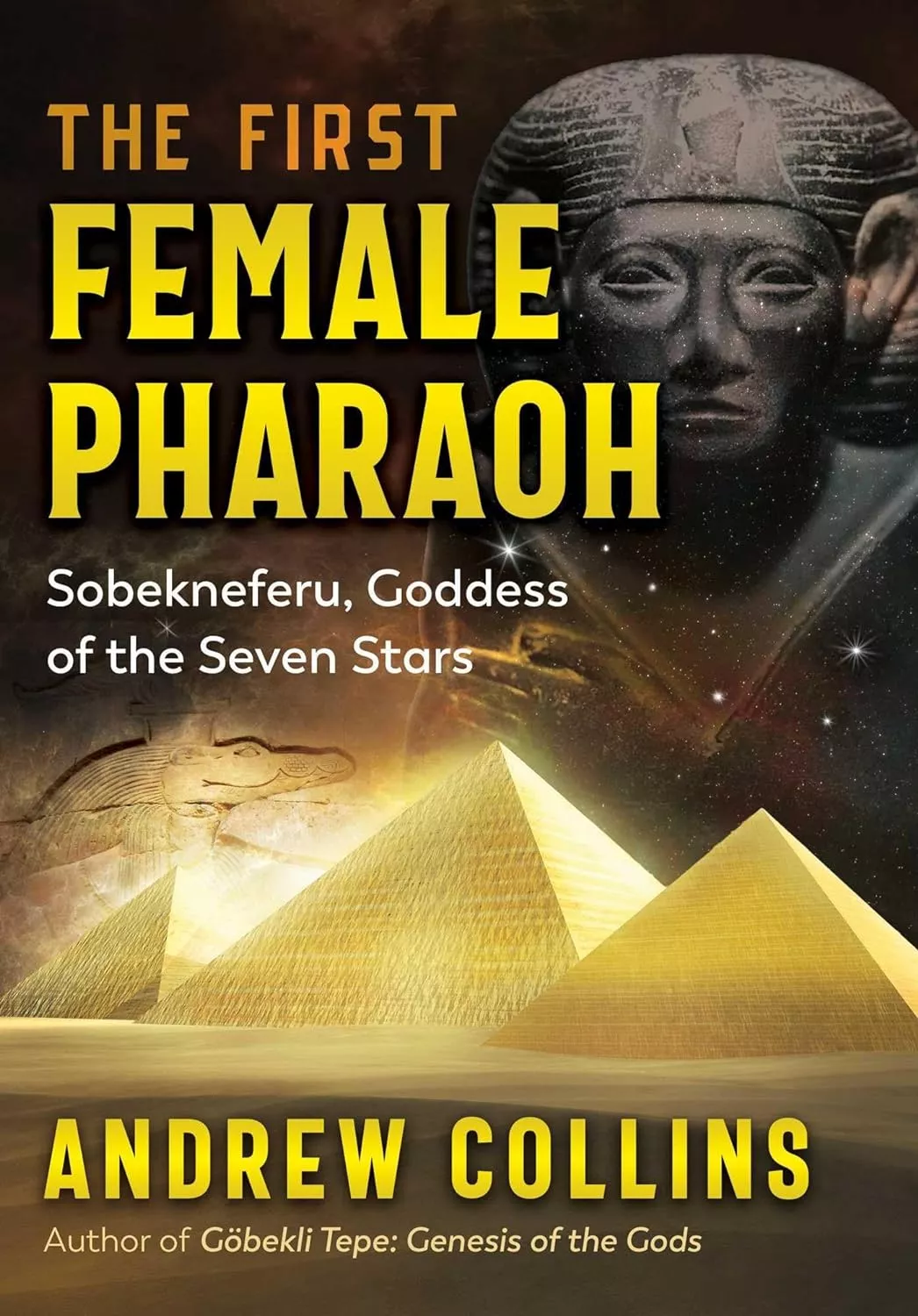
Author Andrew Collins’ The First Female Pharaoh—Our Book Review
Andrew Collins explores the mythmaking and historical erasure of Egypt’s first female pharaoh.