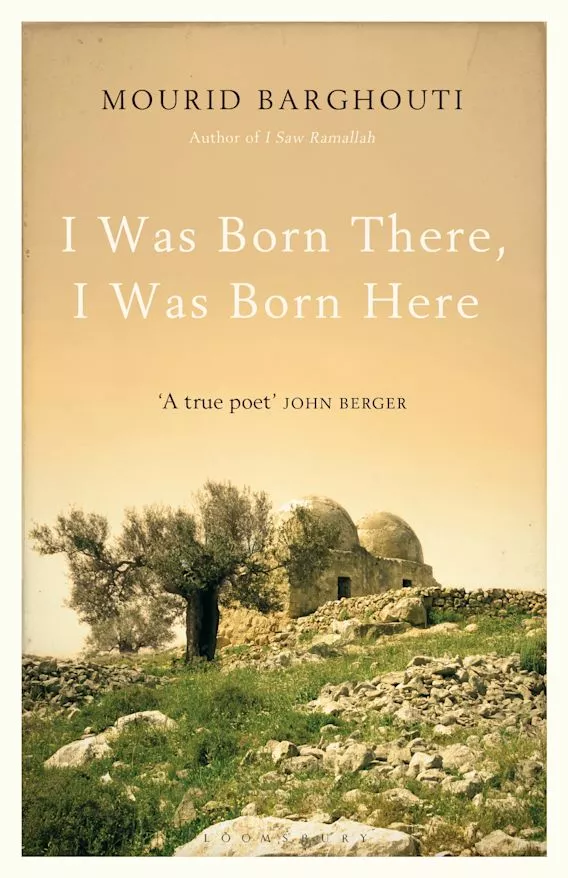
I Was Born There, I Was Born Here
Piney Kesting
Mourid Barghouti.
Bloomsbury, 2011.
“I want to write the history of things no one else will ever write for me. I want to carve the least of my feelings with a chisel on a stone next to the highway.”
—From I Was Born There, I was Born Here
In the summer of 1998, renowned Palestinian poet and author Mourid Barghouti (1944–2021) traveled to Ramallah with his son, Tamim, to obtain the 21-year-old’s Palestinian identity card. As he watched his son discover Palestine for the first time, Barghouti lamented no longer knowing the physical and emotional geography of his own homeland after being exiled for three decades, since the Occupation started in the 1960s: “I am now walking in Jerusalem as a father. Now my son walks beside me. I come burdened with my past. He starts from the white page of the future.” Barghouti’s journey traveling that summer in a shared cab from Ramallah to Jericho and avoiding Israeli checkpoints and blocked roads exposed the arduous daily life of Palestinians who confront life under Occupation with courage and dignity. Translated into English in 2011, this compelling, intimate story sadly rings as true today as it did nearly 25 years ago.
—Piney Kesting
You may also be interested in...
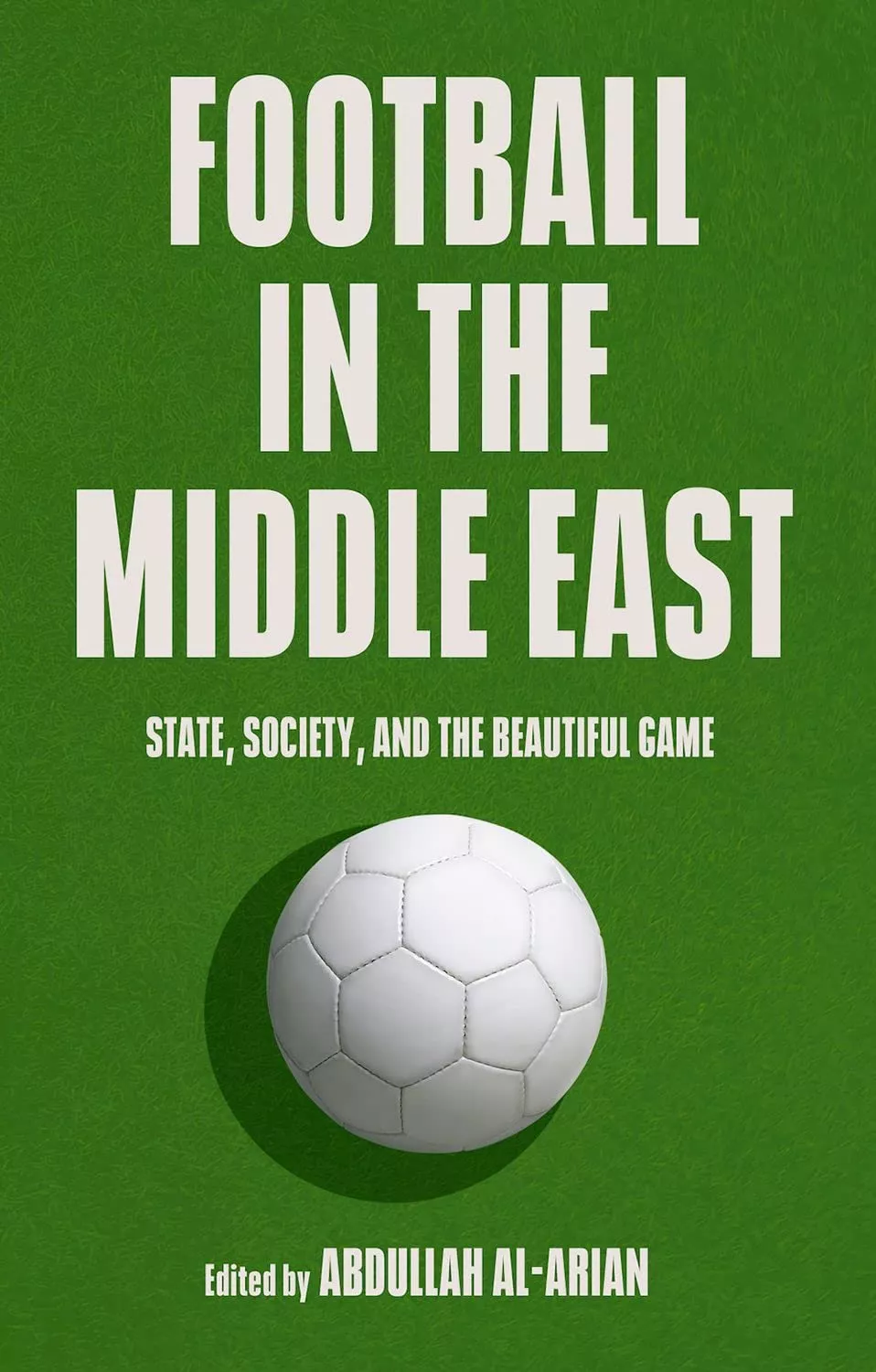
A Scholarly Look at Football in the Middle East—Our Book Review
This collection, edited by Abdullah Al-Arian, explores the early history and growing influence of football throughout the region.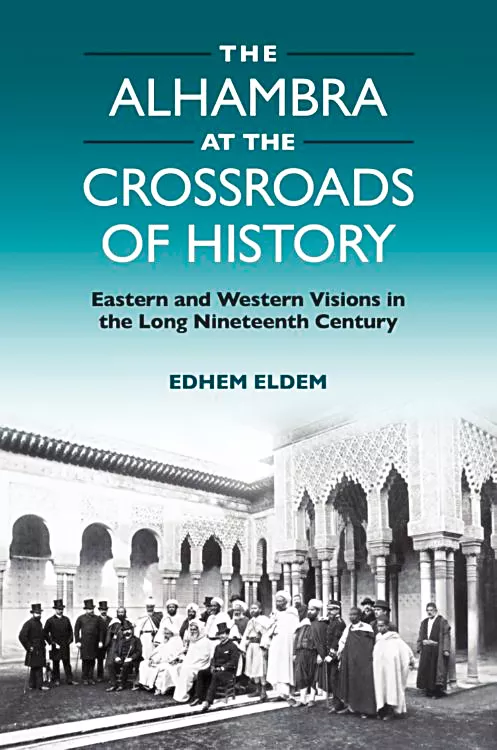
The Alhambra at the Crossroads of History—Our Book Review
The Alhambra at the Crossroads of History shows how the 13th-century Andalusi palace complex in Granada, modern Spain, generates often conflicting meanings at the same time—meanings actively constructed and sometimes misread. Edhem Eldem, an Istanbul-based history professor, traces its role in shaping social and cultural identities across imperial Europe, Arab North Africa and Ottoman Türkiye from the 18th to the early 20th centuries.