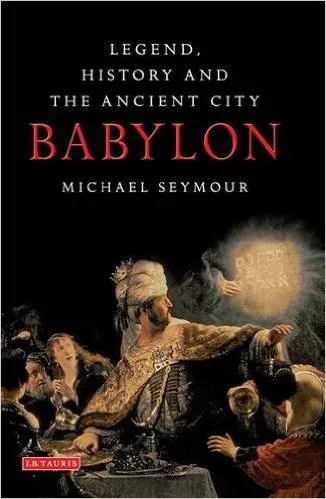
Babylon: Legend, History and the Ancient City
Louis Werner
Michael Seymour
2015, I. B. Tauris, 978-1-84885-701-8, $110 hb
There are two kinds of archeology, this wide-ranging book tells us: The kind of pits and trenches at the site itself, and the kind of metaphors and meanings accrued to the site over following centuries. Ancient Babylon, “a city buried under its own mythology,” has both, writes Michael Seymour. We learn how its most famous archeologist, Robert Koldewey, made possible the reconstruction, from bits of rubble, of the Ishtar Gate in Germany in 1930. More relevant to the first word in the subtitle, we learn also of Babylon’s connection to the works of Voltaire and William Blake; paintings by Rembrandt and Brueghel; the story of the lovers Pyramus and Thisbe (the inspiration for Romeo and Juliette) in Shakespeare’s A Midsummer Night’s Dream, via Ovid’s Metamorphoses; and the weighted phrase “the writing on the wall,” from the Prophet Daniel’s interpretation of the words mysteriously appearing on King Belshazzar’s banquet hall. Such references make this book essential reading, for without knowledge of Babylon’s long reach into Western cultural history we are all somewhat illiterate.
You may also be interested in...
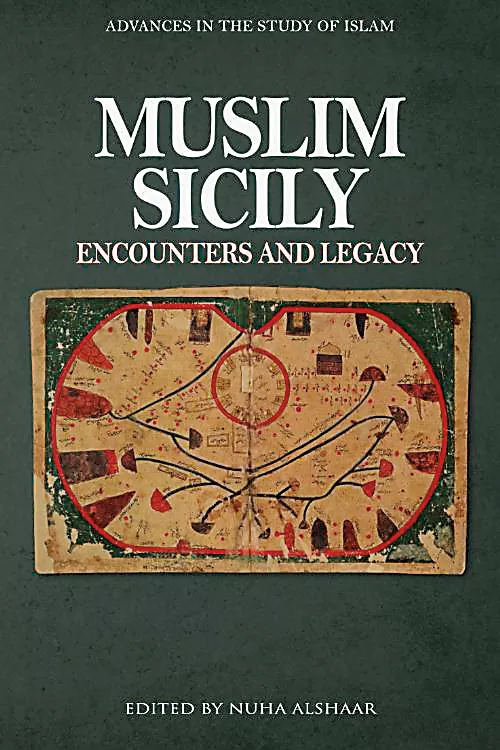
Nuha Alshaar’s Essay Compilation Muslim Sicily—Our Book Review
What emerges from this volume by Nuha Alshaar, a professor of Arabic literature and Islamic studies, is a rounded picture of Sicily as a site of cultural exchange that shaped the medieval Mediterranean.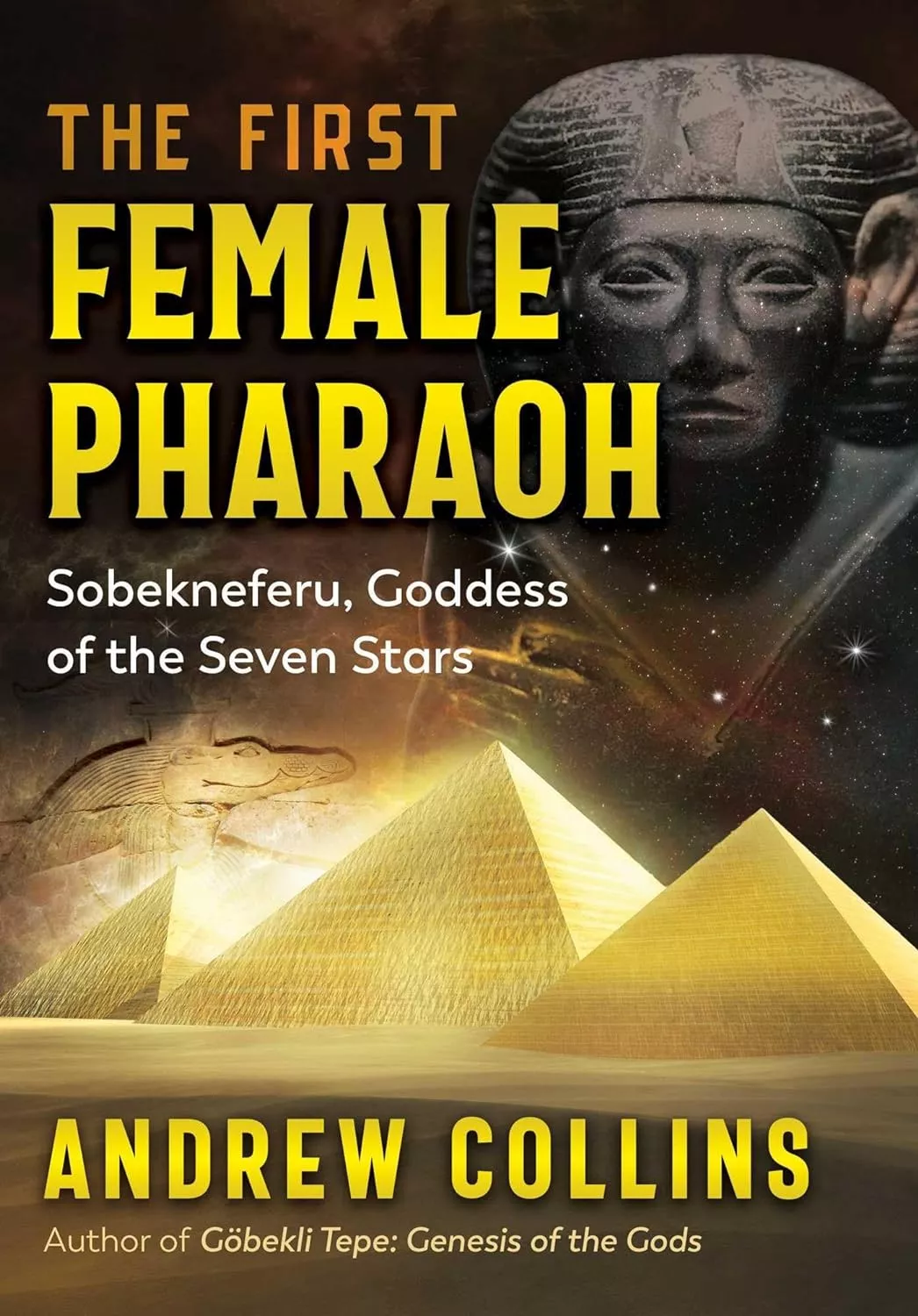
Author Andrew Collins’ The First Female Pharaoh—Our Book Review
Andrew Collins explores the mythmaking and historical erasure of Egypt’s first female pharaoh.