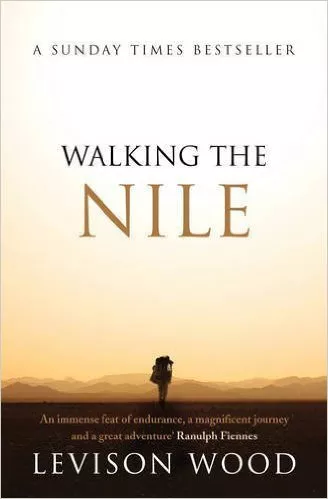
Walking the Nile
Arthur Clark
Levison Wood
2015, Simon & Schuster, 978-1-47113-565-1, ₤8.99 pb
Starting from a spring in Rwanda in late 2013, British sojourner Levison Wood sets off to hike the Nile’s 4,000 miles from its source to its mouth. En route, he and a companion barely escape an attack by rebels in newly minted South Sudan, forcing him to accept a plane ride north to Khartoum. In his book about the journey—all but that sector on foot—Wood interweaves stories of the people he meets with those of the river. He writes of the Roman soldiers charged by Nero to find the Nile’s source in the first century ce. (They discovered an advanced society at Meroe in Sudan but could not cross its swamps in the south). And he introduces readers to Dr. David Livingston and his "rescuer," Henry Stanley, among other 19th-century explorers seeking the river’s source. Nine months after embarking, Wood finally reaches his destination on Egypt’s Mediterranean coast. Although he fails to walk the whole route, that doesn't make his journey any less triumphant. "I was here exploring people. Constantly in flux, constantly evolving, there is always something new to discover about people" that "does not make it into our headlines," he writes near the outset. He brilliantly succeeds.
You may also be interested in...

Architecture and Affect in the Middle Ages—Our Book Review
Author Paul Binski takes readers on a multisensory tour of medieval cathedrals across Europe.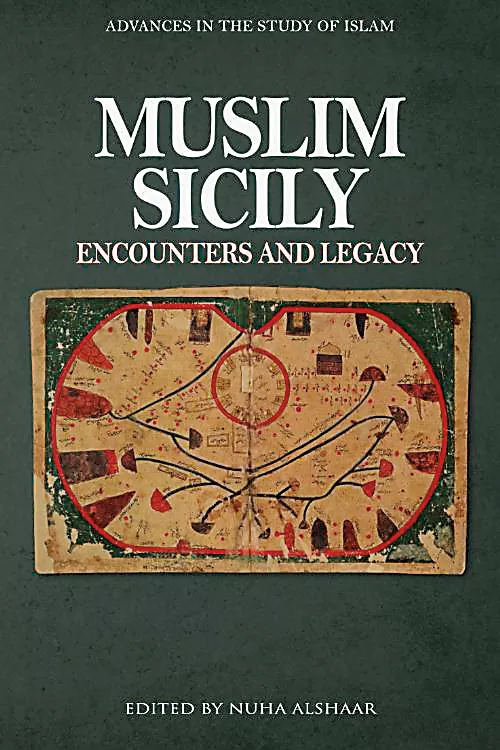
Nuha Alshaar’s Essay Compilation Muslim Sicily—Our Book Review
What emerges from this volume by Nuha Alshaar, a professor of Arabic literature and Islamic studies, is a rounded picture of Sicily as a site of cultural exchange that shaped the medieval Mediterranean.