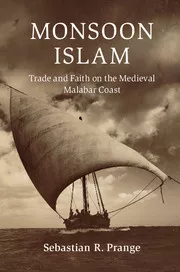
Monsoon Islam: Trade and Faith on the Medieval Malabar Coast
LOUIS WERNER
Sebastian R. Prange
2018, Cambridge UP, 978-1-10842-438-7, $120 hb.
Western scholars of Islam and its myriad civilizations have long qualified the religion by many geographical and cultural subheadings: African Islam, folk Islam, urban Islam, or the like. This is the first academic attempt to analyze Islam through the lens of a weather pattern. Prange looks at India’s Malabar Coast, bilad al-filfil (land of pepper), so named by Arab merchants who arrived on the monsoon trade winds beginning even before the first Islamic century. He argues that Islamic expression there and at the far ends of all its commercial traces on the Indian Ocean littoral is a synthesis explained by the seasonality of these traders’ arrivals and departures, permanent settlements, and their commercial and personal interactions among Hindu and fellow Muslim South Indians. By all readings, Prange’s analysis is a success.
You may also be interested in...
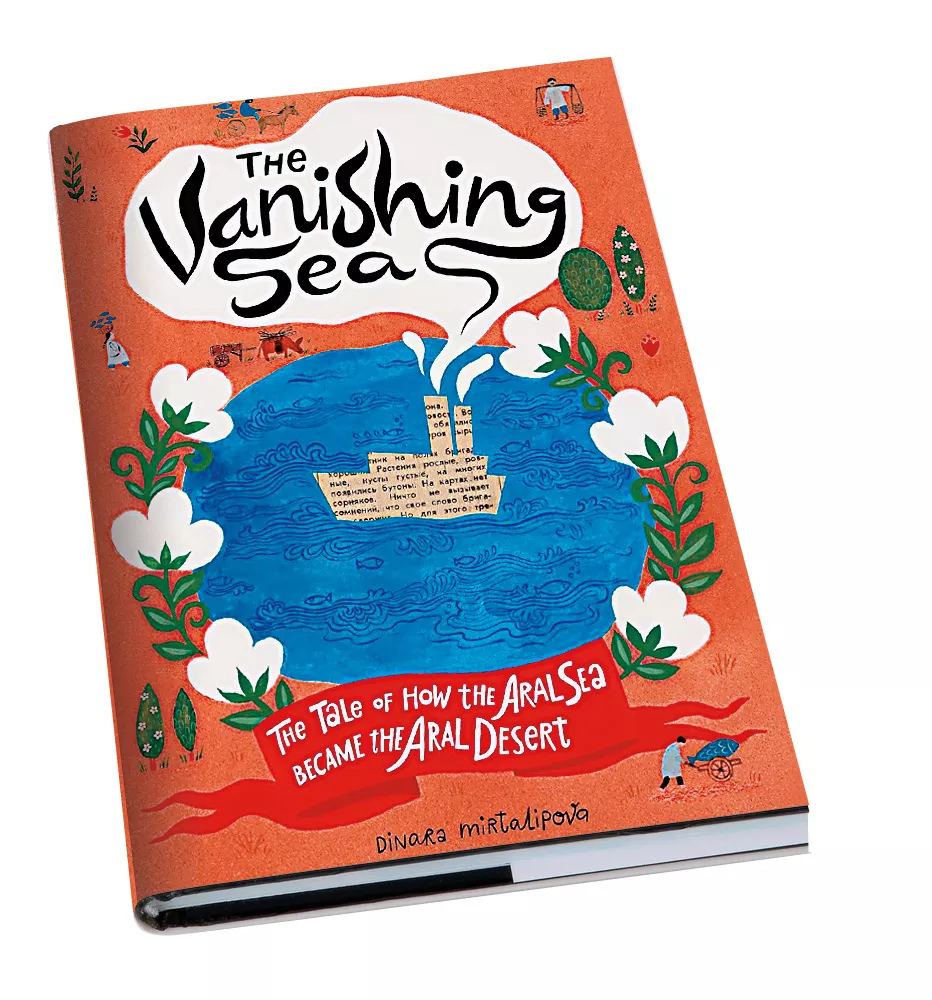
The Vanishing Sea by Artist Dinara Mirtalipova—Our Book Review
How often do we take nature for granted, assuming it will never vanish? In US-based folk illustrator Dinara Mirtalipova’s new children’s book, a sea is the main character: the one that provides livelihood and prosperity, until humans’ poor choices cause its demise.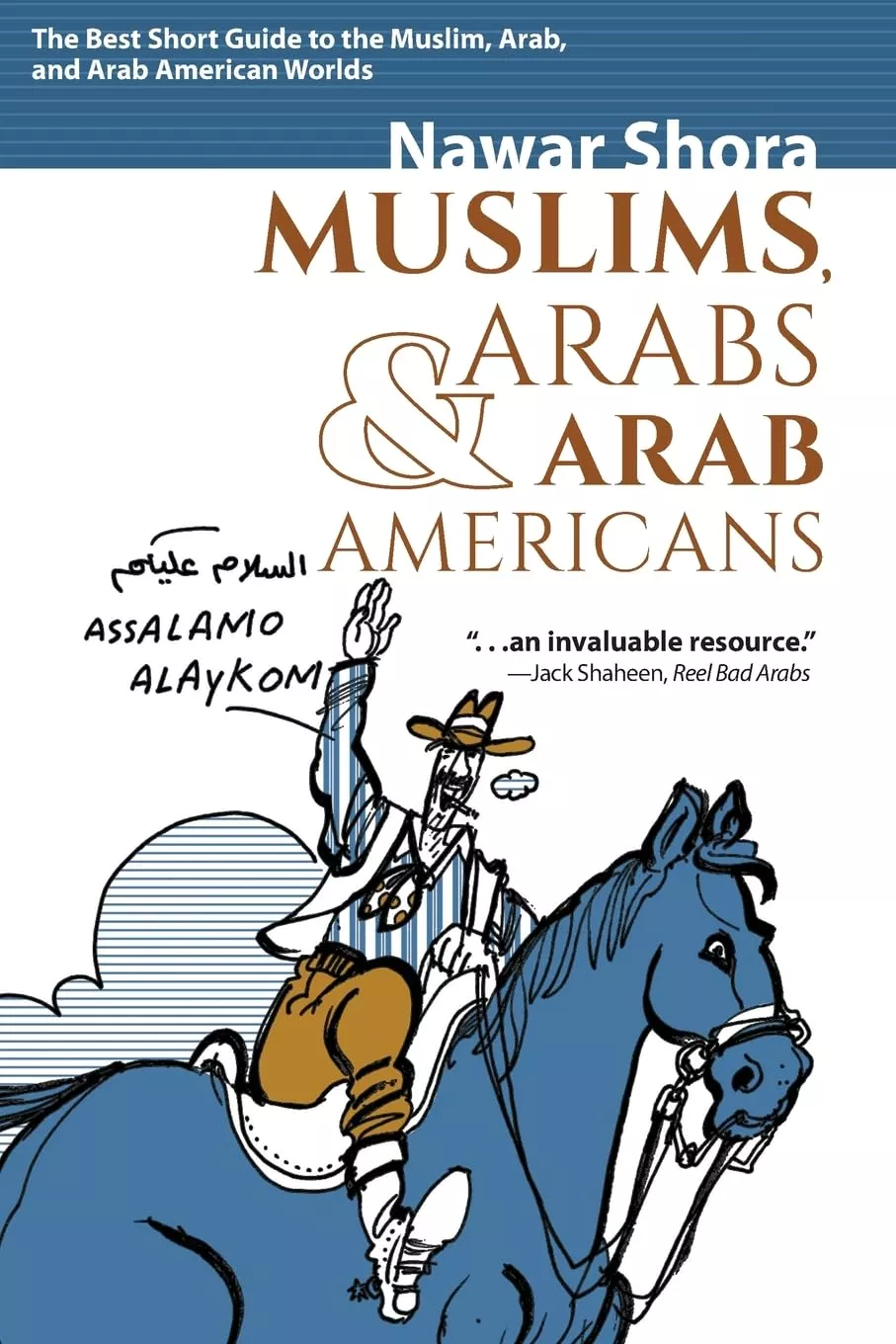
Author Nawar Shora Untangles Arabs, Muslims and Arab Americans
In his book Nawar Shora examines how identities too often treated as interchangeable have shaped public perception and why understanding the differences matters.