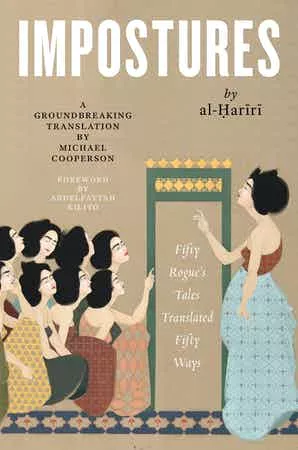
Impostures
Tom Verde
Al-Hariri. Michael Cooperson, tr.
2020, NYU Press, 9-781-47980-0841, $29.95 hb.
The picaresque—a series of tales chronicling the roving adventures of a roguish misfit—traces its roots back to the Middle Eastern maqama, a genre of tales, usually featuring a rascal-hero. While the 10th-century CE Persian storyteller al-Hamadhani is credited with the invention of the genre, it was the 11th/12th-century CE Arab poet al-Hariri of Basra who elevated it to an art form ultimately imitated and adopted by some of the West’s most famous authors, from Geoffrey Chaucer to Miguel Cervantes, Henry Fielding, Mark Twain and others. By retelling al-Hariri’s tales in their style, Arabic scholar Michael Cooperson cleverly and creatively helps repay the West’s indebtedness to the Arab poet in this engaging and amusing collection, in which antihero Abu Zayd al-Saruji connives and cons his way across the medieval Middle East, impersonating clerics, scamming judges and conning his way out of trouble. Cooperson’s al-Saruji invokes everything from cowpoke patter (“I was cozy as a toad under a cabbage leaf”) to Yiddish slang (“Look in my pockets: bupkes!”) in this colorful revisioning of an Arabic classic.
You may also be interested in...
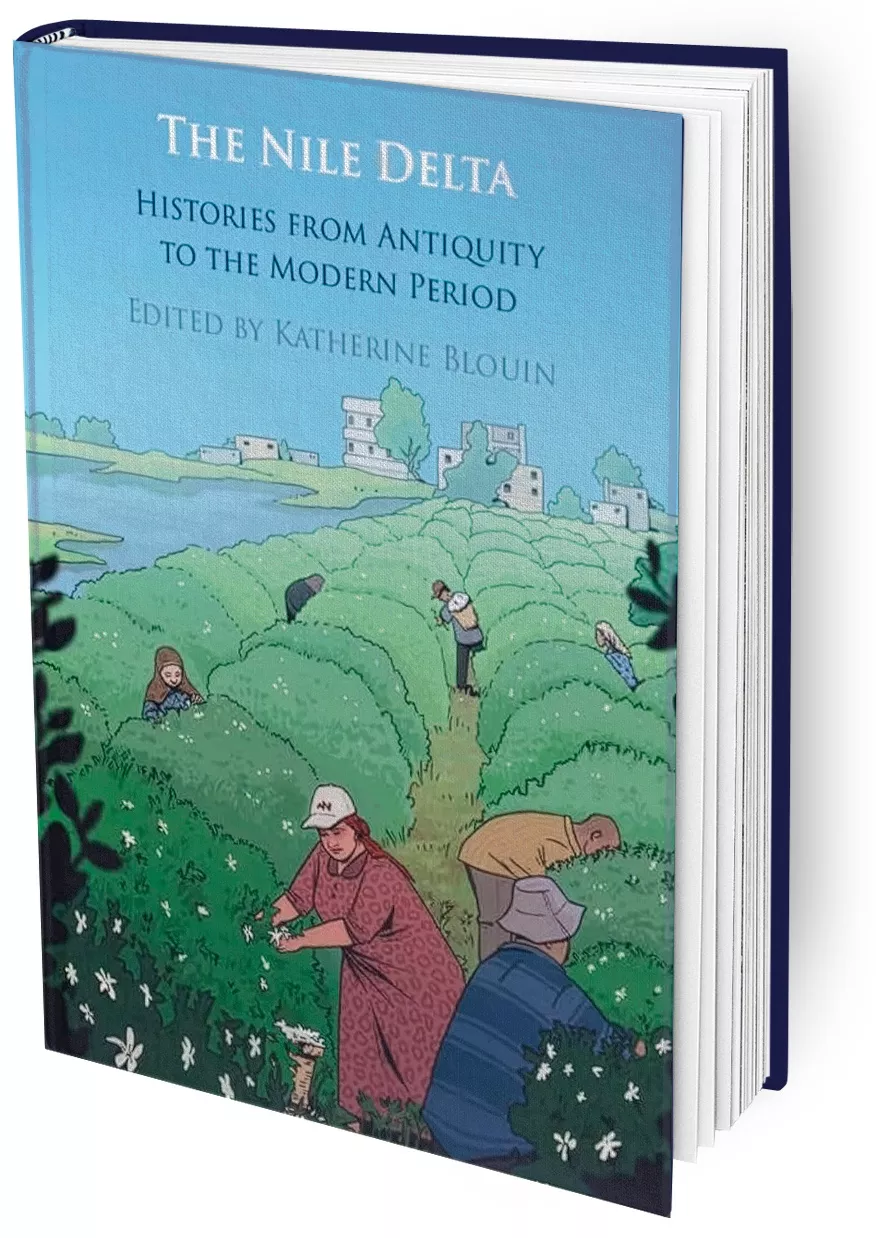
Essays on Nile Delta, From Ancient Egypt to Today—Our Book Review
Editor and ancient historian Katherine Blouin asks 18 scholars to address why this crucial region is less visited and studied compared to the rest of Egypt.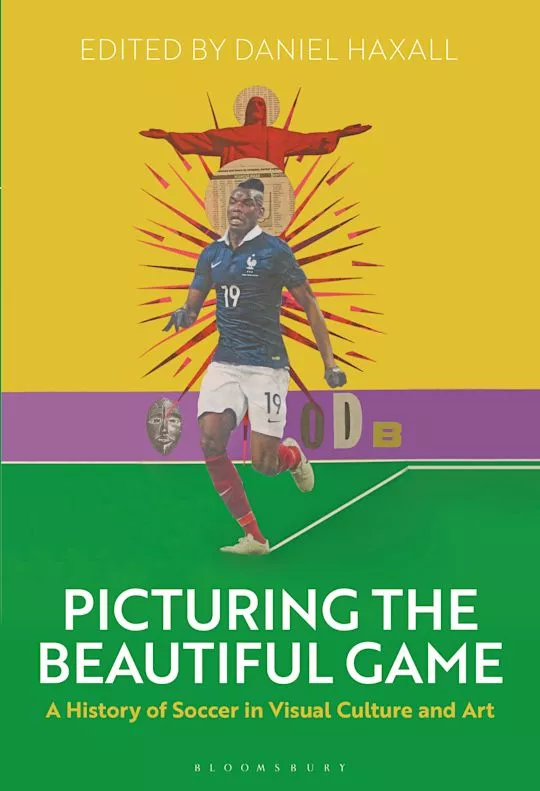
Anthology Shows Soccer—and Sport—as Our Favorite Muse—Book Review
In Picturing the Beautiful Game, art historian Daniel Haxall shows readers the perspective of the artist’s psyche—one rarely depicted in discussions of sport.