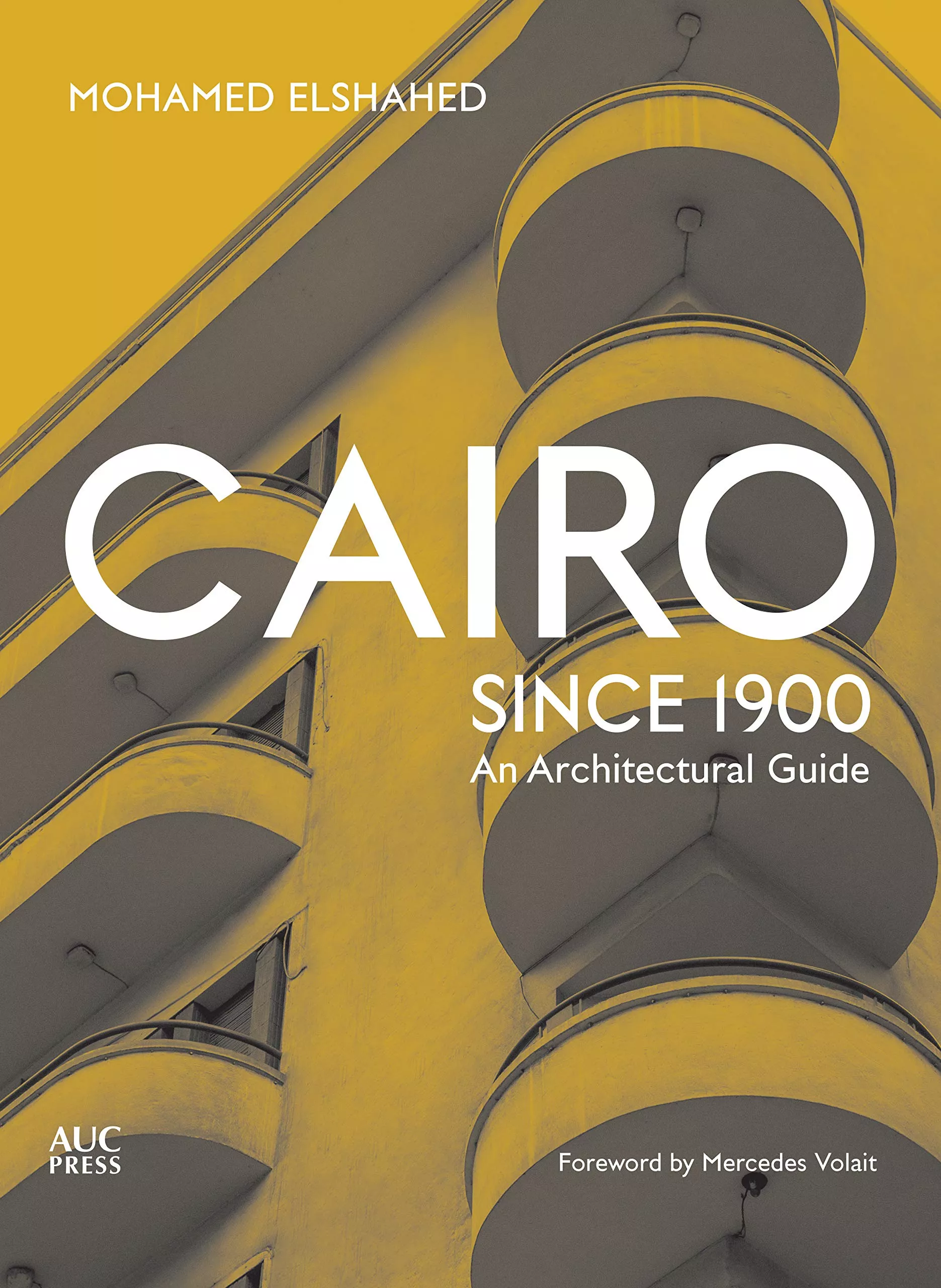
Cairo Since 1900: An Architectural Guide
J. Trevor Williams
Mohamed Elshahed
2019, AUC Press, 978-9-77416-869-7, $39.95 pb.
Author Mohamed Elshahed argues that modernism, the clean-lined, functional architectural style prevalent in the 20th century, was institutionally forgotten in Egypt amid a flurry of state-led building projects after the revolution of 1952 and now faces the threat of erasure. Structures less than a century old fail to qualify for heritage status, leaving many in disrepair and subject to demolition to make way for buildings that “lack any architectural point of view.” Elshahed counteracts the city’s selective amnesia by cataloging the legacy of groundbreaking professionals who shaped the cityscape mainly from the 1920s onward. This compendium offers written profiles, historical photographs and renderings of 226 Cairo structures, mapped and grouped by neighborhood. The listings, some supplemented with floor plans and elevations newly drawn by Elshahed’s team, focus on modernist buildings but also reference a variety of architectural styles from Mamluk to Art-Deco apartments and Neo-Baroque department stores, as well as eclectic buildings that combine various traditions in one design.
You may also be interested in...
Owning Books and Preserving Documents in Medieval Jerusalem—Book Review
In this painstaking work, Owning Books and Preserving Documents in Medieval Jerusalem, historians Said Aljoumani and Konrad Hirschler explore a culture in which books became woven into the fabric of daily life through the case of Burhān al-Dīn Ibrāhīm al-Nāsīrī.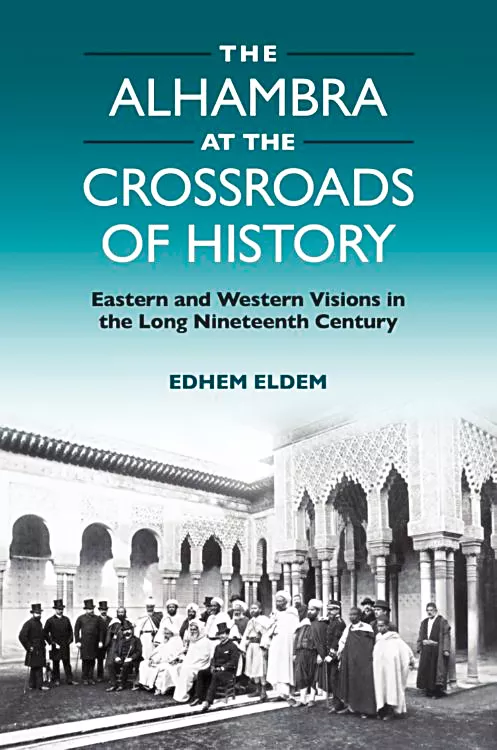
The Alhambra at the Crossroads of History—Our Book Review
The Alhambra at the Crossroads of History shows how the 13th-century Andalusi palace complex in Granada, modern Spain, generates often conflicting meanings at the same time—meanings actively constructed and sometimes misread. Edhem Eldem, an Istanbul-based history professor, traces its role in shaping social and cultural identities across imperial Europe, Arab North Africa and Ottoman Türkiye from the 18th to the early 20th centuries.