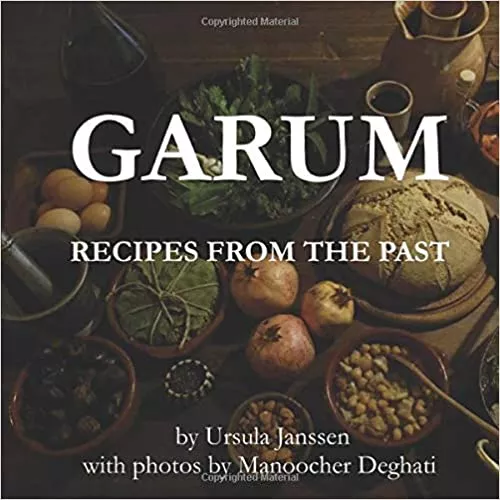
Garum: Recipes From the Past
Tom Verde
Ursula Janssen
2020, Independently Published, 979-8-63491-120-5, $32 pb.
Historical recipes, as author Ursala Janssen points out, can be difficult to interpret because they are often little more than “a list of (proposed) ingredients.” Informative and wide-ranging— borrowing from Mesopotamia to Elizabethan Europe—her book aims to offer recipes “you can actually easily do at home, in a normal household kitchen, with readily available ingredients.” Janssen does suggest substitutes for ingredients like vinegar for verjuice (the juice of unripened grapes, popular in medieval/Renaissance cuisine) or Thai fish sauce for the garum of the title, a heady concoction of fermented fish guts, a favored condiment in the Greco-Roman world. But where is one to find “2 pigeons, preferably with heart, liver, and gizzards” at the average grocery store when preparing the questionably appetizing Babylonian pigeon burger? Honey-sweetened, Roman-era cheesecake in a terracotta bowl sounds tempting. But its two cups of “white cheese” (feta? cottage?) is somewhat vague. A better volume for the armchair gourmet or food-history enthusiast than the home cook.
You may also be interested in...
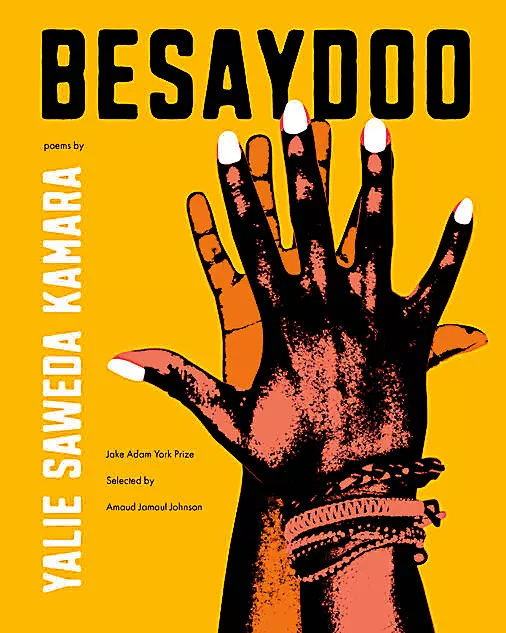
The Two Worlds of Saweda Kamara's Besaydoo: Poems—Our Book Review
Yalie Saweda Kamra's third poetry collection about her experience as a child of African immigrants navigating life in the US and Sierra Leone is both intellectually engaging and emotionally resonant.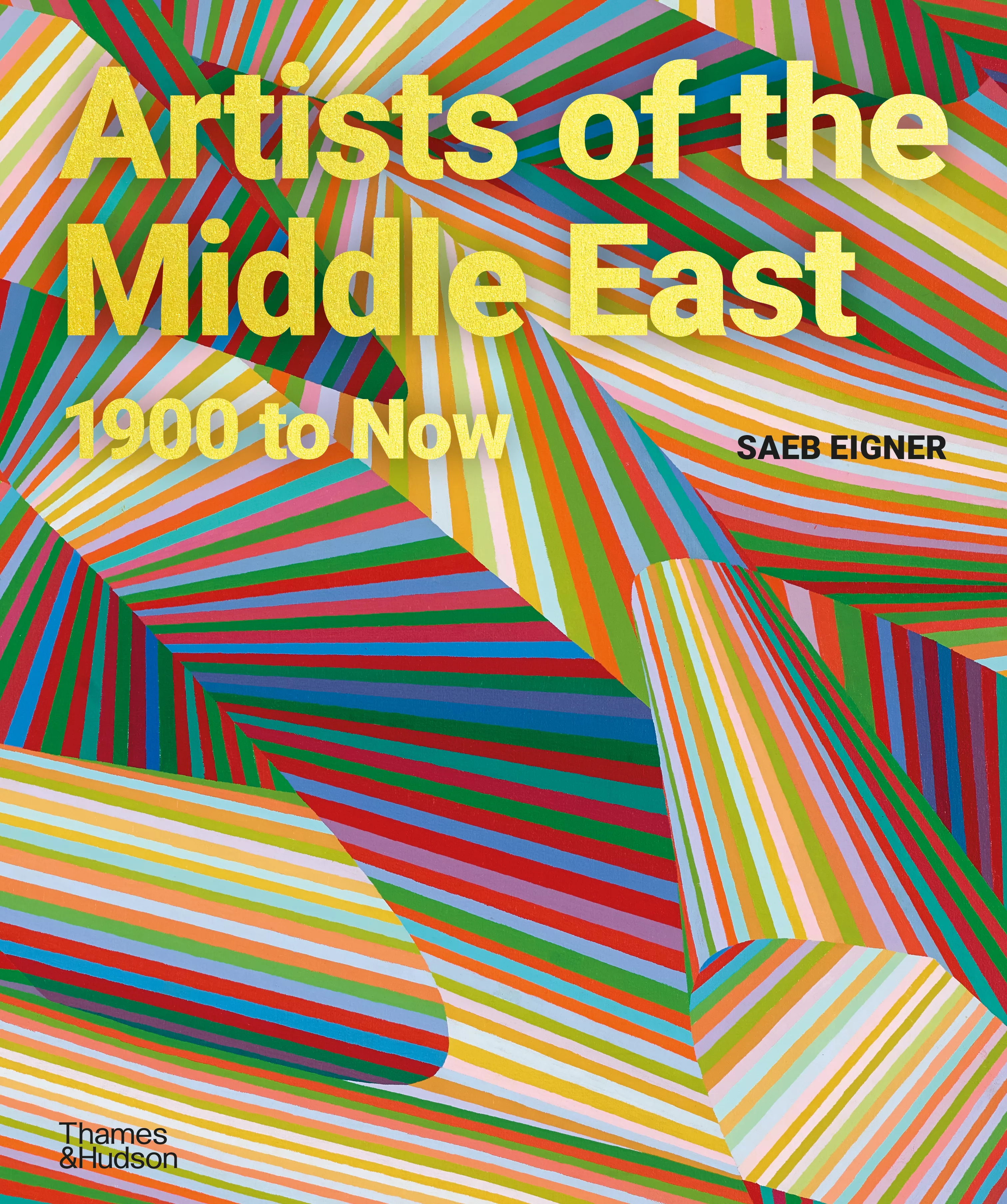
Saeb Eigner Brings Readers Closer to the Artists of the Middle East
Artists of the Middle East emphasizes the breadth of an artistic community that spans nations, styles and mediums while challenging the assumption that these artists are at once the same as each other and different from those in the West.