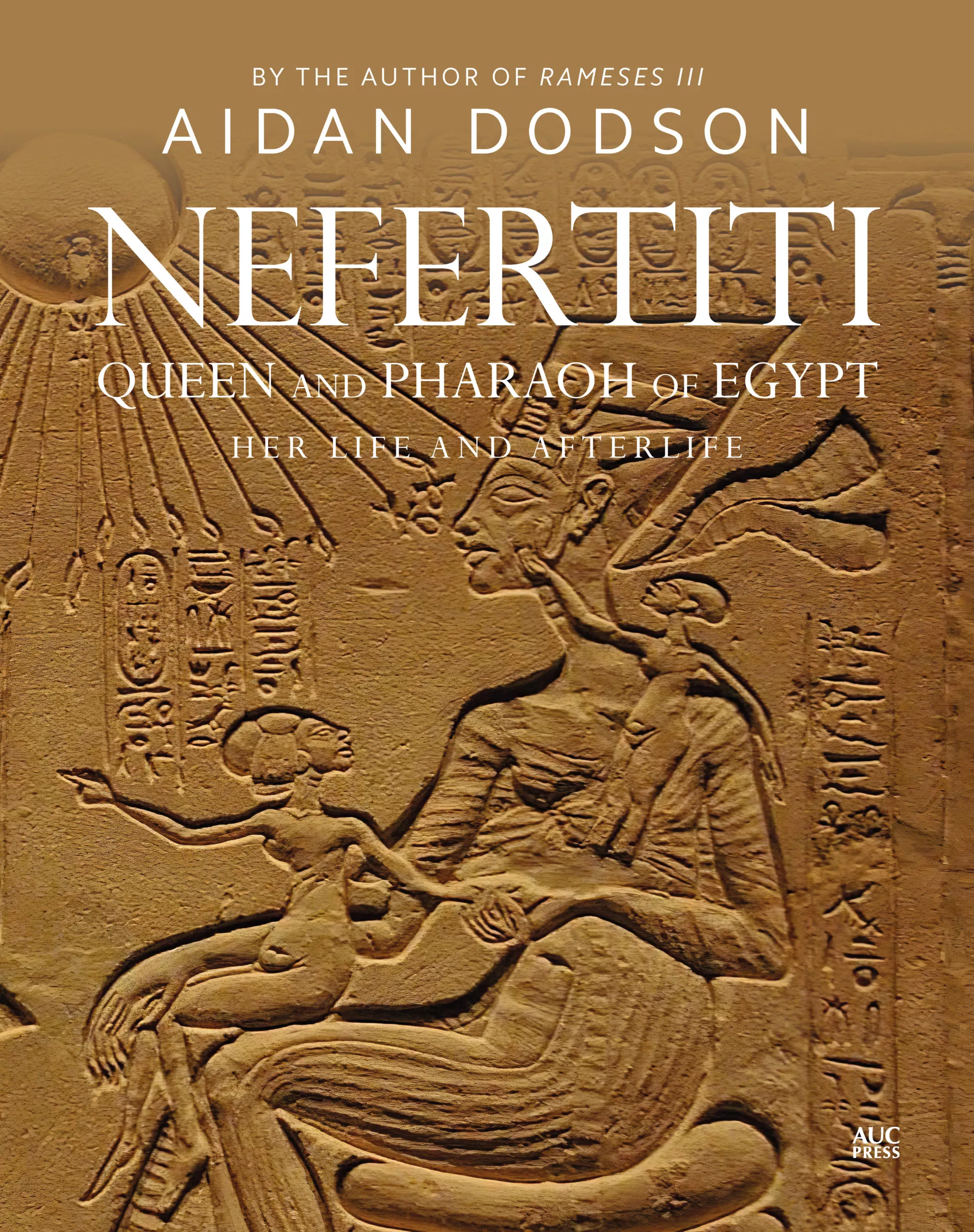
Nefertiti, Queen and Pharaoh of Egypt: Her Life and Afterlife
Alva Robinson
Aidan Dodson
2020, AUC Press, 978-9-77416-990-8, $35 hb.
This book is thus intended not only to explore what we can reconstruct of the life of Nefertiti, but also to trace the way in which she and her image emerged...
—Aidan Dodson
The unearthing of Nefertiti's 3,000-year-old bust in 1912 has captivated millions and helped cement her iconic status in popular imagination, but Aidan Dodson, an Honorary Professor of Egyptology at AUC, has set out to identify and contextualize the New Kingdom pharaoh. Dodson goes beyond the scholarship before him by meticulously chronicling the life of Nefertiti, beginning with her marriage to Pharaoh Amenhotep IV, and offers new theories on her origin. Dodson breaks down iconographic evidence etched in stele, tombs and other artefacts to reveal her parentage, relationships, roles and titles. Along the way, he challenges the reader to view her as more than just within “the shadow of her husband” and proposes an embodiment beyond a royal wife and mother, or even a king’s queen. Nefertiti was a warrior. She was Neferneferuaten, “a fully fledged female king,” Dodson writes. In assessing her life, her connection to the historic memory of Egyptians and the struggle against her erasure from history, Dodson illuminates Nefertiti “beyond being simply a name.”
You may also be interested in...
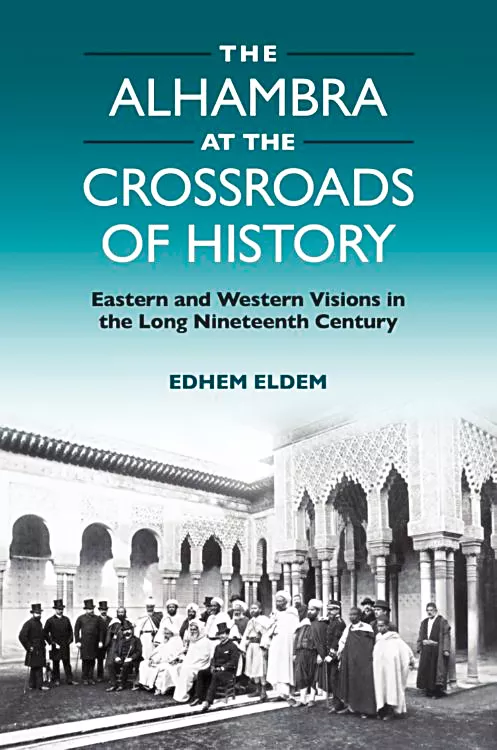
The Alhambra at the Crossroads of History—Our Book Review
The Alhambra at the Crossroads of History shows how the 13th-century Andalusi palace complex in Granada, modern Spain, generates often conflicting meanings at the same time—meanings actively constructed and sometimes misread. Edhem Eldem, an Istanbul-based history professor, traces its role in shaping social and cultural identities across imperial Europe, Arab North Africa and Ottoman Türkiye from the 18th to the early 20th centuries.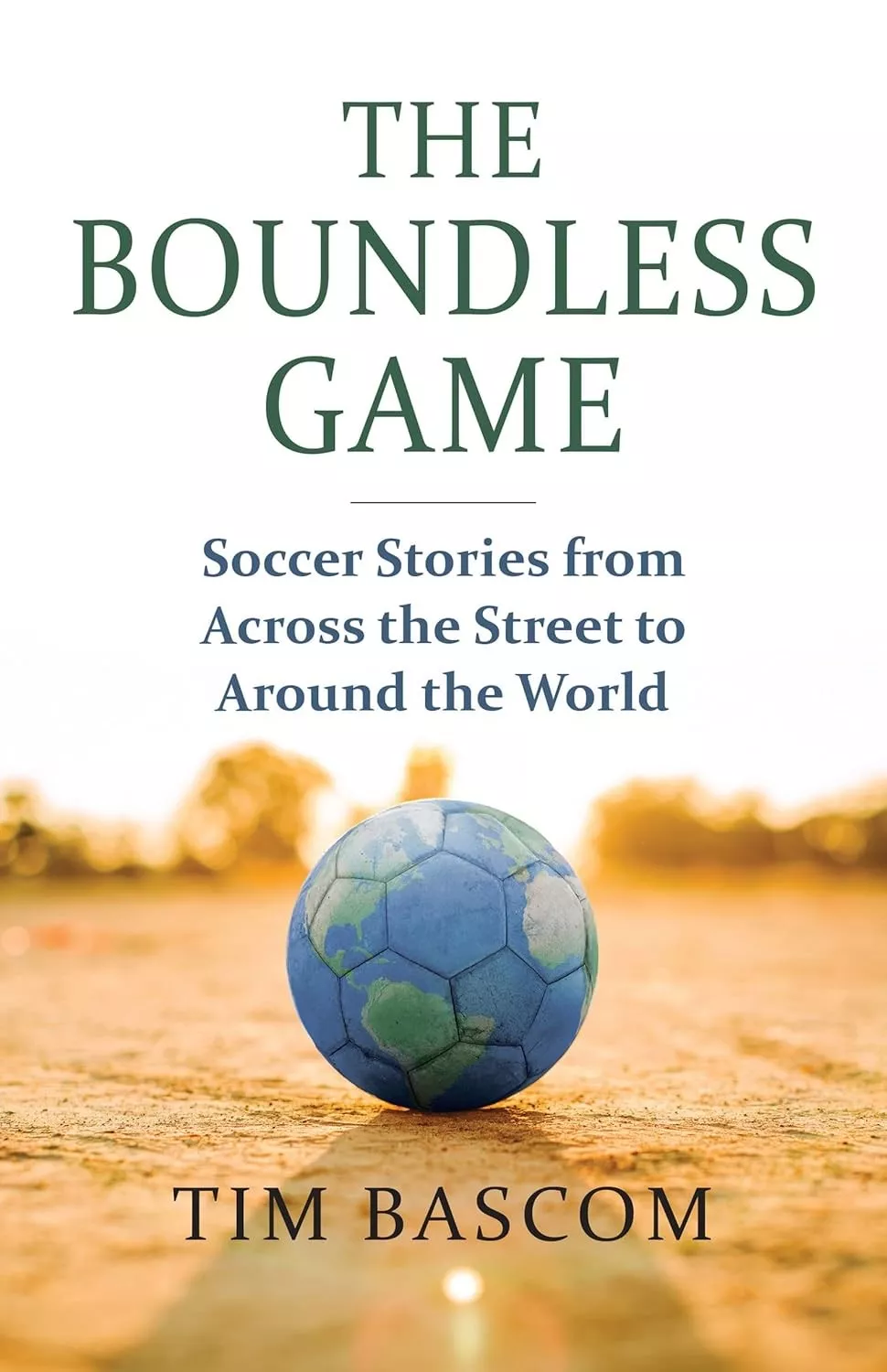
Memoir Paints World’s Biggest Game as Great Connector—Our Book Review
Tim Bascom transforms a lifetime of playing football across five continents into a meditation on belonging, arguing that the game’s great gift is not the goals but the wordless understanding it creates among people.