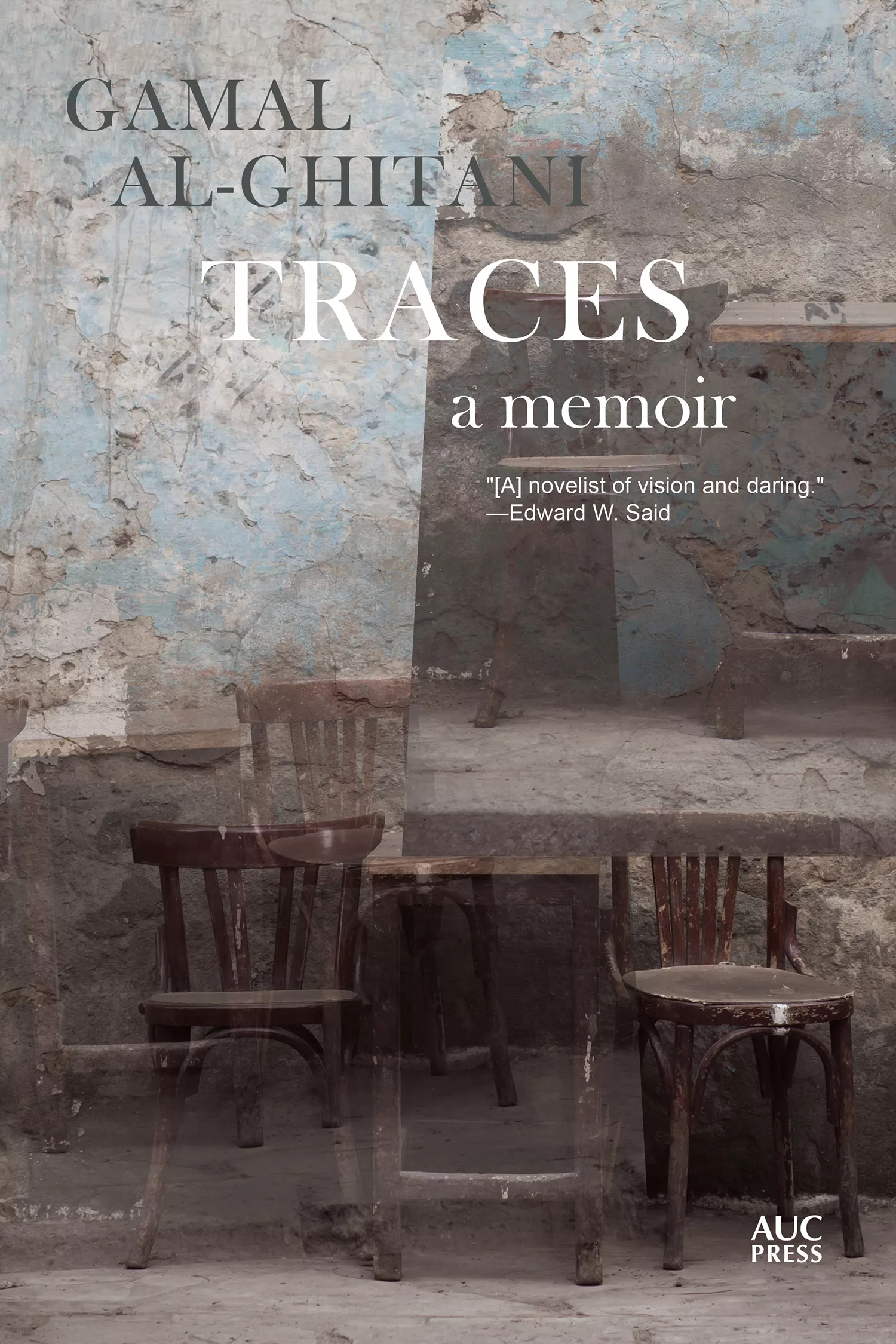
Traces: A Memoir
Mae Ghalwash
Gamal al-Ghitani. Nader K. Uthman, tr.
2020, AUC Press, 978-9-77416-953-3, $25 pb.
The essence of this memoir lies in its opening epigraph, “As if life were a memory,” by acclaimed Egyptian poet Fuad Haddad (1927–1985). Al-Ghitani (1945–2015), a renowned writer himself, recounts his life through passages of fleeting thoughts, emotions and disjointed memories. Originally written in 2005 in Arabic, Uthman's translation maintains the memoir’s integrity and haunting spirit. Before his 2015 passing, the celebrated Egyptian author wrote more than a dozen novels, winning state and international awards. This work presents vintage al-Ghitani, with his sensitive pondering of life, melancholic probing of the past and existential questions. It's an invitation into his mind, with even the shortest instances and thoughts recorded. Al-Ghitani brings to life his childhood neighborhood in Old Cairo, his favorite food vendors and explores his and his father’s parenting abilities. Traces seems to transcend temporality and physicality, as al-Ghitani switches between reality, thoughts and dreams, often only hinting at locations and era. But al-Ghitani masterfully weaves his life's vignettes together with a dream-like quality, making the memoir a pleasure to be swept up in.
You may also be interested in...

Architecture and Affect in the Middle Ages—Our Book Review
Author Paul Binski takes readers on a multisensory tour of medieval cathedrals across Europe.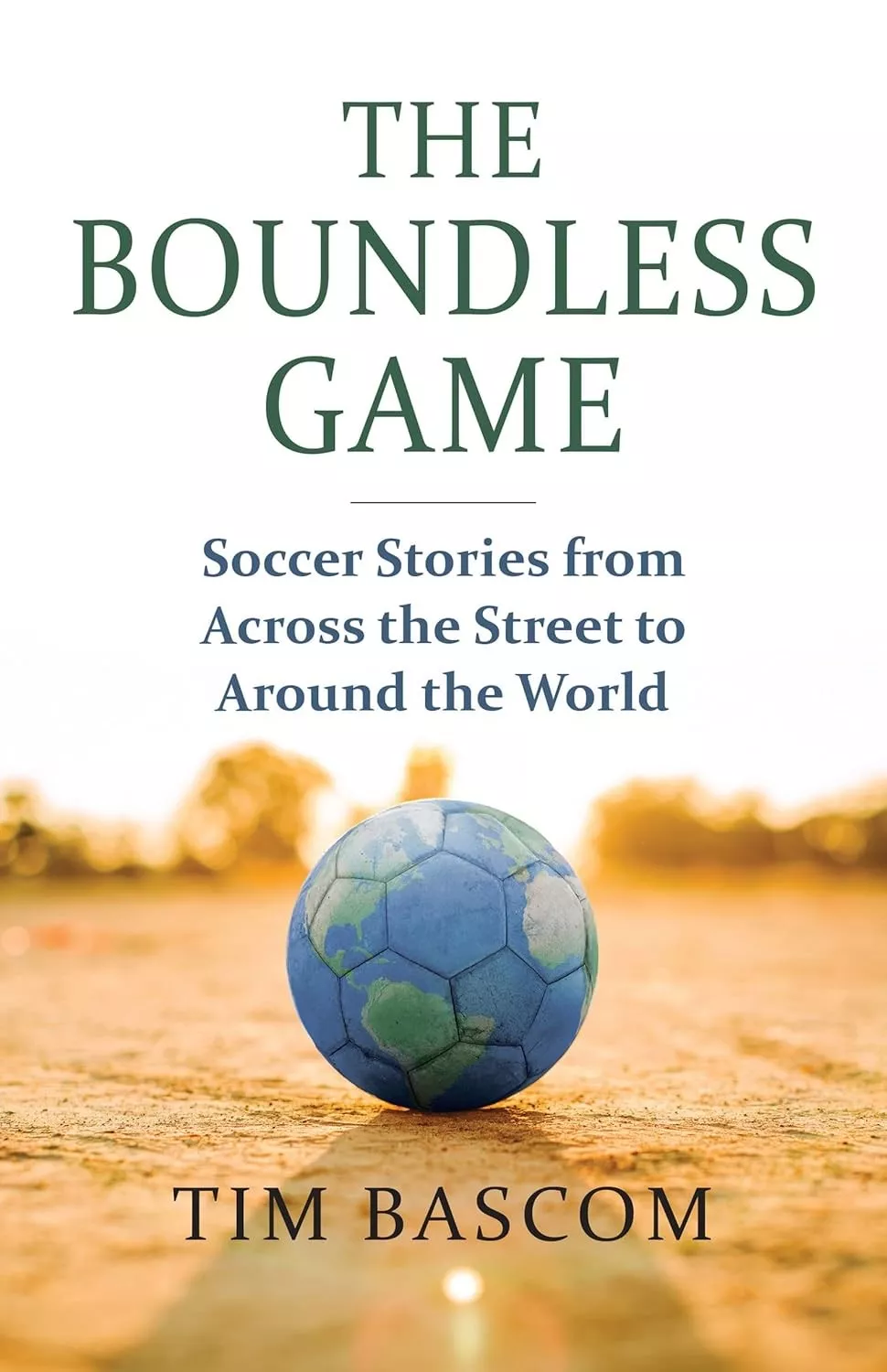
Memoir Paints World’s Biggest Game as Great Connector—Our Book Review
Tim Bascom transforms a lifetime of playing football across five continents into a meditation on belonging, arguing that the game’s great gift is not the goals but the wordless understanding it creates among people.