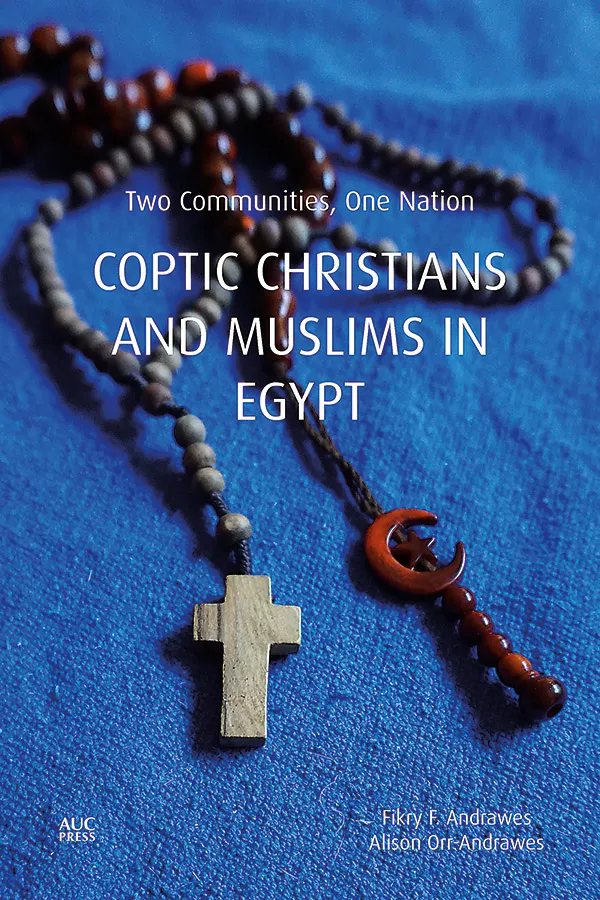
Coptic Christians and Muslims in Egypt: Two Communities, One Nation
Caroline Stone
Fikry F. Andrawes and Alison Orr-Andrawes.
AUC Press, 2019.
"Few countries have appeared in the history books, and also the newspapers and television broadcasts, quite as much as Afghanistan."
—Preface to Historical Dictionary of Afghanistan
This book examines Egypt’s cultural landscape from when its people became Coptic speaking and Christian, in the first century CE, through their subjugation by external powers beginning in the seventh century CE, when they became predominantly Arabic speaking and Muslim. The shifting balance between the two groups, with periods of persecution, alternating with relative tolerance, is described, through the time of European colonization in 1798 and up to the present. The authors, one Egyptian and the other having extensive experience in the country, originally published this work in Arabic. This English version reflects upon the Egyptian Revolution in 2011 and after. A clear and very readable account, it includes translations of several Coptic and Arabic sources, otherwise not easily available.
—Caroline Stone
You may also be interested in...
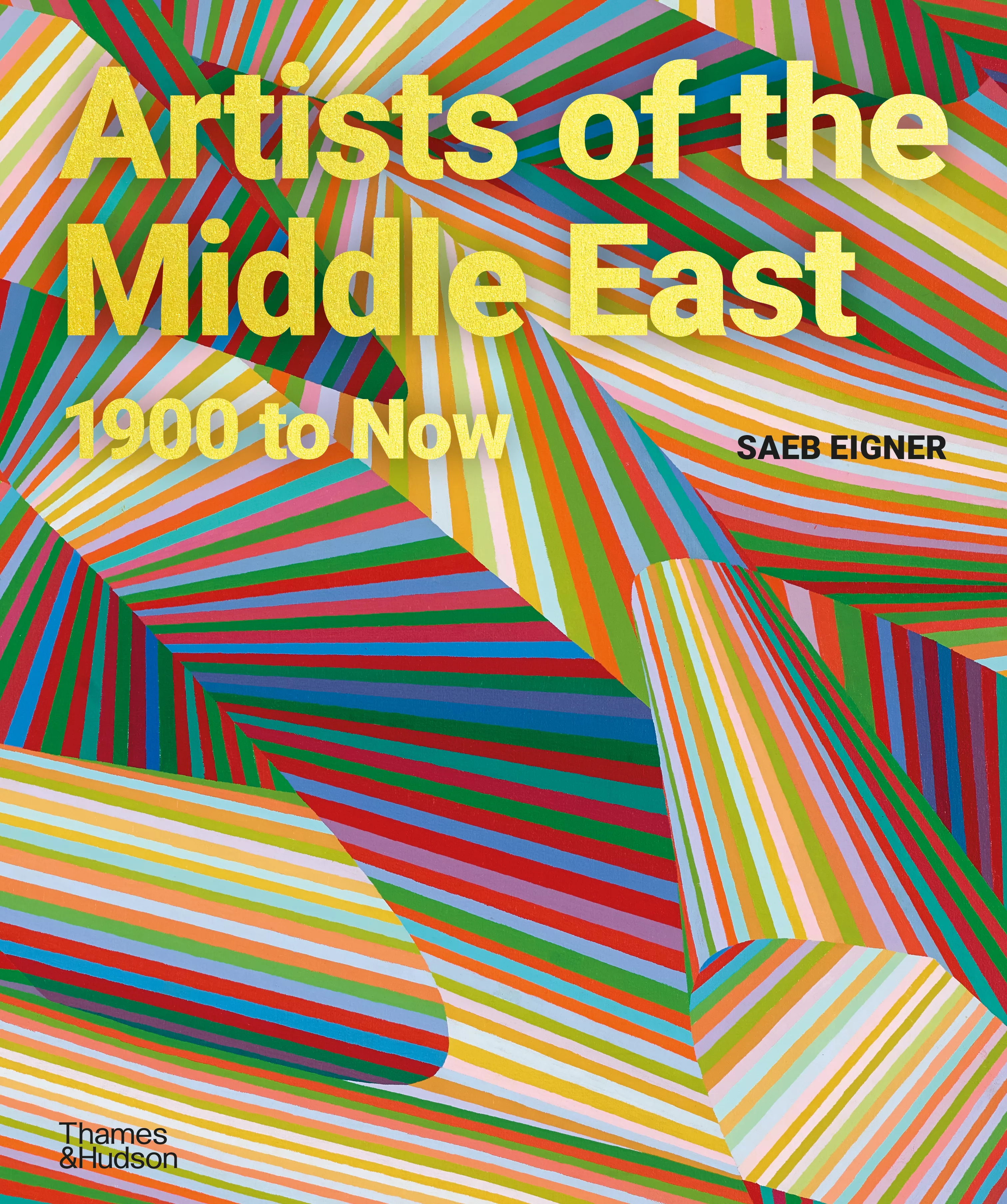
Saeb Eigner Brings Readers Closer to the Artists of the Middle East
Artists of the Middle East emphasizes the breadth of an artistic community that spans nations, styles and mediums while challenging the assumption that these artists are at once the same as each other and different from those in the West.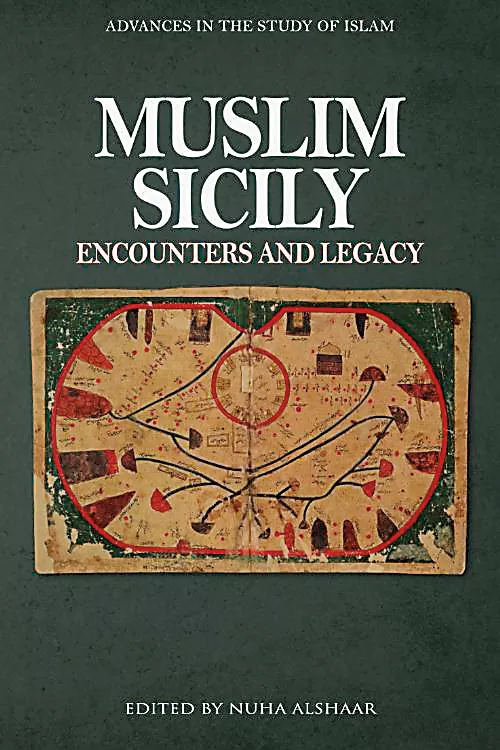
Nuha Alshaar’s Essay Compilation Muslim Sicily—Our Book Review
What emerges from this volume by Nuha Alshaar, a professor of Arabic literature and Islamic studies, is a rounded picture of Sicily as a site of cultural exchange that shaped the medieval Mediterranean.