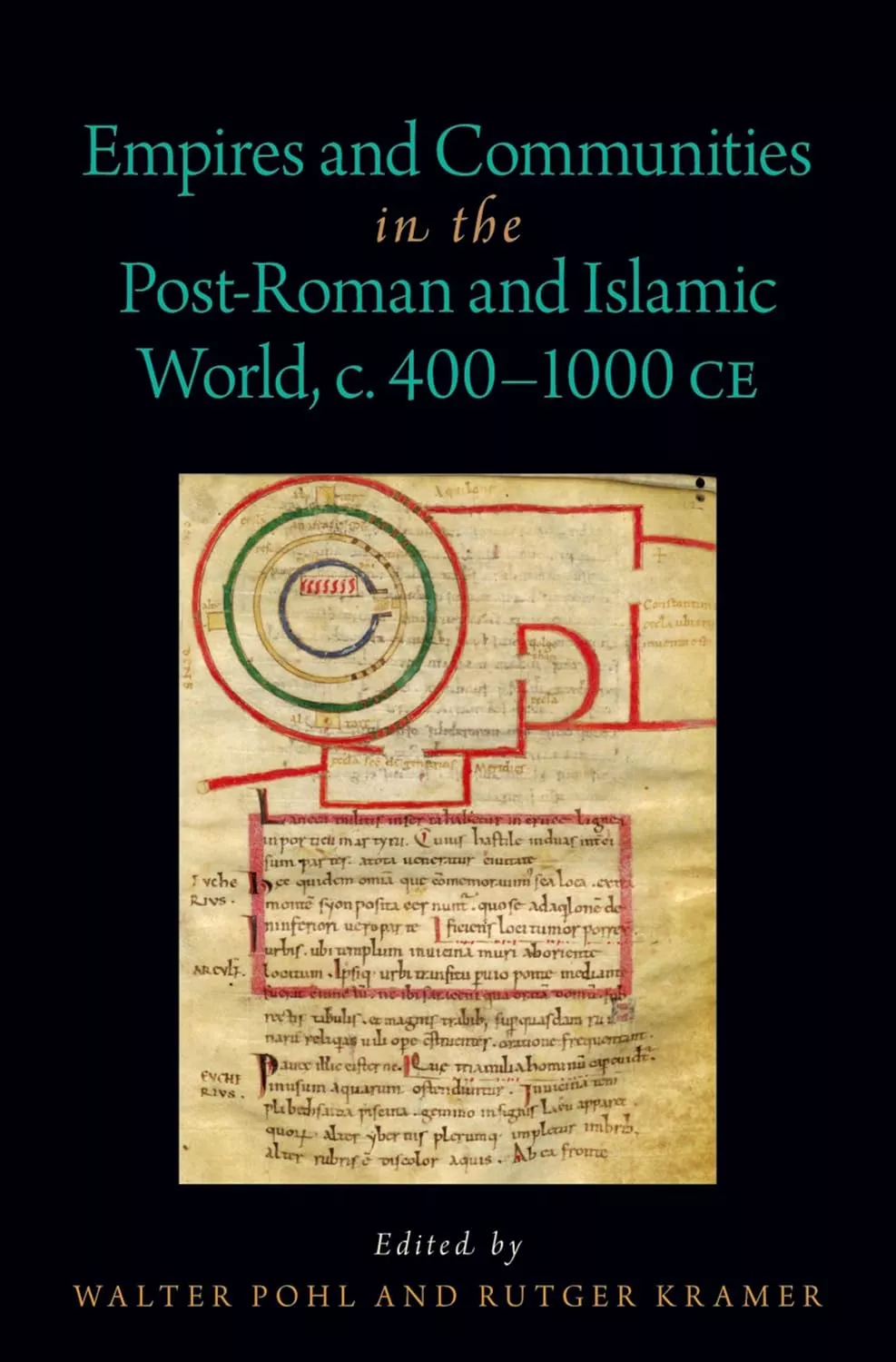
In the Aftermath of Rome's Collapse, These Communities Shaped the Mediterranean
Reviewed by Robert W. Lebling
Empires and Communities in the Post-Roman and Islamic World, c. 400-1000 CE
Rutger Kramer and Walter Pohl, eds. Oxford University Press, 2021.
“Every empire is a large collection of communities, of many different types, overlapping as community identity overlaps. Some of them are weak, some strong, and—in the latter case—they are both important for the effective use of central power and potentially dangerous if consent to that power is withdrawn.”
This collection of 13 academic papers examines how various small communities interacted with and influenced those ruling over them in the aftermath of the Roman Empire’s collapse. Using a comparative lens, the collection focuses on three regions of the post-Roman Mediterranean, from 400 CE to 1000 CE: the Latin West, Byzantium and the early Islamic world. These analyses cover aspects of how the Roman world transformed other regions during this period, including how the Islamic caliphate accommodated Egyptians after the Arab conquest around 640 CE and the 796 CE integration of the pre-Basque Aquitanian tribe of southwest France into the Carolingian empire. Taken altogether, this compilation traces how the dissolution of fifth century CE Western Rome and the fall of the Abbasid caliphate more than 700 years later led to the establishment of very different polities in their wake.
You may also be interested in...
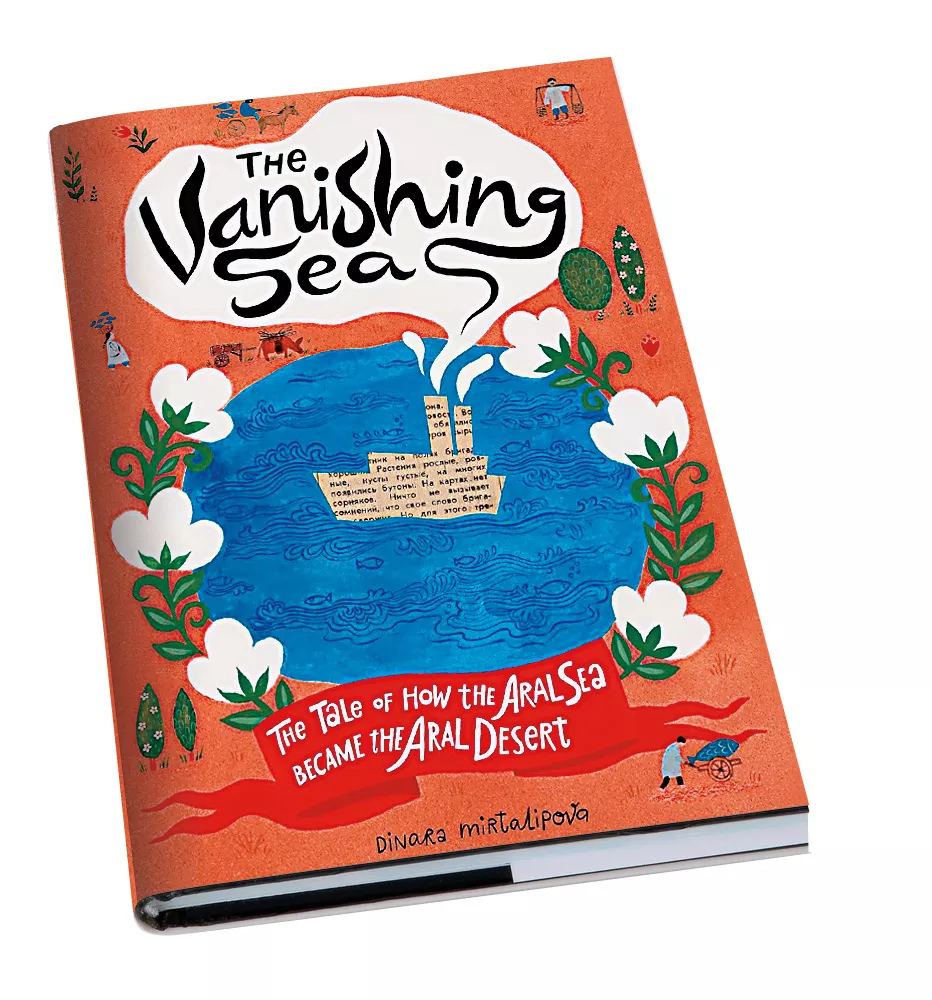
The Vanishing Sea by Artist Dinara Mirtalipova—Our Book Review
How often do we take nature for granted, assuming it will never vanish? In US-based folk illustrator Dinara Mirtalipova’s new children’s book, a sea is the main character: the one that provides livelihood and prosperity, until humans’ poor choices cause its demise.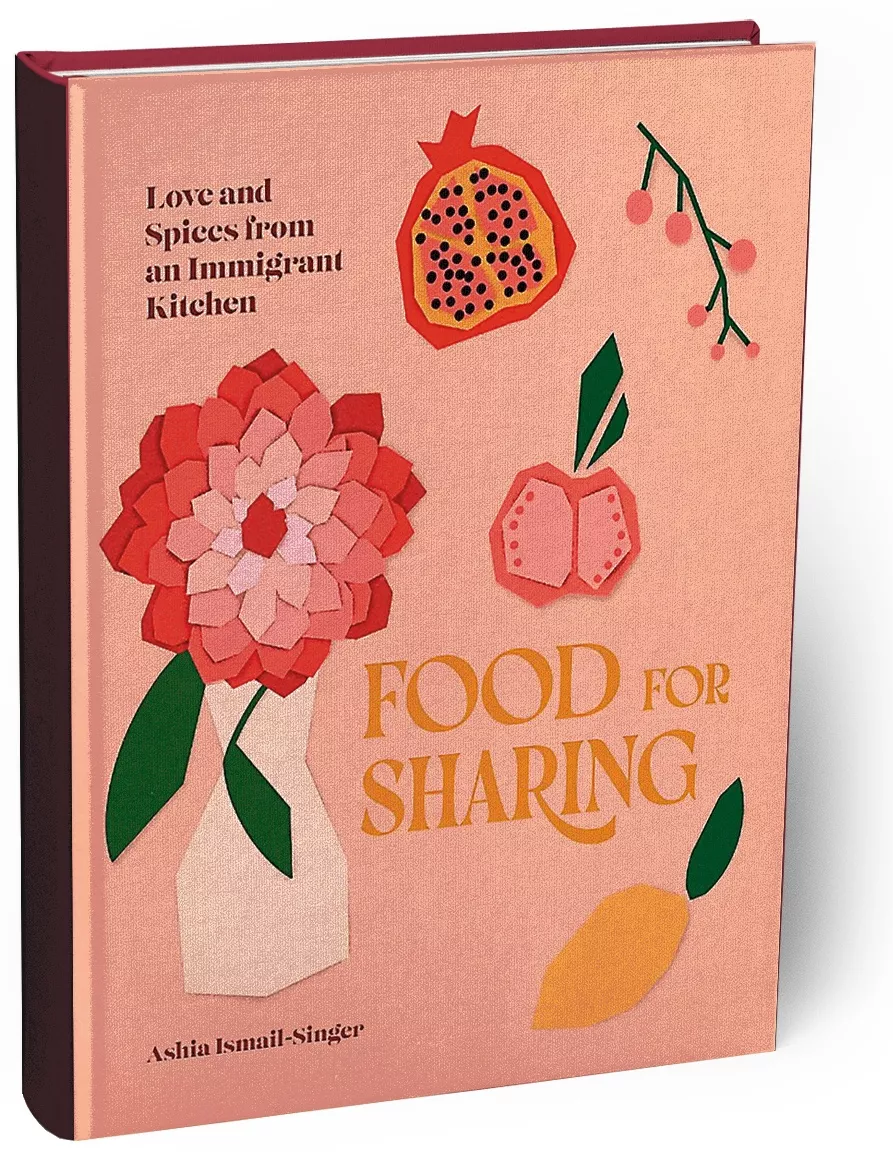
Cookbook Food for Sharing by Ashia Ismail-Singer—Our Book Review
In her third cookbook, Food for Sharing, Ashia Ismail-Singer groups recipes by the social occasions they accompany—presenting food as a means of connecting with cultures around the table.