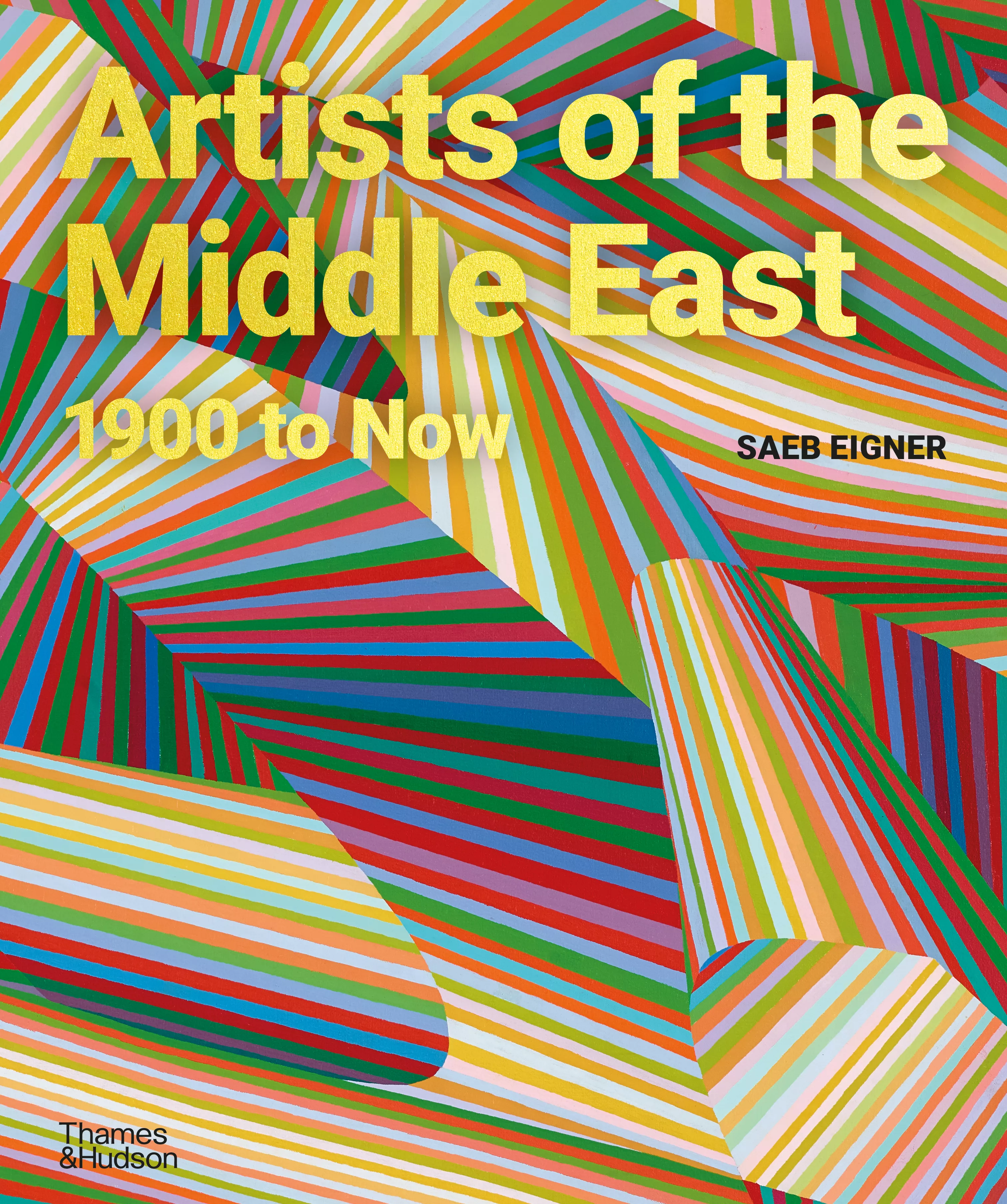
Saeb Eigner Brings Readers Closer to the Artists of the Middle East
Written by Roza Melkumyan
Artists of the Middle East: 1900 to Now
Saeb Eigner. Thames & Hudson, 2025.
“Artists are brave, mostly insufficiently supported, and yet energised by hope and self-belief. … Many reciprocate kindness with warmth. Most are wonderfully inspiring. They respond to the injustices and turmoil of our time, while remaining focused on the beauty and poetry around them.”
The first comprehensive survey of its kind, Saeb Eigner’s Artists of the Middle East offers more than just an appreciation of modern and contemporary Middle Eastern art; it brings the audience closer to its artists. Brought up in both the West and Middle East, where he experienced the region’s art through the eyes of his Austrian father and Lebanese mother, Eigner is well positioned to challenge certain Western assumptions about the supposed cultural homogeneity of Middle Eastern art. In touching on the works of more than 250 culturally significant artists in the region, he not only emphasizes the immense breadth of an artistic community that spans nations but reveals that within this larger community, there exists a multitude of artistic styles and mediums. At the same time, he challenges a second assumption, built upon the first, that these people are at once the same as each other and different from those in the West. Eigner writes in the preface that he is fortunate to have built friendships with these artists, allowing them—as well as their friends, families and colleagues—to speak openly, “sharing experiences and a perspective on their work that would otherwise have been difficult to obtain.” Where applicable throughout the book, he weaves his own personal stories—meaningful encounters he experienced with an artist or their work—into the larger biographies, inviting the reader to dive into their personal worlds as they preserve, reshape and negotiate their own cultural identity through migration, political upheaval and artistic exchange. Eigner cuts through to the humanity of the artist, allowing the reader to empathize and thus understand the art more intimately. In so doing, he is perhaps removing the rope barrier or glass case that a museum might use to separate artist from viewer, and here helps the reader begin to see that art as an expression of human emotion—of love, loss, fear, anxiety, anger, reverence, resilience, wonder and joy.
You may also be interested in...
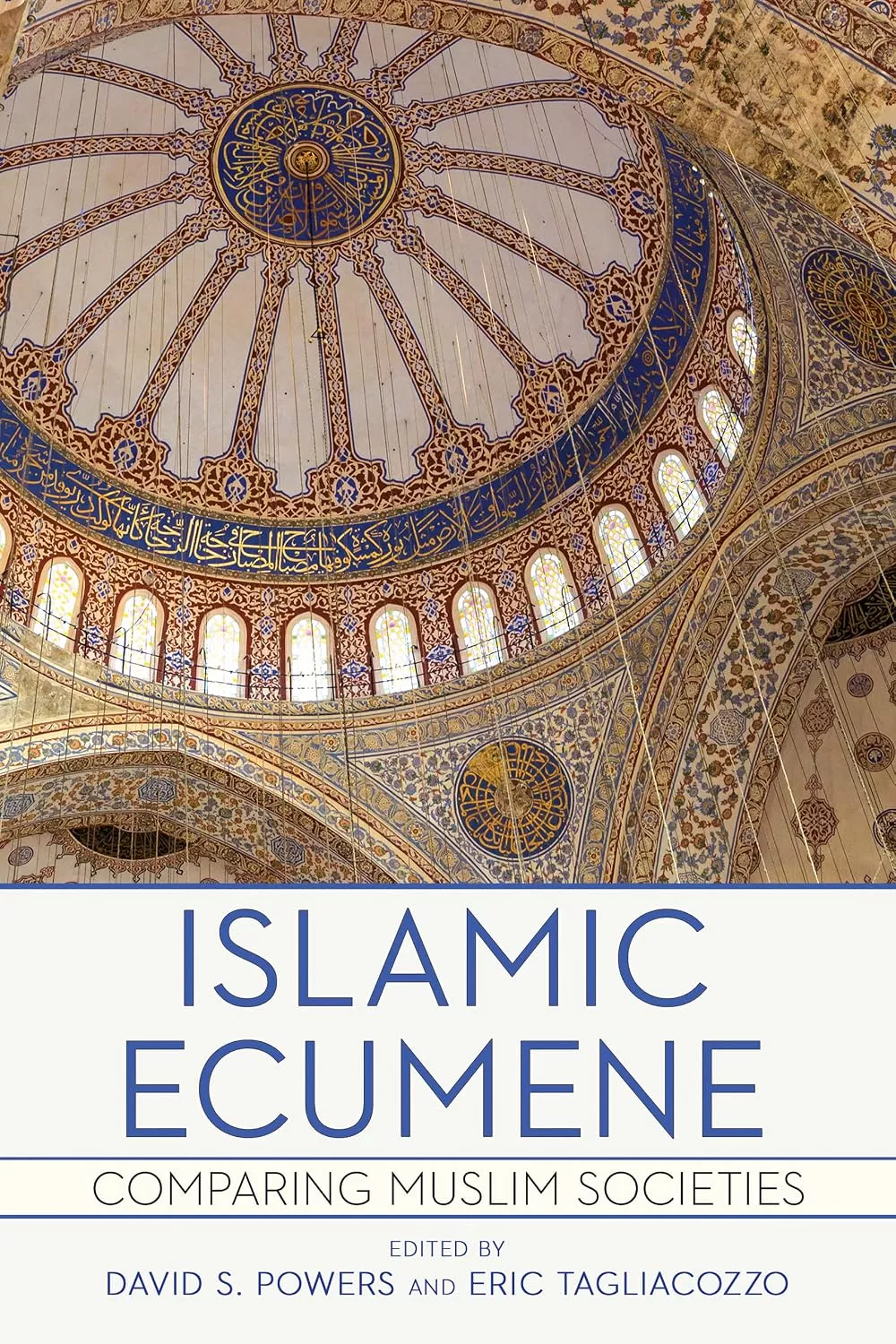
Essay Collection Islamic Ecumene Reveals Complexity—Our Book Review
This collection posits that the Muslim world is historically layered, shaped by centuries of regional choice, encounter, translation and experience.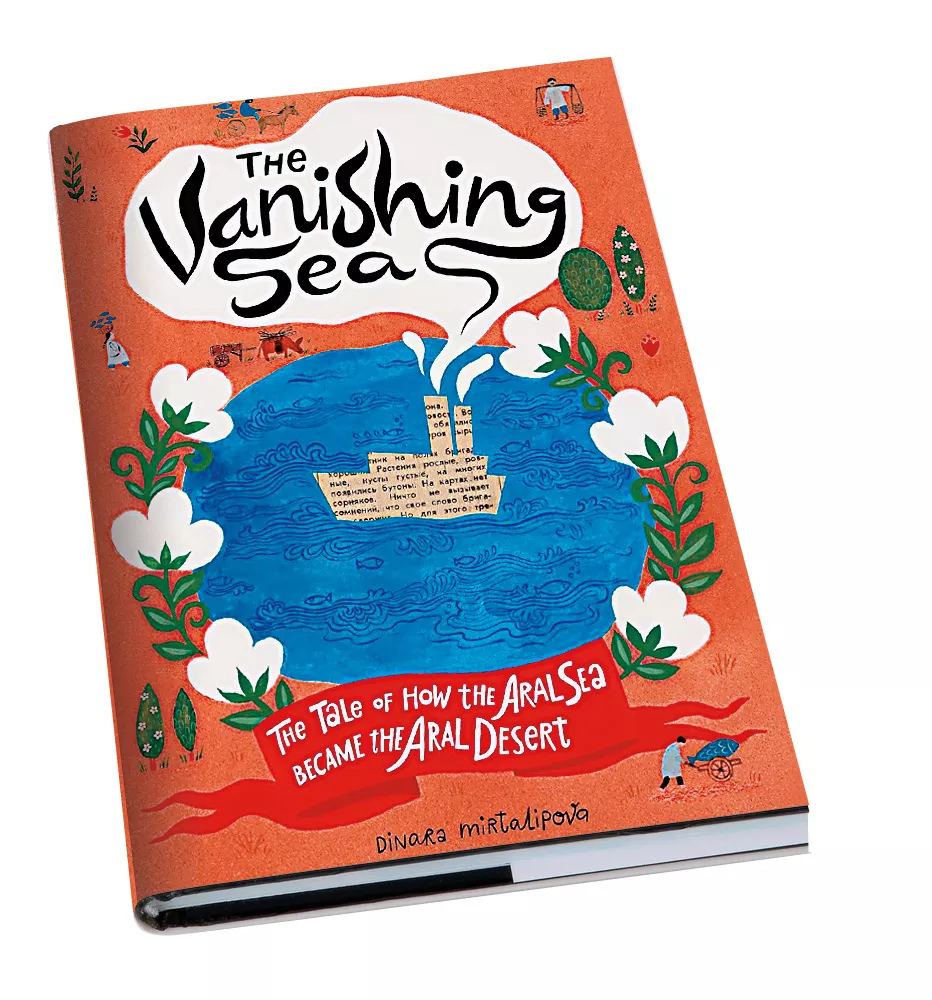
The Vanishing Sea by Artist Dinara Mirtalipova—Our Book Review
How often do we take nature for granted, assuming it will never vanish? In US-based folk illustrator Dinara Mirtalipova’s new children’s book, a sea is the main character: the one that provides livelihood and prosperity, until humans’ poor choices cause its demise.