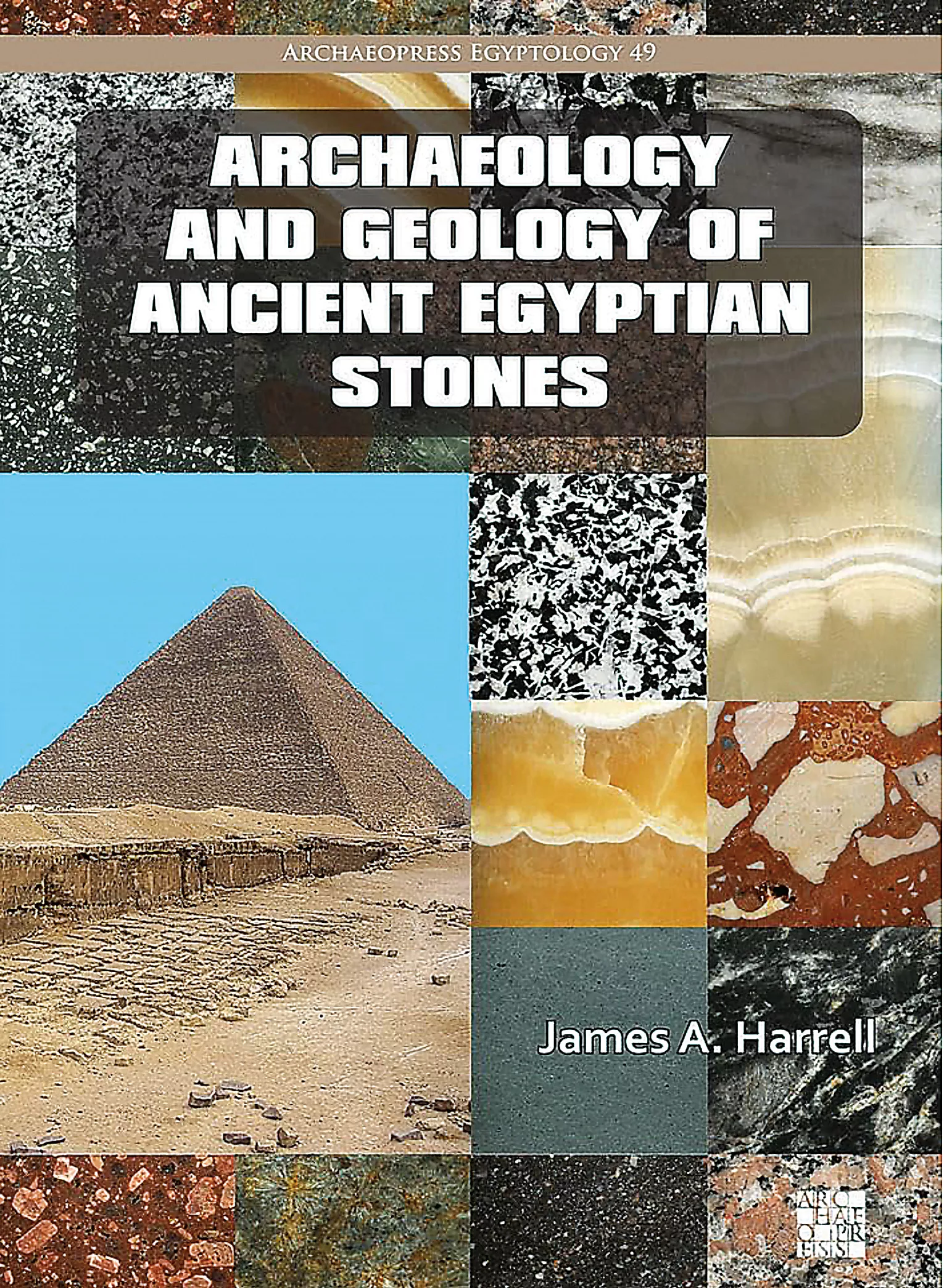
Archaeology and Geology of Ancient Egyptian Stones—Book Review
Robert W. Lebling
Archaeology and Geology of Ancient Egyptian Stones
James A. Harrell. Archaeopress Publishing, 2024.
"Two persistent problems in Egyptology have been the geological identification of stones, and the recognition of their sources. The former has been exacerbated by frequent misidentifications, especially by archaeologists and other non-geologists, whereas the latter problem arises from a lack of appreciation by past scholars of the archaeological importance and richness of ancient mines and quarries."
Spanning three decades of fieldwork, Archaeology and Geology of Ancient Egyptian Stones is as vast as its subject: the stones ancient Egyptians used to shape their civilization. A massive text of more than 1,000 pages, it identifies those stones geologically and traces their sources wherever possible, uniting geology, archeology and cultural history in one monumental reference. Egyptian stones, retired geology professor James A. Harrell explains, fall into five broad categories: building stones for temples and tombs; utilitarian stones for tools, weapons and pigments; ornamental stones for statues and sarcophagi; gemstones for jewelry and amulets; and source stones processed for metals such as gold and copper. From this framework emerges a vivid picture of how Egyptians worked the land itself. In Aswan, for example, workers used stone pounders to remove corners and edges of boulders, often first setting fires to fracture its bedrock-a blend of heat and force that turned geology into craft. Harrell's achievement lies not only in scope but verification. He links tool marks to techniques and samples to sources, standardizing identifications that will aid museums and conservators. In an age when ancient quarry landscapes face modern extraction, this book stands out as both a reference and reminder-a modern monument carved from the same endurance it documents.
More From AramcoWorld
Kohl: The Beauty and Science of Ancient Egyptian Eyeliner
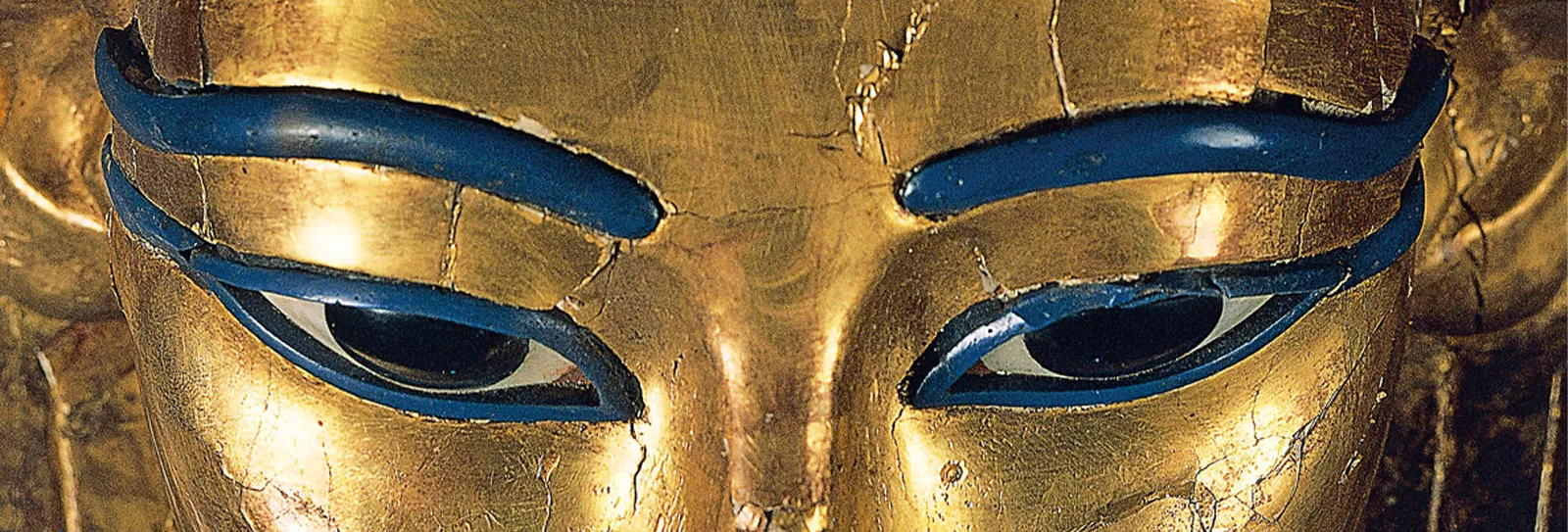
How Minerals, Craft and Chemistry Shaped Daily Life in Ancient Egypt