A History of Mali’s National Drink Traces Green Tea—Book Review
Aibarshyn Akhmetkali
A History of Mali's National Drink: Following the Tea Ritual from China to West Africa
Ute Röschenthaler. Brill Publishing, 2023.
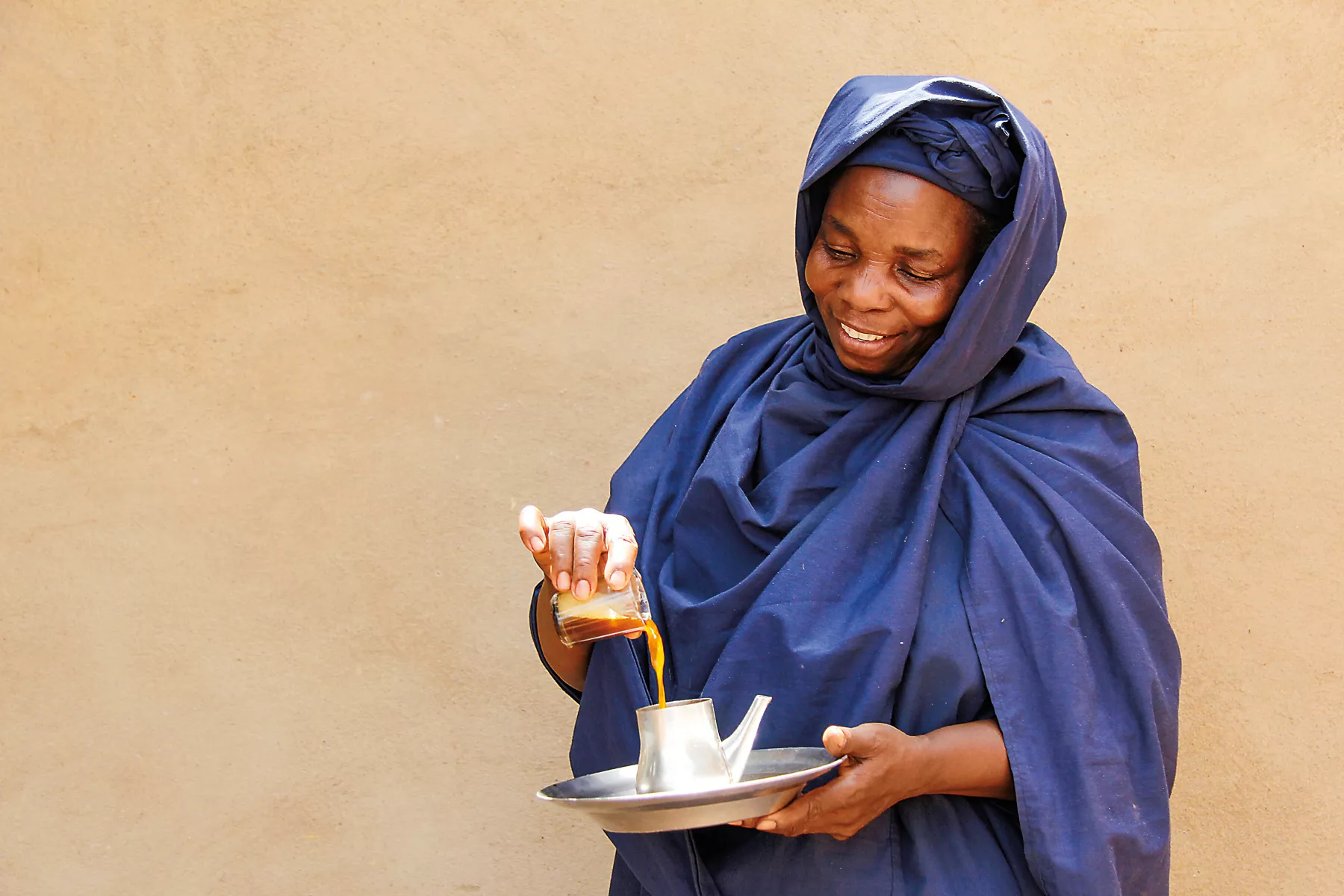
In 2005, while attending a tea ceremony in Bamako, the capital of Mali, where serving tea punctuates daily life across courtyards, offices and roadside stalls, anthropologist Ute Röschenthaler realized that green tea had become more than a national drink.
The elegance of the ritual and the warmth surrounding it revealed how Malians have transformed a leafy commodity into a distinct expression of hospitality and reflection. The moment launched her decadeslong investigation into green tea's journey from China to West Africa.
For much of the past century, scholars have explained global commodities like tea through the lens of empire-seeing them as outcomes of colonial exploitation. With A History of Mali's National Drink, Röschenthaler invites a different view. Drawing on her long study of cultural mobility and trade across the Global South, she shows that the story of tea, grown widely in Mali since the early 19th century, involves multidirectional routes and local agency. By tracing ritual instead of commerce, she uncovers a world in which adaptation itself became a creative and authorial act.
Her research highlights Mali's early participation in South-South exchange: The country's first president traveled to China in 1961 to explore tea cultivation, initiating cooperation that bypassed colonial channels. Röschenthaler also lets material culture tell its story. A teapot, she notes, changes shape with geography and class-small in China, larger in British salons and Moroccan palaces, and again small among Saharan traders, where scarcity of water and the value of tea shaped its use. Each object records local decisions about value and esthetics.
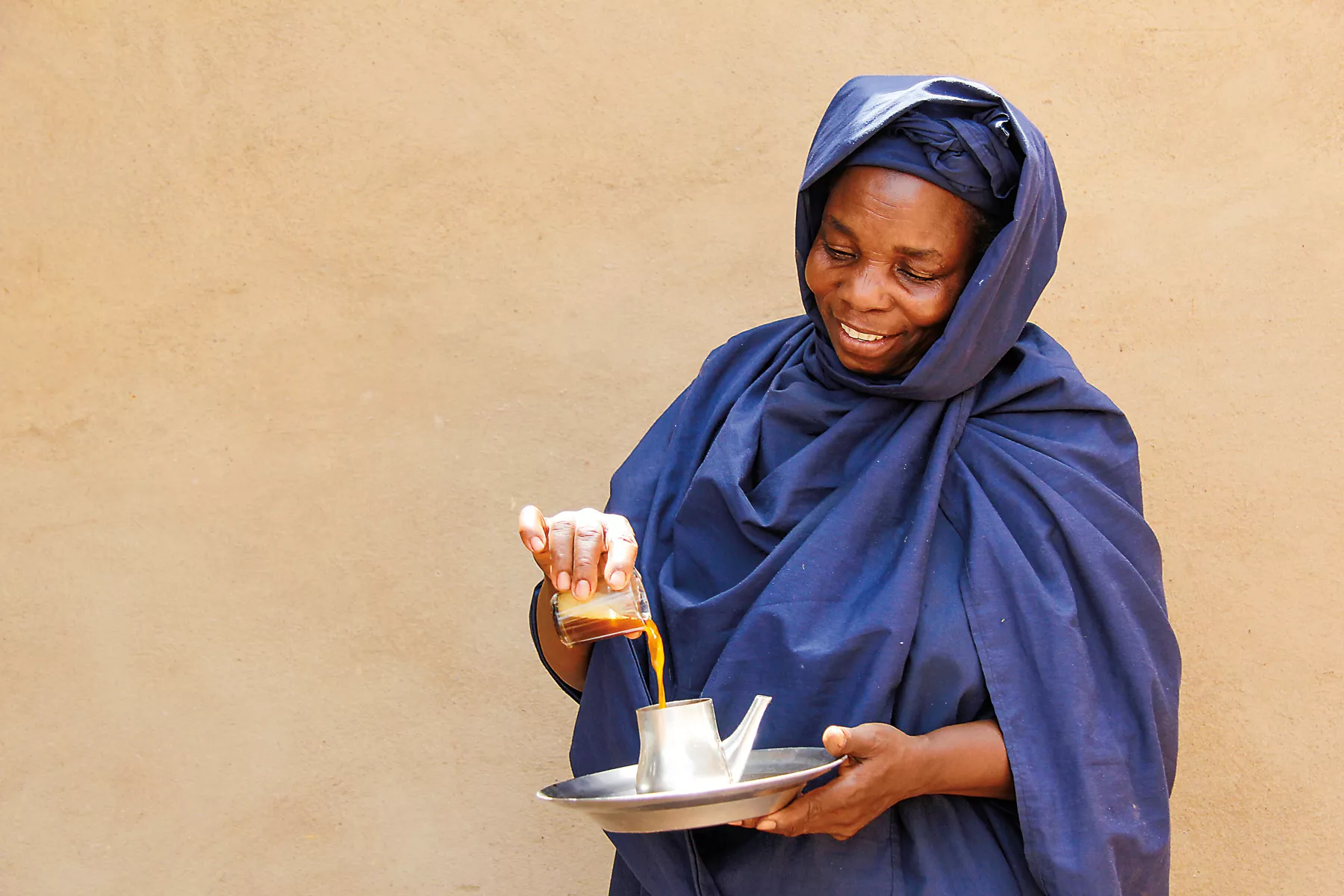
To ground these insights, Röschenthaler spent 10 months conducting ethnographic fieldwork across West Africa, visiting markets, teashops and wholesale outlets. She consulted Arabic-language texts and interviewed Mali's leading tea importers, ensuring that African voices guide the narrative from within. From the host's arrangement of teaware to the graceful pour and the custom of three rounds, she reads each gesture as a philosophy of respect, patience and conversation.
In the wake of its global movement, [tea] brought new cultures around consumption, it kick-started entire industrial sectors, supplying preparation and consumption accoutrements, and it offered novel ways of considering society. ...
Getty Images/John Images