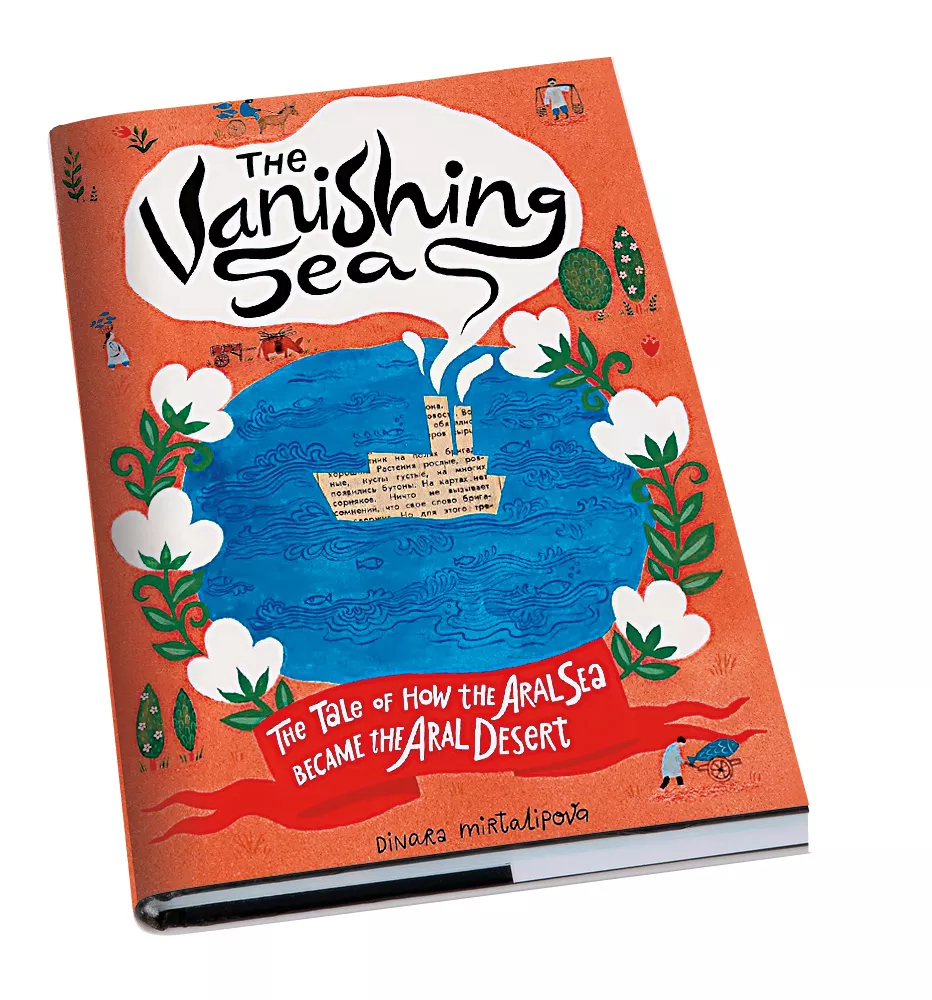
The Vanishing Sea by Artist Dinara Mirtalipova—Our Book Review
Aibarshyn Akhmetkali
The Vanishing Sea: The Tale of How The Aral Sea Became the Aral Desert
Dinara Mirtalipova. Chronicle Books, 2026.
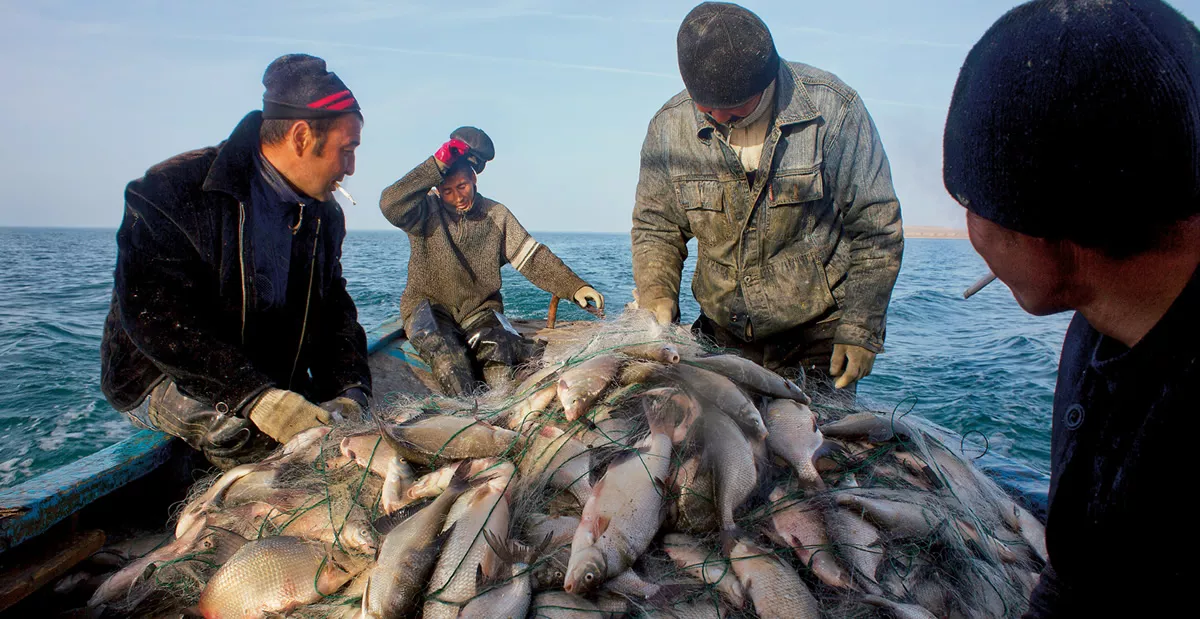
“What seemed like big mountains or, as locals call them, canyons were in fact once underwater ridges. Only some 50 years ago, they were covered with water.”
How often do we take nature for granted, assuming it will never vanish? In US-based folk illustrator Dinara Mirtalipova’s new children’s book, a sea is the main character: the one that provides livelihood and prosperity, until humans’ poor choices cause its demise. The story is based on a real desiccation of the Aral Sea, located in Central Asia between Kazakhstan and Uzbekistan. Once the world’s fourth-largest lake, it almost completely dried up within a few decades after the rivers that fed it were diverted for cotton irrigation during the Soviet period. For Mirtalipova, a native of Uzbekistan, this is also a very personal story. After traveling across the dried-up Aral seabed in 2023, she wrote and illustrated the book as a tribute to her homeland and to the memory of people whose lives were once intertwined with water. Her use of color is particularly notable for showing the shrinkage of the sea. Drawn as one continuous piece, the book’s pages gradually change from vibrant blue to ochre, signaling that the sea has been reduced to a desert. In addition to its beautiful illustrations, the book includes information about the region’s history, its once-rich biodiversity and its people. The author’s endnote conveys the powerful conservationist message: to protect and cherish what we have. The Vanishing Sea is a great picture book that teaches children to view nature as something worth protecting and to recognize the human capacity to do tremendous good as well as harm.
—Aibarshyn Akhmetkali
More From AramcoWorld
After the Vanishing: Can the Aral Sea Return?
You may also be interested in...
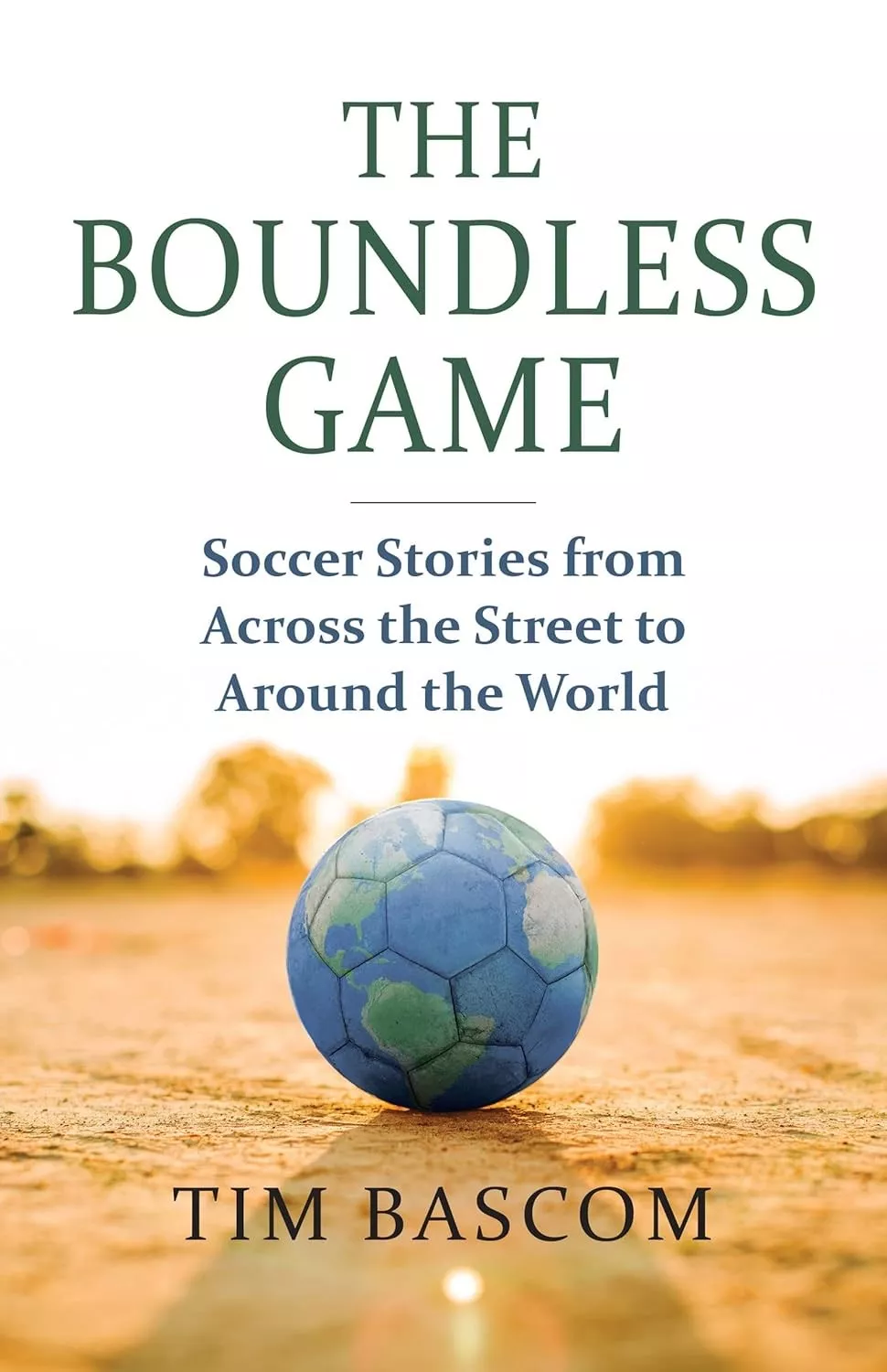
Memoir Paints World’s Biggest Game as Great Connector—Our Book Review
Tim Bascom transforms a lifetime of playing football across five continents into a meditation on belonging, arguing that the game’s great gift is not the goals but the wordless understanding it creates among people.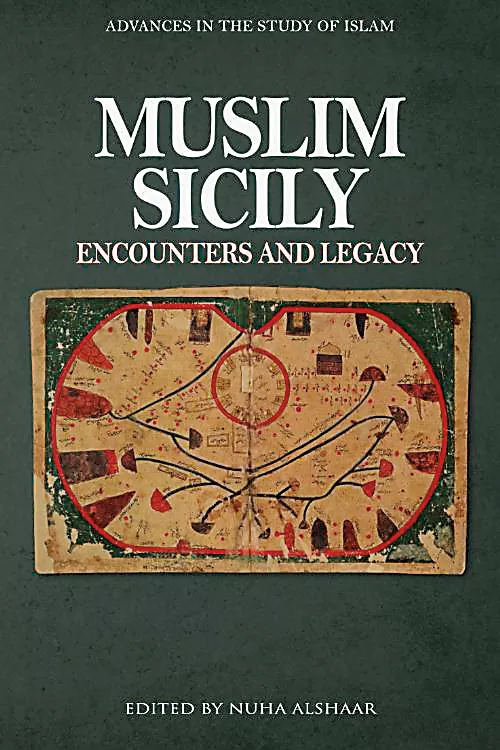
Nuha Alshaar’s Essay Compilation Muslim Sicily—Our Book Review
What emerges from this volume by Nuha Alshaar, a professor of Arabic literature and Islamic studies, is a rounded picture of Sicily as a site of cultural exchange that shaped the medieval Mediterranean.