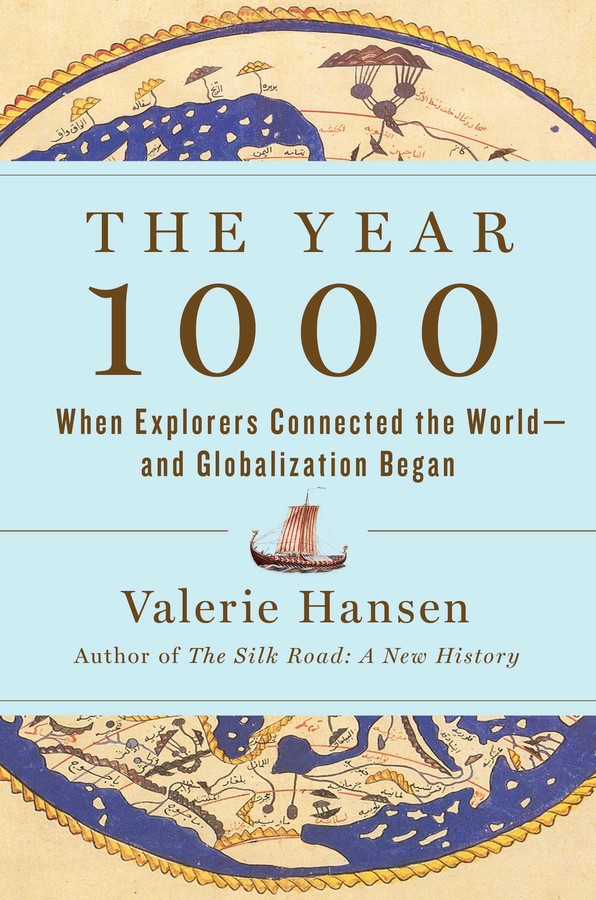
The Year 1000: When Explorers Connected the World—and Globalism Began
Tom Verde
Valerie Hansen.
2020, Scribners, 978-1-50119-410-8, $30 hb.
Yale historian Valerie Hansen pinpoints the origin of globalism, as a cultural and economic phenomenon, to around the year 1000 CE, when trade routes carrying goods, technologies, people and ideas developed to where, “For the first time in world history, an object or a message could travel all the way around the world,” Hansen writes. Chinese craftsmen, merchants and bureaucrats, roving Viking explorers as well as Arab traders and chroniclers all played pivotal roles in this long historic shift. It was the latter who, like Abbasid-era court official Ibn Khurradadhbib (820 CE-911 CE) and Córdoba-based al-Bakri (1040–1094 CE), compiled extensive details about “the residents, trade goods, routes and customs of many preliterate societies in Afro-Eurasia.” With the expansion of world travel, cities such as Baghdad and Cairo rose to prominence along new trade routes while the movements of peoples along them contributed to globalism’s dynamic emergence. A thought-provoking read for lovers of history who especially enjoy connecting the dots across far-flung cultures and centuries.
You may also be interested in...
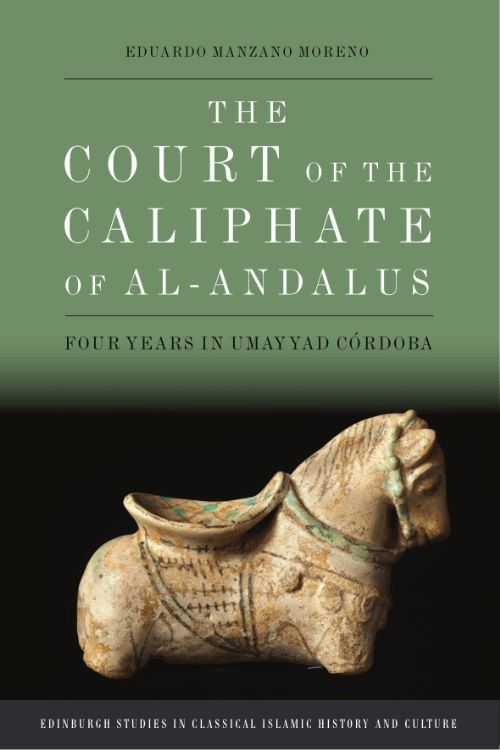
New Perspective Offered in The Court of the Caliphate of al-Andalus — Our Book Review
Author Eduardo Manzano Moreno gives life to a court scribe’s observations of Córdoba to offer a rarely explored view of the era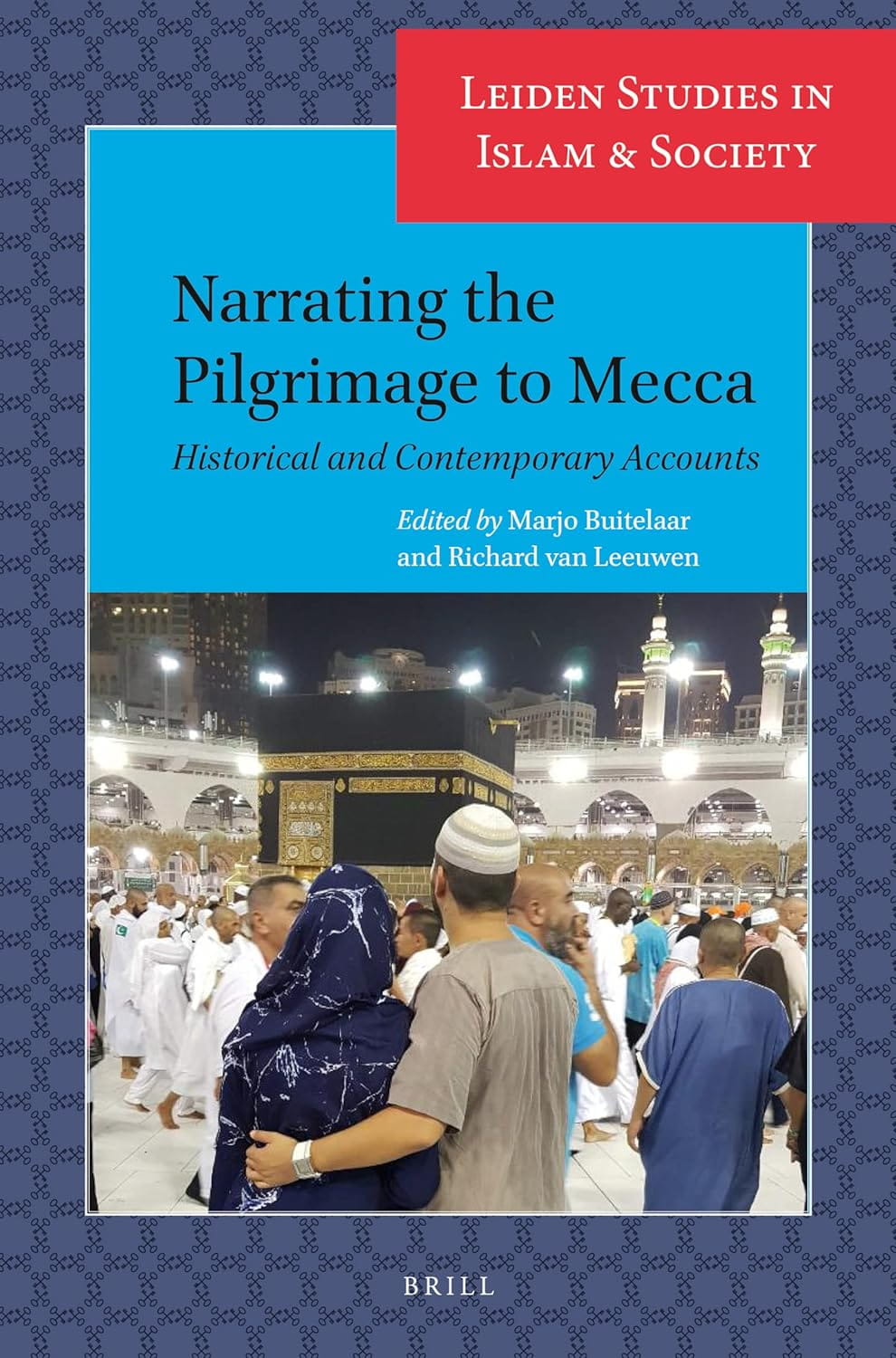
Essays Unpack the Evolving Hajj and Umrah Experience
This volume of essays juxtaposes historical first-hand narratives of Hajj and Umrah journeys with oral interviews of contemporary pilgrims to show the transformative power of storytelling.