Spotlight on Photography: Double Portrait by Malick Welli
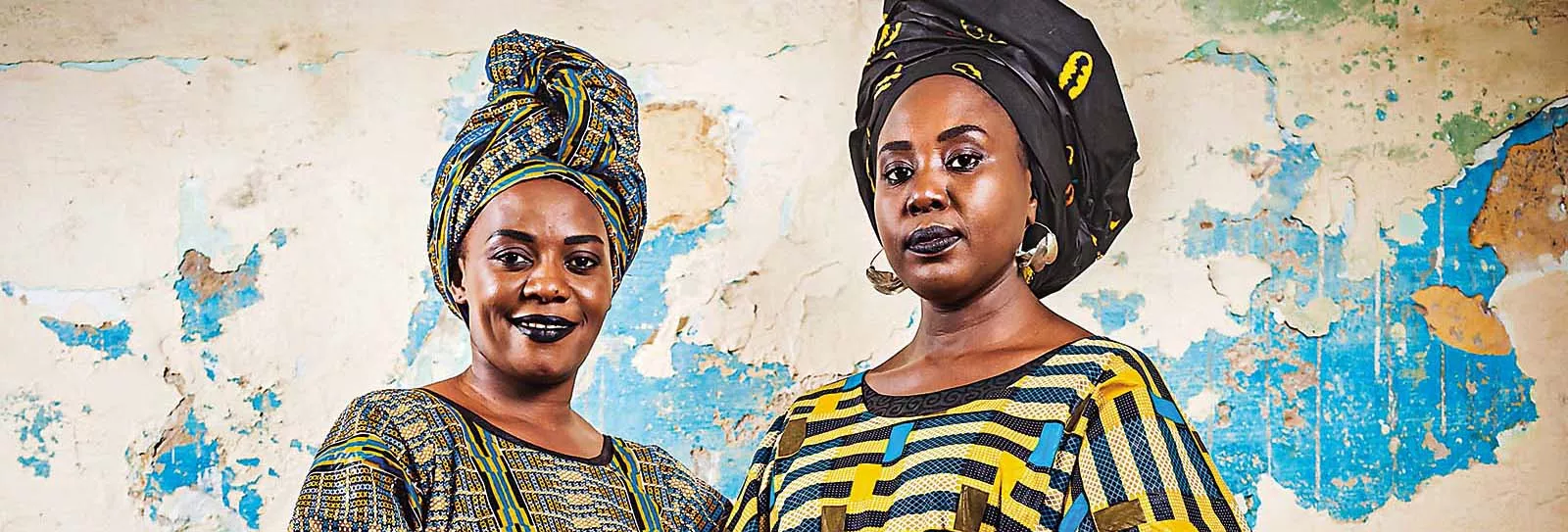
“Duet” comes from the Latin root word duo which means two. The Duet series focuses on double portraits, a tradition in West Africa.
“Duet” comes from the Latin root word duo which means two.
The Duet series focuses on double portraits, a tradition in West Africa. I try to create a duality, a resemblance between two people through gestures, clothing, poses, etc. This series includes portraits of relatives, friends and people united by other ties. This particular image is one from a series showing portraits of men and women pridefully posing in front of walls reminiscent of Saint-Louis, Senegal, and its architectural heritage, old buildings steeped in history. At their feet lies a dark checkerboard reminiscent of traditional photo studios.
—Malick Welli
@malickwelli
You may also be interested in...
Spotlight on Photography: Arabs In America
Arts
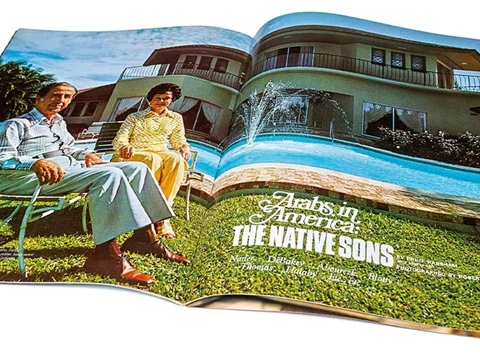
In 1975 AramcoWorld dedicated an entire issue to celebrating the lives of Arab Americans and their impact—from renowned heart surgeon Michael DeBakey to White House correspondent Helen Thomas to entertainer and St. Jude Children’s Research Hospital founder Danny Thomas.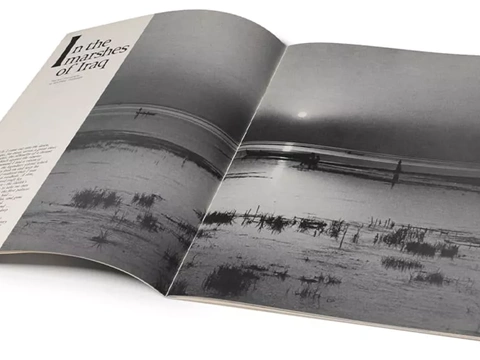
Spotlight on Photography: Discover the Marshes of Iraq in a Visual Story by Wilfred Thesiger
Arts
History
“In the Marshes of Iraq” — November/December 1966
Spotlight on Photography: Relive the 1980 Grand Prix Through Michael Turner's Racing Photos
Arts
Amid the roar of racers zooming toward the finish line in London during the 1980 Grand Prix, longtime auto-racing photographer and renowned artist Michael Turner trained his lens on a Saudia-Williams FW 07.