
FirstLook: Orion Through a 3D-Printed Telescope
With his homemade telescope, Astrophotographer Zubuyer Kaolin brings the Orion Nebula close to home.
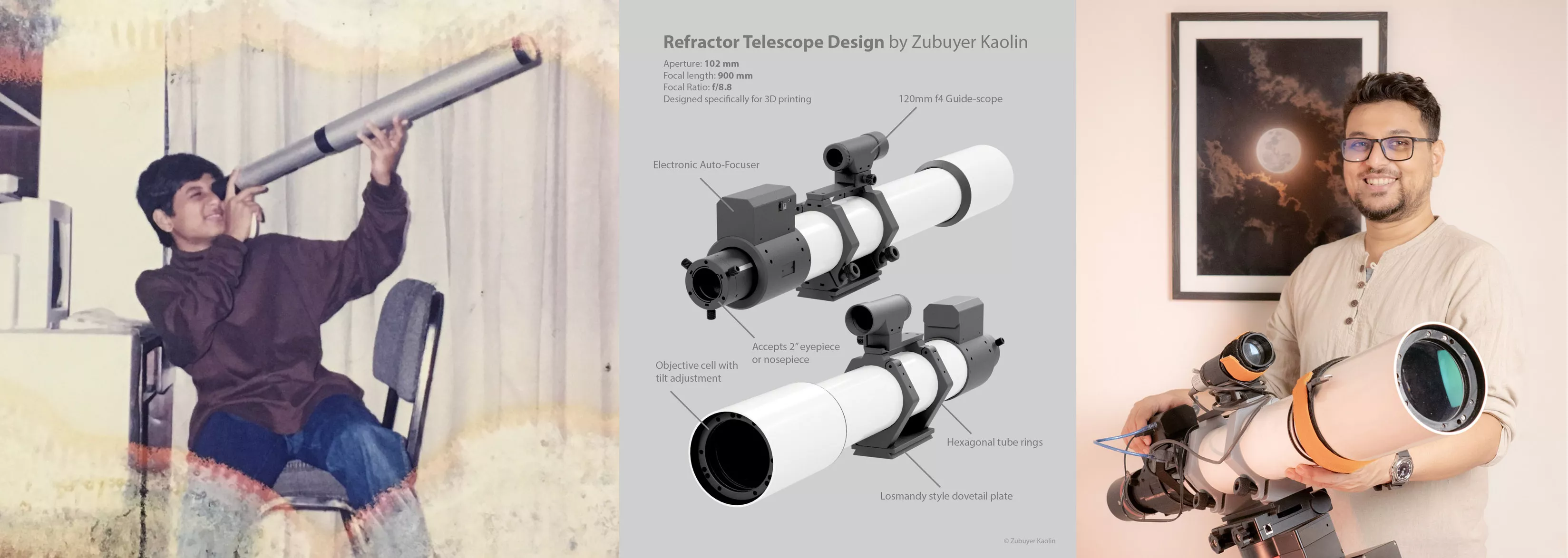
I had a keen interest in astronomy and the universe around us from an early age, and I crafted my first telescope from cardboard tubes and spectacle lenses when I was 12 years old. I remember looking at the Pleiades star cluster with it and seeing thousands of stars that were invisible to my naked eyes. I was awestruck, and promised myself that when I grow up, I’d make a better telescope!
In 2018 I started tinkering with electronics, robotics and 3D printing. I suddenly had the means to fulfill my childhood dream. In September 2019 I took my first image of a deep-sky object from my rooftop using nothing but a standard mirrorless camera on a tripod.
I had to overcome many technical challenges: tracking the sky precisely, building a reliable rig that can take very long exposures, modifying my camera to be more sensitive to the light emitted by the nebulae, etc.
In 2024, for three nights, I pointed my homemade telescope, made of PVC pipe and 3D-printed parts, at the most famous nebula in the winter night sky. I collected more than 11 hours of data and decided to use the best eight hours of it. After many hours of processing, this is my final image of the great Orion Nebula as seen from Dhaka, Bangladesh.
Zubuyer Kaolin is a Bangladeshi astrophotographer who captures breathtaking images beyond Earth’s atmosphere. Learn more about Kaolin, his telescope and his passion for photography at AramcoWorld.com.
@the.z.axis
@zubuyer
zubuyerkaolin.com
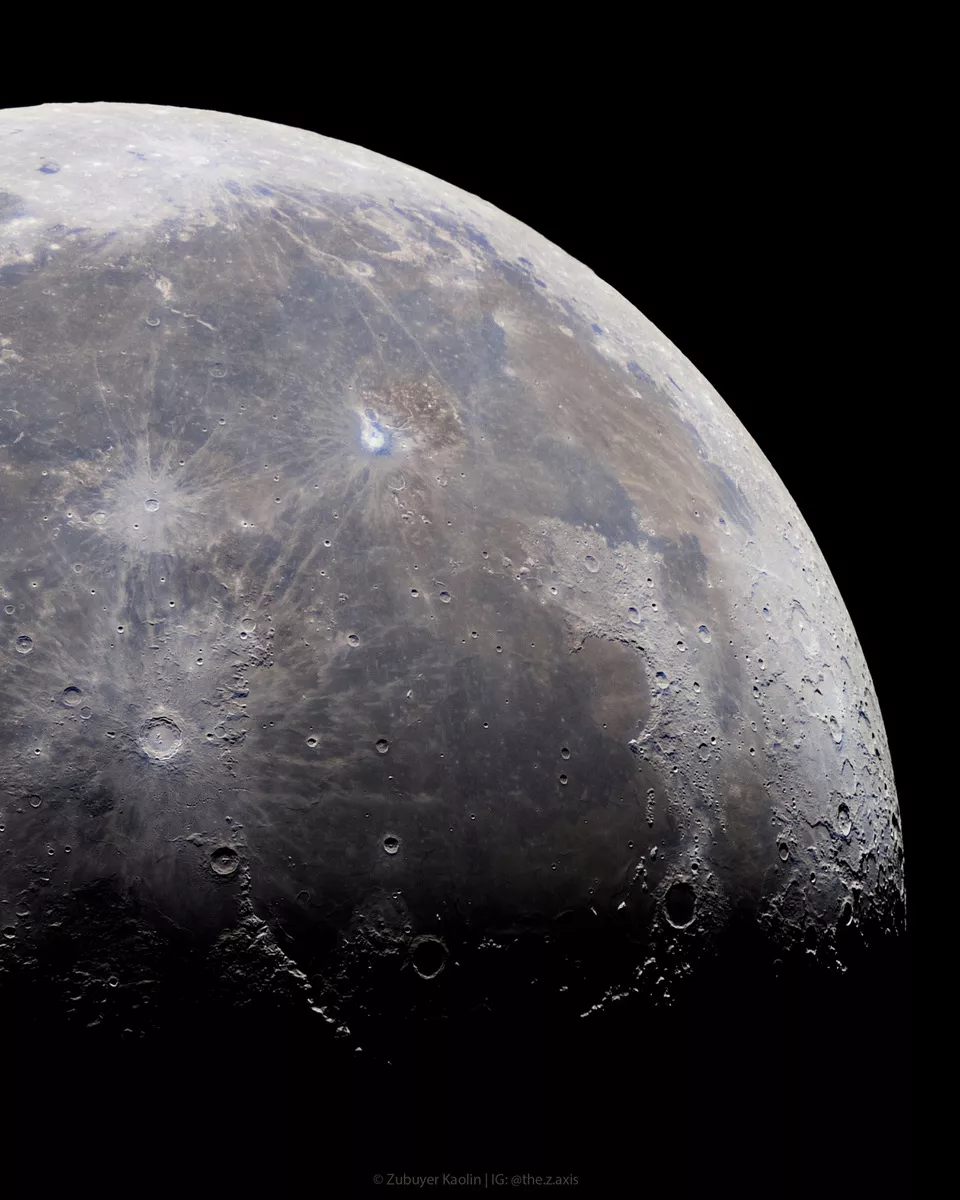
Half Moon
You may also be interested in...

AramcoWorld: 75 Years of Visual Storytelling Through Photography
Arts
History
Part 2 of our series celebrating AramcoWorld’s 75th anniversary this year highlights “visual vagabonding”—the magazine’s expanded use of vibrant images over the decades to fulfill the mission of cultural connection.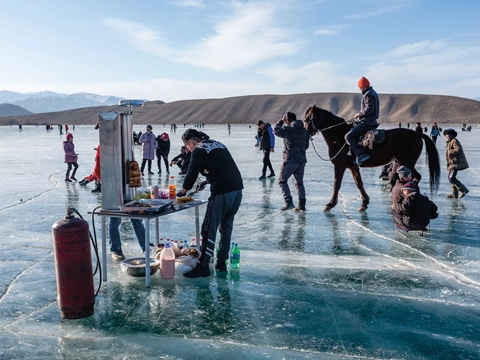
Spotlight on Photography: Finding Frozen Fun in Kyrgyzstan
Arts
Culture
In the winter of 2020, Lake Ara-Köl in Kyrgyzstan was becoming more and more popular.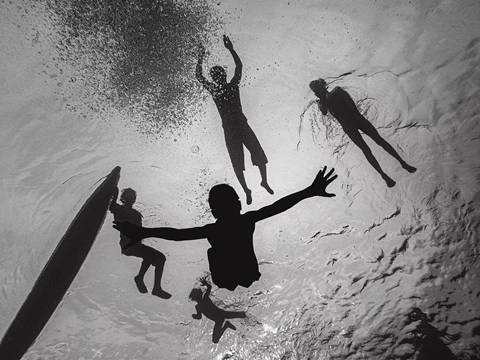
Ambon Island, East Indonesia by Hengki Koentjoro
Arts
This photo was taken off Ambon Island, East Indonesia in 2010. It is one of my favorites, illustrating the free-spirited nature of the children in the rural archipelago. While some children in the big cities may stay inside and play computer games, the children in Ambon with easy access to the water see the ocean surrounding their village as their playground.