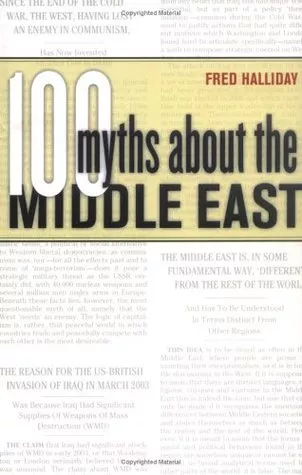
100 Myths About the Middle East
Halliday, Fred
2005, Saqi Books, 0-863565298, £8.99 pb.
If a bit of discomfort is a sign that education may be taking place, then this book has a bit of education in it for just about everyone. Professor of international relations at the London School of Economics, Halliday fearlessly and dispassionately takes on pervasive “facts,” stereotypes, perceptions and overly reductive ideas—often held by residents of the Middle East as well as by westerners, and by people in the street as well as by “experts” whom we’d expect to know better—and in clear prose puts them smartly, occasionally iconoclastically, into contexts larger than those most of us take into daily consideration. He covers conflicts in the region, views of Islam past and present, western relationships with Middle Eastern governments, economics, nationalism, conspiracy theories, politically manipulated language and even humor. (Myth 2: “The Middle East is a region... [with] no sense of humour”—quite the opposite, Halliday shows.) Few books cut so quickly and clearly through so many misconceptions.
You may also be interested in...
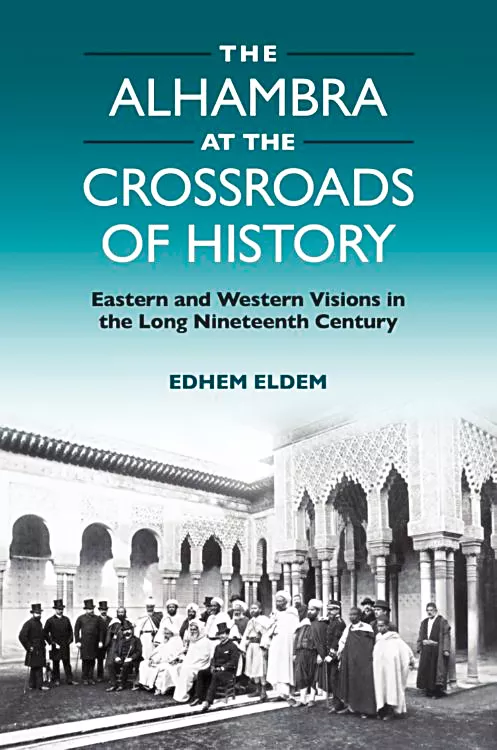
The Alhambra at the Crossroads of History—Our Book Review
The Alhambra at the Crossroads of History shows how the 13th-century Andalusi palace complex in Granada, modern Spain, generates often conflicting meanings at the same time—meanings actively constructed and sometimes misread. Edhem Eldem, an Istanbul-based history professor, traces its role in shaping social and cultural identities across imperial Europe, Arab North Africa and Ottoman Türkiye from the 18th to the early 20th centuries.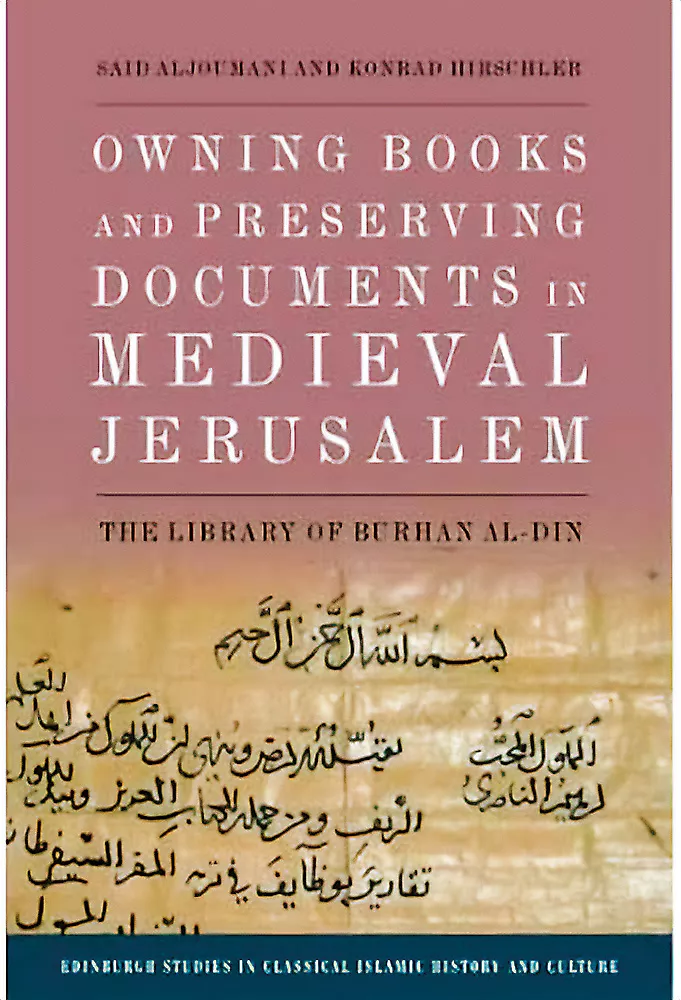
Owning Books and Preserving Documents in Medieval Jerusalem—Book Review
In this painstaking work, Owning Books and Preserving Documents in Medieval Jerusalem, historians Said Aljoumani and Konrad Hirschler explore a culture in which books became woven into the fabric of daily life through the case of Burhān al-Dīn Ibrāhīm al-Nāsīrī.