
In Search of Kings and Conquerors: Gertrude Bell and the Archeology of the Middle East
Graham Chandler
Lisa Cooper
2016, I. B. Tauris, 978-1-84885-498-7, $29.50 hb.
Born into British aristocracy in 1868, Gertrude Bell is famous for her dashing travel adventures to archeological sites in the Middle East—among them Babylon, Assur, Nimrud and Mosul; her association with T. E. Lawrence and Arab leaders; and her important contribution to British intelligence and the creation of Iraq. But when it comes to exploring the region’s ancient past, most of her 10 previous biographies indicate she was more of a dilettante than a serious archeologist, a legacy she craved. Cooper, who revisited many of Bell’s dig sites and pored over her papers, diaries and field notebooks, contends that her contributions to archeology are indeed valuable and given short shrift by earlier biographers. She cleverly connects Bell’s work to more recent excavations, all of which has become immensely useful with losses from the Syrian civil war. Despite her accurate observations, in many ways Bell still appears a dilettante: of her recording Mesopotamia’s Ukhaidir site 160 kilometers southwest of Baghdad, she said, “I shall publish it in a big monograph all to itself and it will make a flutter in the dovecotes.” Cooper’s volume is eminently readable for amateurs and professionals, especially with the inclusion of more than 100 Bell photos. Academic reception to Bell’s archeological work remains mixed.
You may also be interested in...
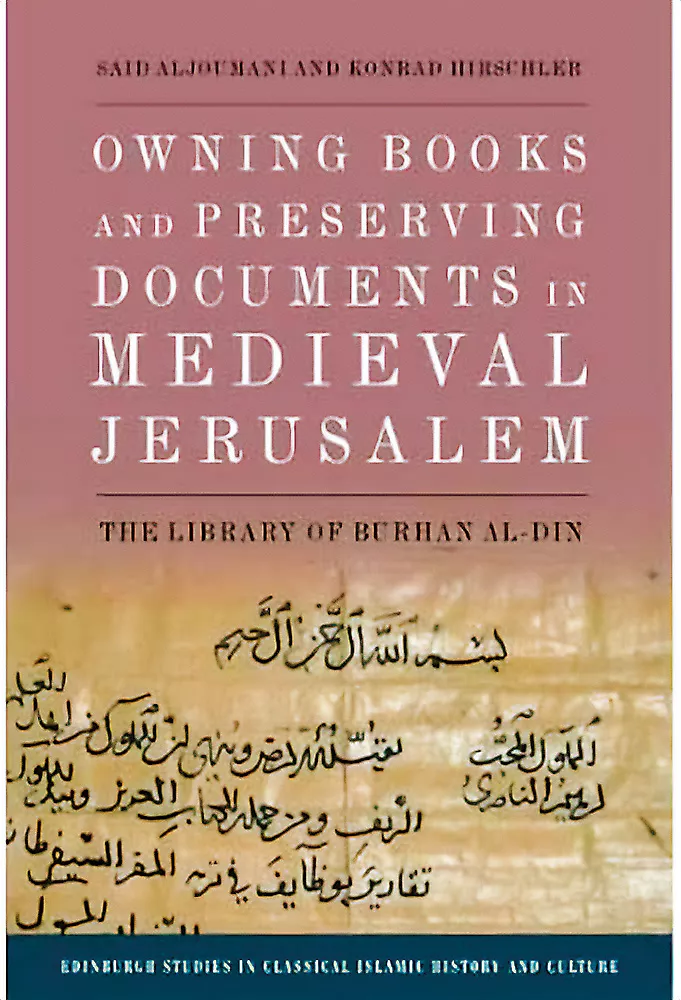
Owning Books and Preserving Documents in Medieval Jerusalem—Book Review
In this painstaking work, Owning Books and Preserving Documents in Medieval Jerusalem, historians Said Aljoumani and Konrad Hirschler explore a culture in which books became woven into the fabric of daily life through the case of Burhān al-Dīn Ibrāhīm al-Nāsīrī.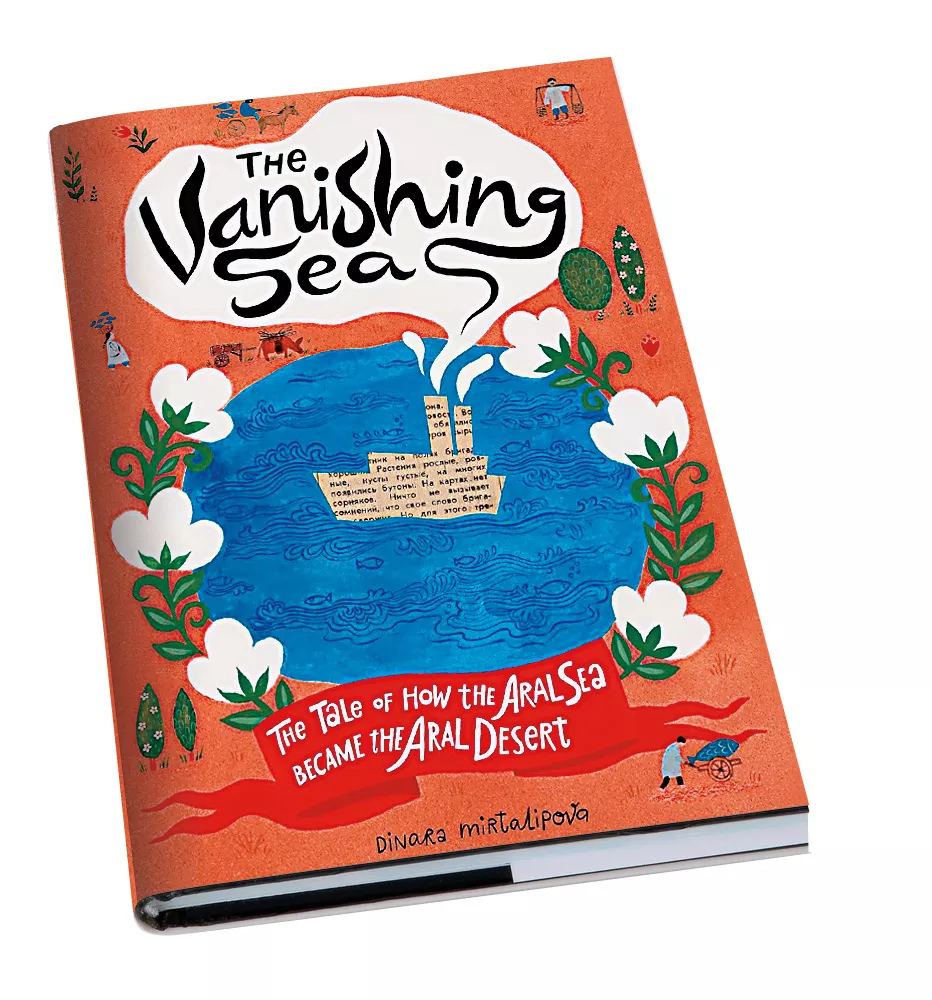
The Vanishing Sea by Artist Dinara Mirtalipova—Our Book Review
How often do we take nature for granted, assuming it will never vanish? In US-based folk illustrator Dinara Mirtalipova’s new children’s book, a sea is the main character: the one that provides livelihood and prosperity, until humans’ poor choices cause its demise.