How Can Culture Build Bridges Across the World?
Language Studies
History
Central Asia
Europe
South Asia
How can one village inspire the world? Discover how literature and cultural heritage foster understanding across borders.
The following activities and abridged text build off "After Manas, My Kyrgyz, Your Chingiz," written by Alva Robinson and photographed by Seitek Moldokasymov.
WARM UP
Scan the articles, photos, and captions to predict its main idea.
IF YOU ONLY HAVE 15 MINUTES ...
Analyze how Chingiz Aitmatov's writing and UNESCO World Heritage Sites preserve culture while inspiring appreciation across nations.
IF YOU ONLY HAVE 30 MINUTES ...
Compare literature, historic sites and artistic traditions to explain how cultural exchange strengthens international understanding and cooperation.
VISUAL ANALYSIS
Interpret a UNESCO World Heritage Site's visual features and historical significance, then explain how it promotes cross-cultural understanding through a classroom presentation.
The Path to the Universe Starts from the Village
Directions: As you read, watch for highlighted vocabulary words. Use context clues to guess their meanings, then hover on each word to check if you’re right. After reading, answer the questions at the bottom of the page.
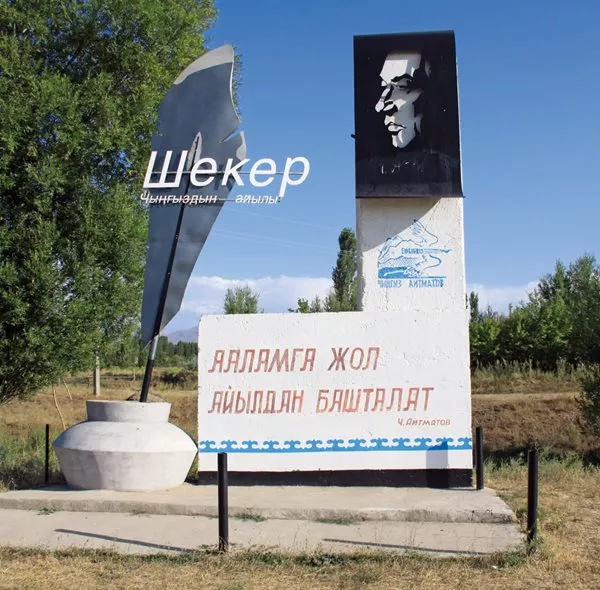
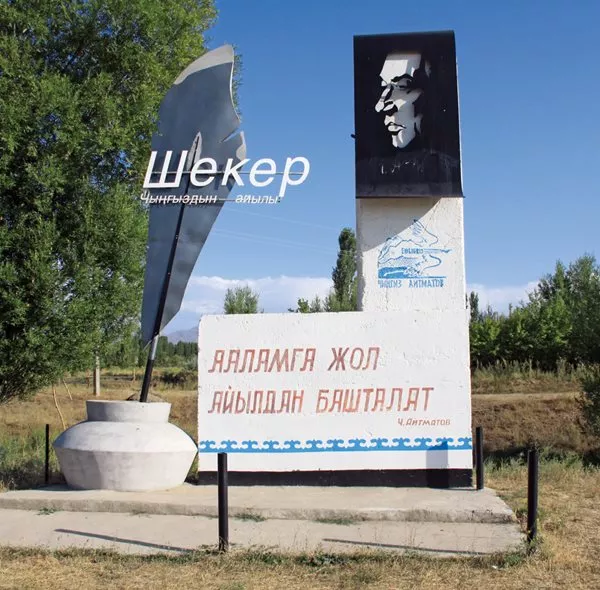
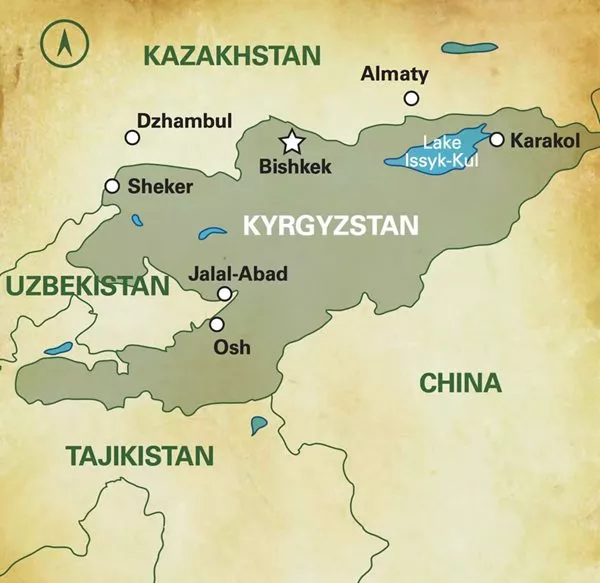
Along a mountain road near the Kazakhstan border stands a welcome sign to Sheker, the Kyrgyz village where renowned author Chingiz Aitmatov was born. The sign bears one of his best-known quotations: "The path to the universe starts from the village." The statement expresses a simple but powerful idea: local traditions, stories and cultural heritage can speak to people everywhere.
In today's interconnected world, countries often strengthen relationships by sharing culture rather than relying solely on political or economic influence. Literature, architecture, historic landmarks and artistic traditions help people better understand one another, fostering respect, cooperation, and a greater appreciation of humanity's shared experiences.
Few people embodied this idea more fully than Chingiz Aitmatov. Born in Sheker, he grew up surrounded by Kyrgyz folklore, the natural landscape and the traditions of a nomadic society. After his father was executed during Stalin's political purges, relatives helped raise him and passed down oral traditions, such as proverbs folklore and heroic tales, including the epic Manas, which tells the story of the legendary hero who united the Kyrgyz tribes. These experiences became the foundation of Aitmatov's writing.
His novels—including Jamila, The White Ship, and The Day Lasts More than a Hundred Years—were translated into more than 170 languages, introducing millions of readers to Kyrgyz culture. Although rooted in Central Asia, his stories explore universal themes such as family, justice, memory, identity and human dignity, reminding readers that people everywhere share many of the same hopes and struggles.
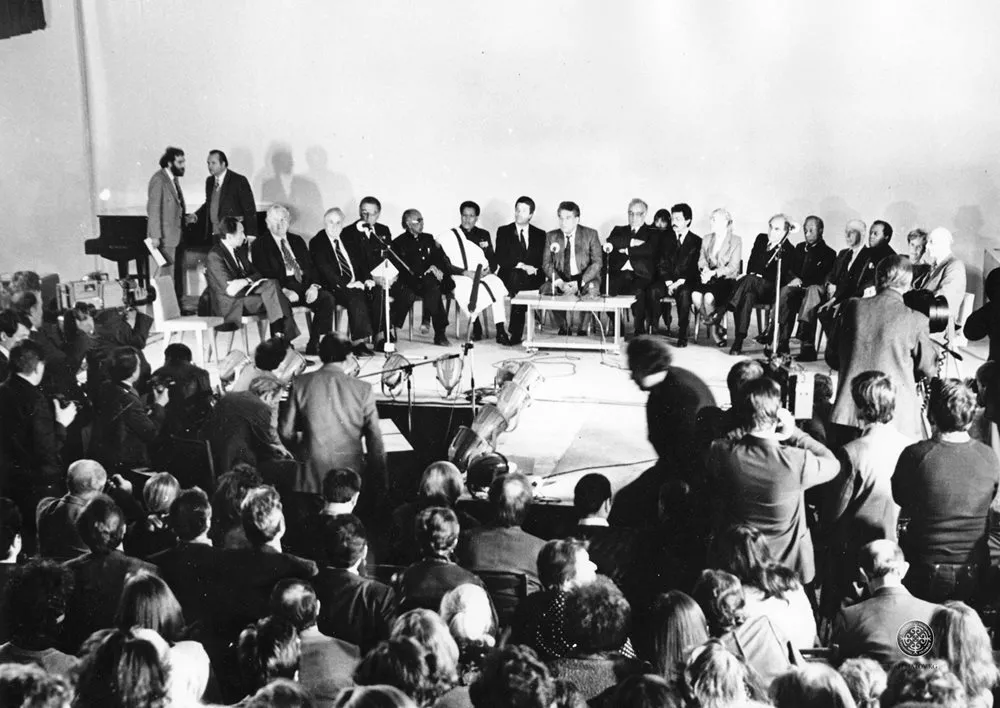
Aitmatov also promoted international understanding beyond literature. As a diplomat, he helped organize the Issyk-Kul Forum, bringing together writers, scholars and political leaders to discuss peace, environmental stewardship, and global cooperation. Through both his books and public service, he became one of Kyrgyzstan's leading cultural ambassadors.
His work reflects the mission of UNESCO's World Heritage program, established in 1972 to recognize places of outstanding cultural and natural importance. These sites preserve landmarks, traditions and archeological treasures that belong not only to individual nations but to all humanity. Protecting them encourages dialogue, mutual respect and appreciation across cultures.
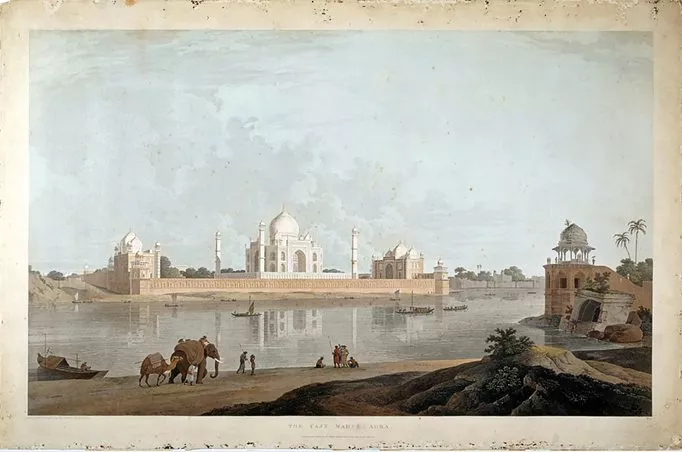
Many UNESCO World Heritage Sites demonstrate this mission. Historic Jeddah reflects centuries of cultural exchange through its coral-stone architecture and its role as a gateway for pilgrims traveling to Makkah. Samarkand, in Uzbekistan, illustrates how the Silk Roads connected Asia, the Middle East, and Europe through trade, scholarship, and the exchange of ideas. Spain's Alhambra showcases remarkable artistic and architectural achievements that bridged Islamic and European traditions, while India's Taj Mahal blends Persian, Islamic and Indian influences into one of the world's most admired monuments.
Cultural influence extends beyond famous landmarks. William Shakespeare's plays continue to be performed around the world because their themes remain universal. Likewise, Portuguese ceramic tiles, inspired in part by Islamic artistic traditions, demonstrate how ideas and esthetics can travel across cultures, blending with local traditions to create new forms of artistic expression.
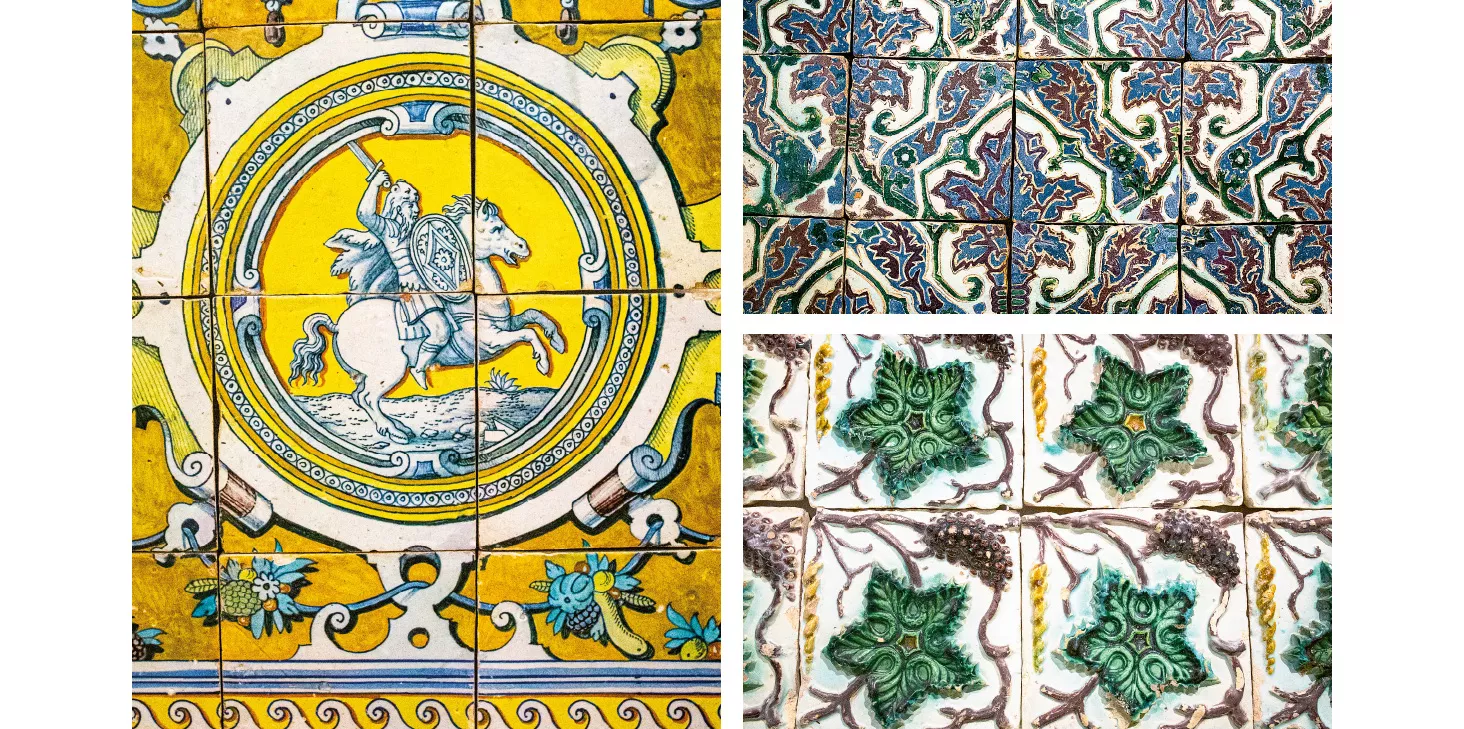
Together, these examples show that preserving cultural heritage benefits far more than historians or archaeologists. Heritage sites, literature, architecture, and artistic traditions strengthen local economies, encourage responsible stewardship, and deepen appreciation for the significance of different cultures. They also remind us that civilizations have influenced one another for centuries through trade, storytelling, education, and artistic exchange.
Aitmatov's words, "The path to the universe starts from the village," continue to resonate because they remind us that local traditions can carry universal meaning. Whether through a novel written in a small Kyrgyz village or a UNESCO World Heritage Site, cultural heritage has the power to connect people across borders. By protecting these shared treasures, societies promote understanding, inspire cooperation and demonstrate that humanity's greatest achievements are those that unite rather than divide.
Other lessons

When Postcards Bring the Past Alive, Curiosity Follows
For the Teacher's Desk
Placed in students' hands, century-old postcards unlock investigative thinking and spark the kind of inquiry every teacher hopes to cultivate.
Cairo Across America: Interpreting Geography, History and the Meaning of a Name
Geography
History
Uncover how towns named Cairo turned ancient inspiration into uniquely American stories of aspiration, identity, and change.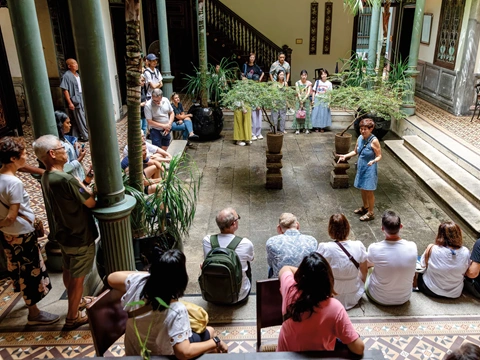
Teaching the Heritage of Place Through Storytelling
History
Geography
Southeast Asia
George Town’s restoration shows how storytelling can do more than just preserve historic buildings—it keeps memory, identity and environmental awareness alive.