Teaching Heritage of Place Through Storytelling
History
Geography
Southeast Asia
George Town’s restoration shows how storytelling can do more than just preserve historic buildings—it keeps memory, identity and environmental awareness alive.
The following activities and abridged text build off, "Guarding George Town: One Voice Keeping Penang’s Past Alive," written by Nilosree Biswas and photographed by Suzanne Lee.
WARM UP
Scan the articles photos and captions to predict its main idea.
IF YOU ONLY HAVE 15 MINUTES ...
Analyze how conservationists use storytelling and restored landmarks to reconnect visitors with George Town’s layered history and environmental challenges.
IF YOU ONLY HAVE 30 MINUTES ...
Trace how trade, migration, colonialism and conservation shaped George Town’s identity and continue to influence community life today.
VISUAL ANALYSIS
Design a heritage walking tour that interprets local landmarks through storytelling, history and environmental connections within your own community.
Directions: As you read, watch for highlighted vocabulary words. Use context clues to guess their meanings, then hover on each word to check if you’re right. After reading, answer the questions at the bottom of the page.
Guarding George Town: One Voice Keeping Penang’s Past Alive
Teaching the Heritage of a Place

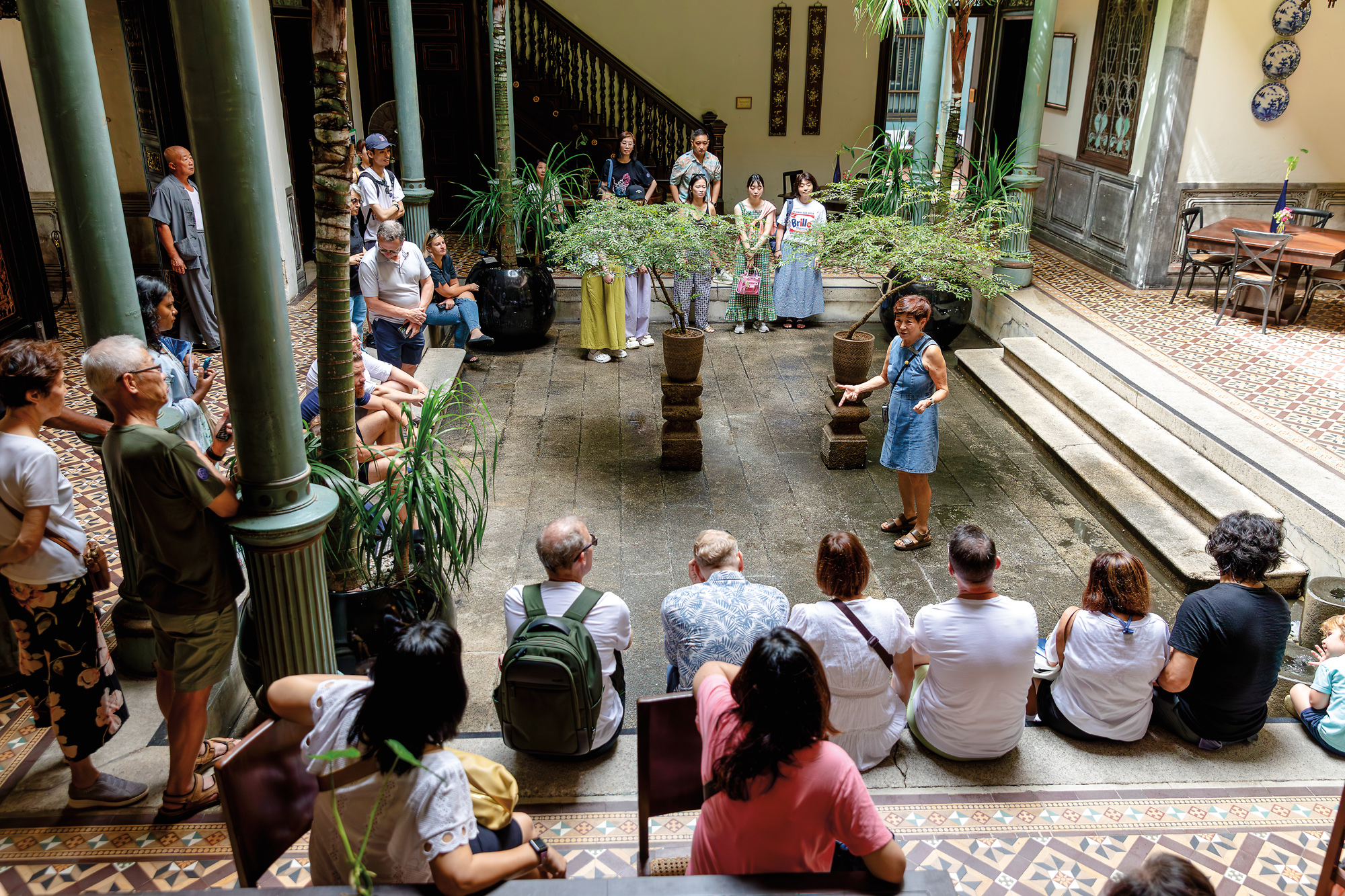
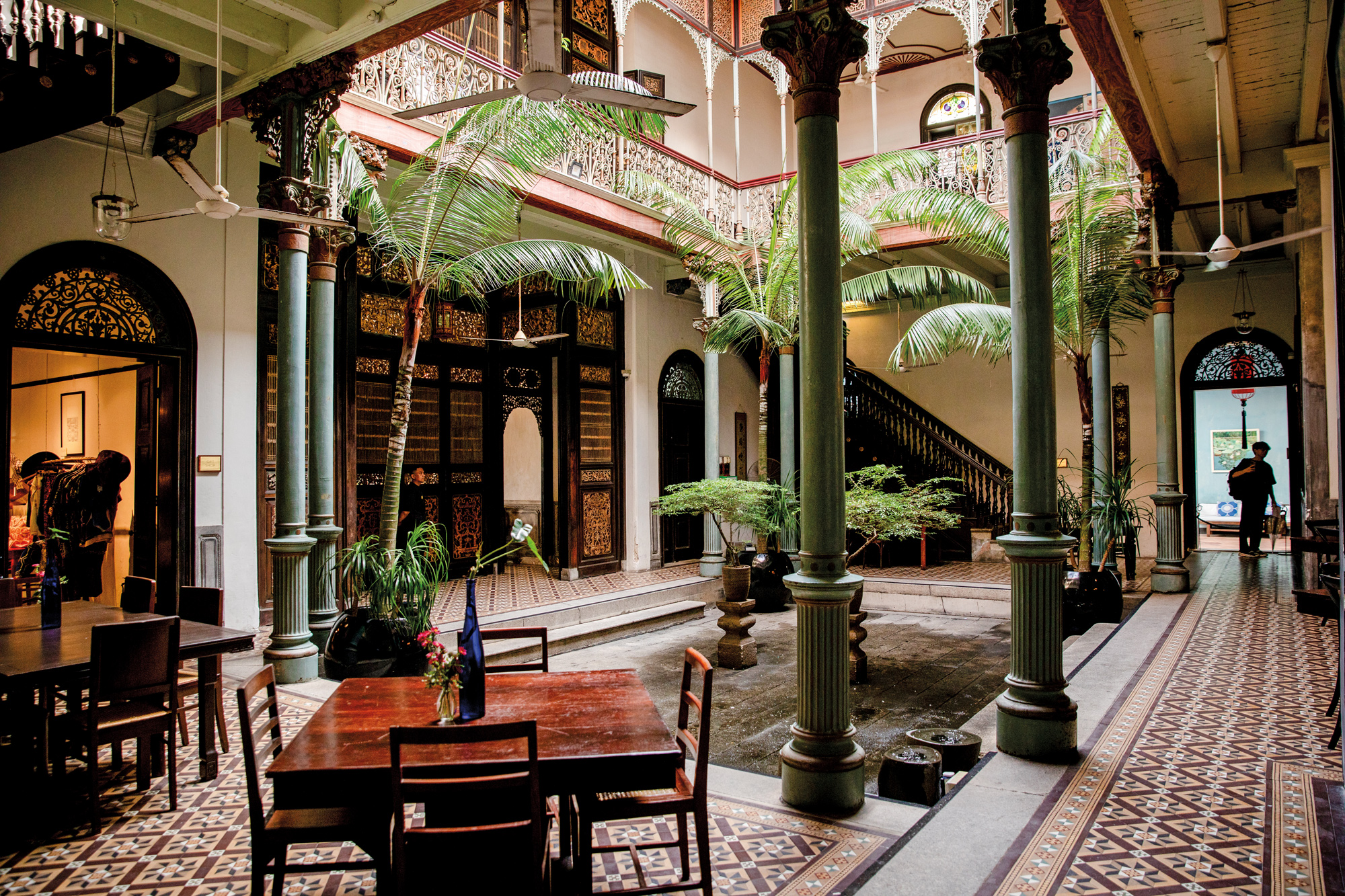
The indigo walls of the Blue Mansion cast cool shadows across a courtyard in George Town, Penang Island, Malaysia. Once home to Cheong Fatt Tze, a wealthy Chinese merchant known as the “Rockefeller of the East,” the mansion now serves as both a heritage site and boutique hotel.
Standing beneath carved wooden balconies, conservationist Loh-Lim Lin Lee reminds visitors that the mansion once functioned as a living family home filled with movement, labor and daily life. For Lin Lee, preserving heritage means more than saving beautiful buildings. Visitors should leave understanding the people, histories and social forces that shaped those spaces.
Today the mansion functions as both a heritage site and a boutique hotel. Lin Lee and her husband, architect Laurence Loh, rescued it from demolition. For them, conservation is more than just a tourist destination. Real conservation is when visitors carry away with them an understanding of the people, labor, and layered histories that once animated the mansion’s rooms.
Lin Lee believes understanding heritage also requires understanding the surrounding environment and historical context. She argues against “pick and choose” history, where societies celebrate attractive landmarks while ignoring colonialism, inequality or conflict. George Town’s story, she insists, includes “the good, the bad and the ugly.”
George Town Beginnings
George Town began as a British free port and became a major maritime crossroads connecting Malay, Chinese, Indian, Arab and European communities. Trade and migration shaped the city’s economy, architecture and social divisions. After Malaysian independence in 1957, however, the city declined. Historic buildings deteriorated or disappeared as modern construction replaced older neighborhoods. Many feared the city was losing its cultural identity.
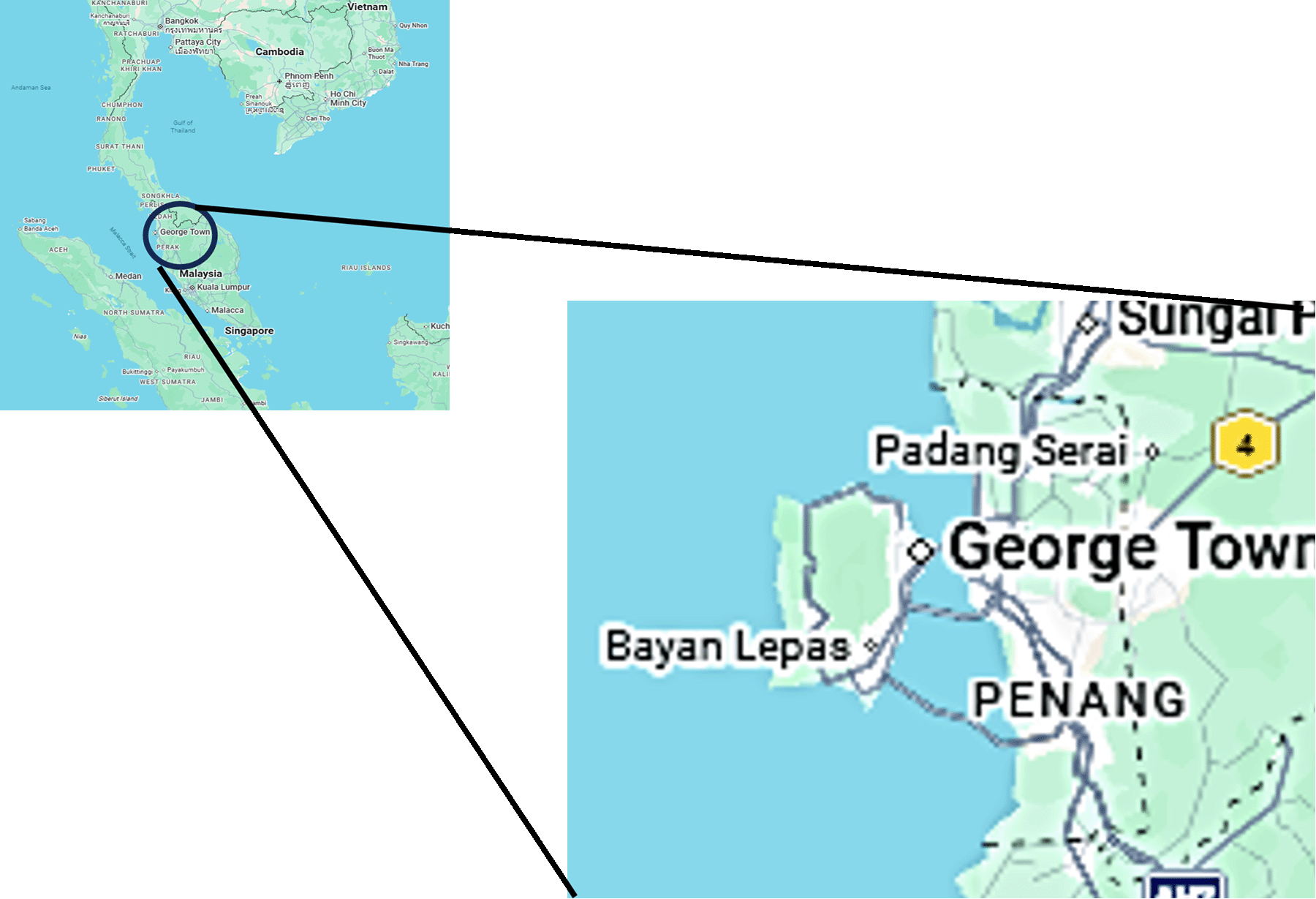
By the late 20th century, conservationists argued that George Town’s value extended beyond a few famous landmarks. Its streets, homes and public spaces together formed a living historical fabric. This broader view helped fuel preservation efforts, and in 2008 George Town received UNESCO World Heritage status.
Building on Conservation and Heritage in George Town
Lin Lee’s background prepared her for this work. Born in George Town, she studied social psychology and education abroad before returning home to teach how people connect with spaces and environments. Eventually, she shifted from academia into conservation alongside her husband, architect Laurence Loh. Together, they combined scholarship with storytelling, helping visitors engage with complex histories in accessible ways.
Their work extends beyond the Blue Mansion. At Fort Cornwallis, an 18th century coastal fort built during British colonial rule, restoration efforts reconnect George Town’s waterfront with its maritime history and civic life. Physical improvements include repaired structures, widened walkways and redesigned public spaces. The site also improves stormwater retention, showing how historic preservation can support environmental resilience.
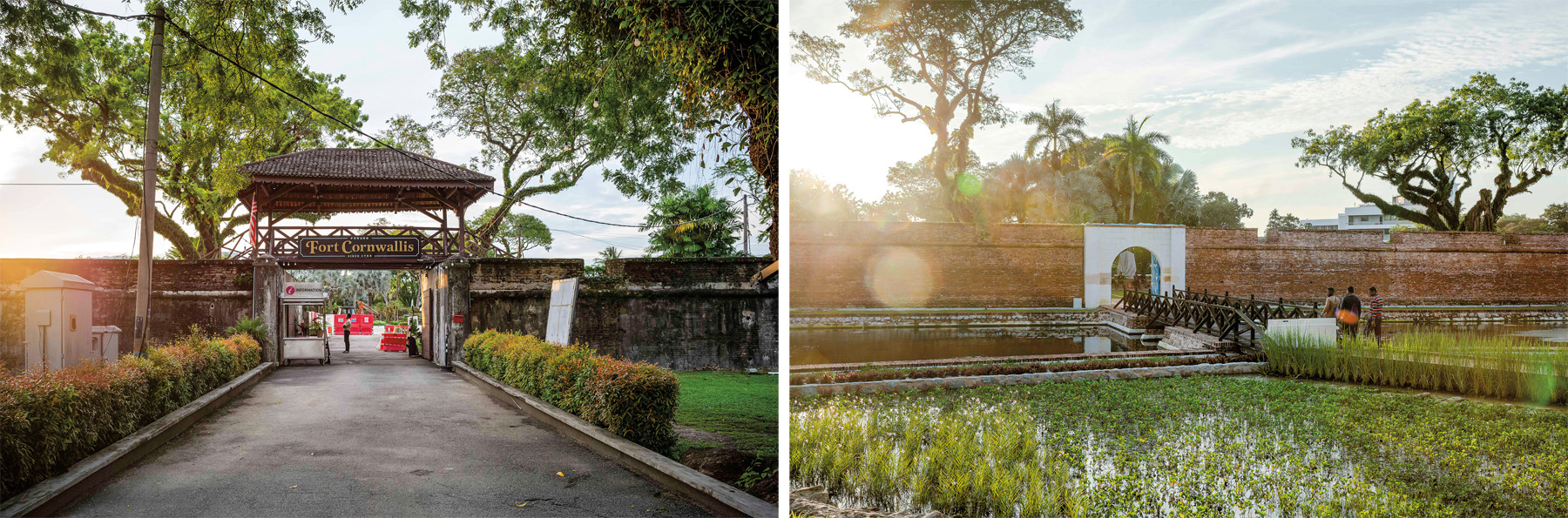
Lin Lee insists that restoration should not erase difficult history. At Fort Cornwallis, scars from war damage and neglect remain visible. Rather than hiding them, guides use them to discuss World War II, colonialism and changing political systems. The goal is interpretation rather than simple sightseeing.
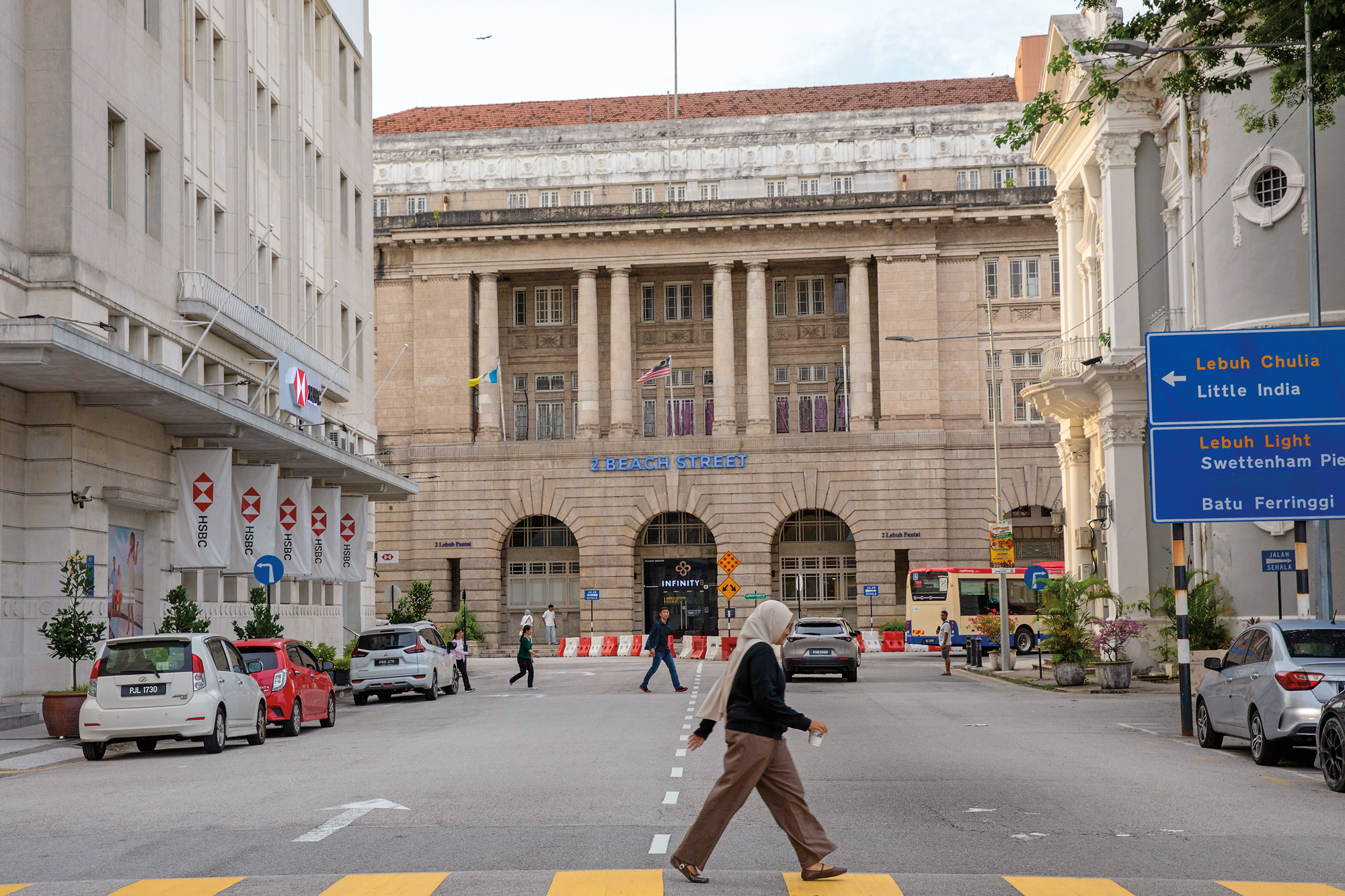
To help younger visitors engage with the past, Lin Lee and her associates selectively deploy media and digital tools such as augmented reality and layered graphics. These tools allow visitors to imagine how the fort once functioned and how people lived under military rule.
The Revitalization of The Blue Mansion and George Town.
The Blue Mansion remains Lin Lee’s most recognized achievement. By the 1980s, the building sat abandoned and faced demolition. In 1989, Lin Lee and Laurence Loh purchased the property and spent six years restoring it. Today, the mansion functions as a hotel, cultural venue and occasional film location. Yet Lin Lee believes its true value lies in the stories connected to it.
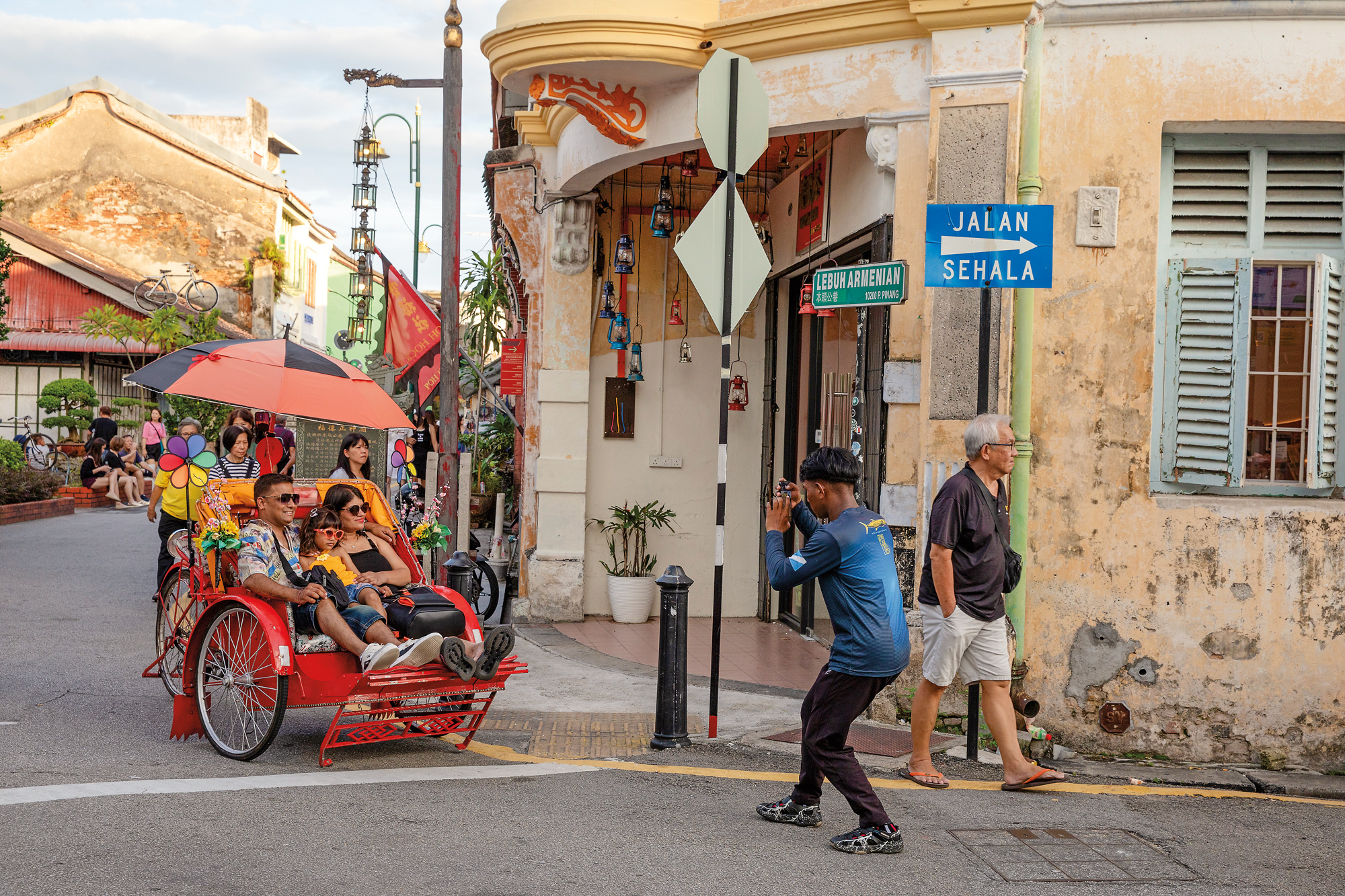
Her tours describe the life of Cheong Fatt Tze, the routines of Penang households and the influence of global trade, politics and migration on everyday life. For Lin Lee, storytelling gives meaning to preservation. Buildings only matter when people understand who lived there, who worked there and how larger historical forces shaped local communities.
She hopes visitors leave not only informed but emotionally connected to the places they encounter. Through storytelling, conservation can elicit curiosity, protect memory, strengthen identity and deepen appreciation for inherited cultural spaces.
Other lessons
MC Escher’s “Extra-logical Realities”: Artistic Progression From Architecture to Mathematics
Art
History
Europe
Create a simple tessellation integrating techniques by Dutch artist M. C. Escher that relies on Islamic-inspired patterns..jpg?cx=0.31&cy=0.53&cw=480&ch=360)
Building Bridges in the Classroom: The Stari Most Story for Teaching Writing and Cultural History
For the Teacher's Desk
Teach students how to uncover details through metaphor telling the story of their communities.
Visualizing From Where Food Comes: Teaching Environmental and Social Impacts of Global Farming
Environmental Studies
Geography
Examine global food production through George Steinmetz’s aerial imagery and evaluate how farming affects people, ecosystems and sustainability.