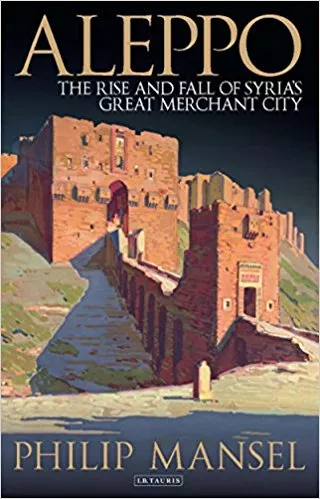
Aleppo: The Rise and Fall of Syria's Great Merchant City
Matthew Teller
Philip Mansel
2016, I. B. Tauris, 978-1-78453-461-5
In this timely publication, as Syria’s second city suffers from devastation, Mansel offers a history of Aleppo that both heartens and depresses. The first third of the book forms an admirable 60-page trot through Aleppo’s past, beginning with the arrival in 1516 of the Ottoman Sultan Selim i, when Aleppo became “no longer a frontier city, but an entrepôt at the center of an empire.” Mansel tracks the growth in trade that made Aleppo a world city in short chapters highlighting its multicultural outlook and economic vivacity, drawing on the memoirs of visiting European diplomats, merchants and adventurers. He speeds the story through the cruel 20th century, when political borders reoriented Aleppo away from Constantinople to serve instead as Damascus’s sidekick, and on to the yet crueller destruction of today when the city “has entered its dark ages.” But then Mansel returns to his chiefly European sources, devoting the greater part of the book to reprinting excerpts from travelers’ accounts of Aleppo, from 16th-century botanist Leonhard Rauwolf to 20th-century writer Gertrude Bell. The definitive history of Aleppo, foregrounding Aleppan lives, has perhaps not yet been written.
You may also be interested in...
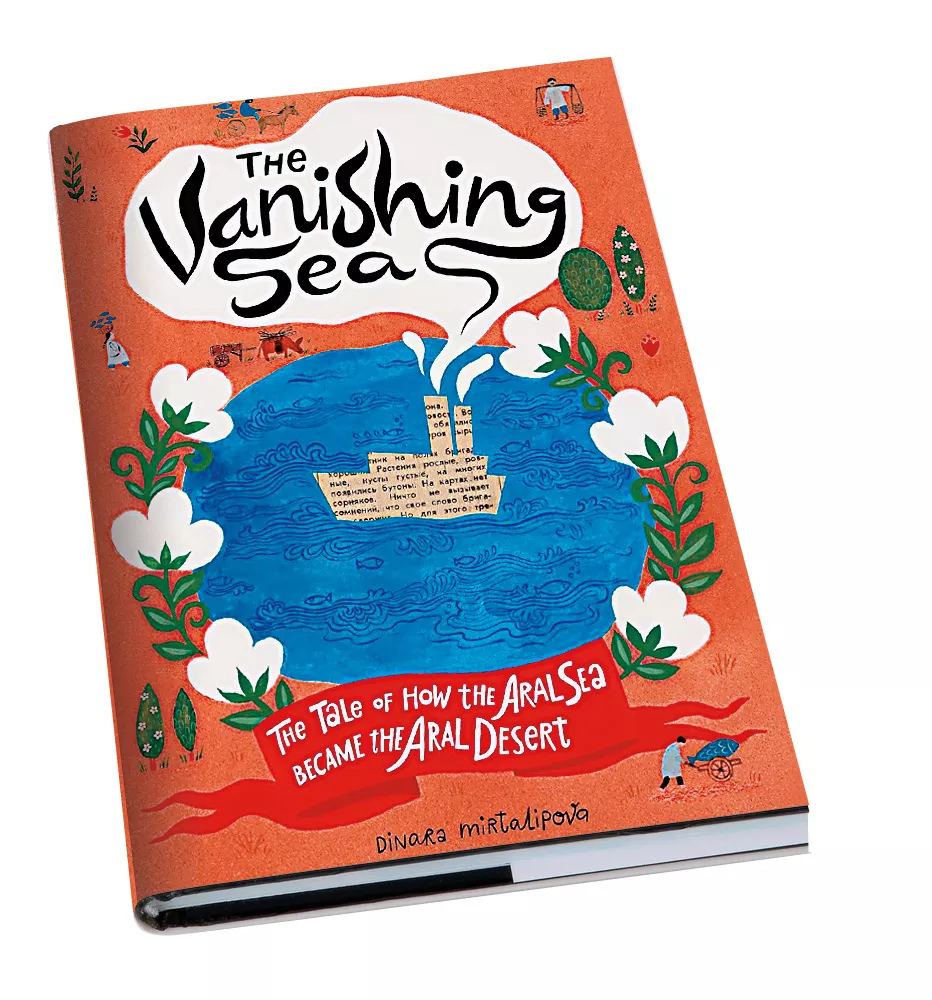
The Vanishing Sea by Artist Dinara Mirtalipova—Our Book Review
How often do we take nature for granted, assuming it will never vanish? In US-based folk illustrator Dinara Mirtalipova’s new children’s book, a sea is the main character: the one that provides livelihood and prosperity, until humans’ poor choices cause its demise.
Memoir Paints World’s Biggest Game as Great Connector—Our Book Review
Tim Bascom transforms a lifetime of playing football across five continents into a meditation on belonging, arguing that the game’s great gift is not the goals but the wordless understanding it creates among people.