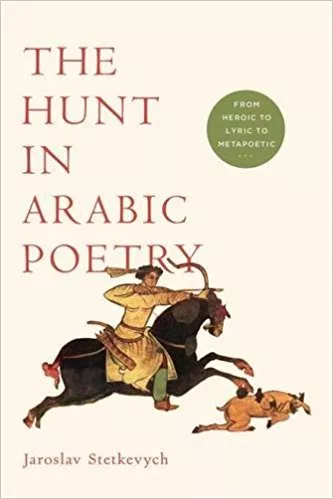
The Hunt in Arabic Poetry: From Heroic to Lyric to Metapoetic
Tom Verde
Jaroslav Stetkevych
2015, University of Notre Dame Press, 978-0-26804-151-9, $34 pb.
The hunt has long been a subject of artistic expression, stretching back to the cave paintings at Lascaux, France, rendered more than 17,000 years ago. Uniquely, representations of the hunt have endured in the Arabic-speaking world, not so much pictorially as poetically. So argues scholar Jaroslav Stetkevych in this study of a little-addressed topic that nonetheless suffuses Arab cultural history. Via his own translations and dissections of wide-ranging samples of the Arabic hunt poem—the tardiyyah—Stetkevych demonstrates how pre-Islamic motifs of “quest” were transformed by medieval Arabic poets into themes of yearning and pursuit. “We dashed out with our hound … in the heat of youth’s prime,” wrote Abu Nawas (d. 814 CE). Yet the dawn toward which the youthful hunting party rides “appeared from behind its veil / Like a gray-haired man’s face …,” alluding to the “dark foreboding of inescapable fate,” as Stetkevych observes. Tardiyyah, he argues, lived on in the modern free-verse poetry of Egypt’s Muhammad ‘Afifi Matar (d. 2010), among others, who transformed the traditional “hunt lyric into an allegory of the poet’s search,” an artistic objective not so far removed from the cave paintings at Lascaux.
You may also be interested in...
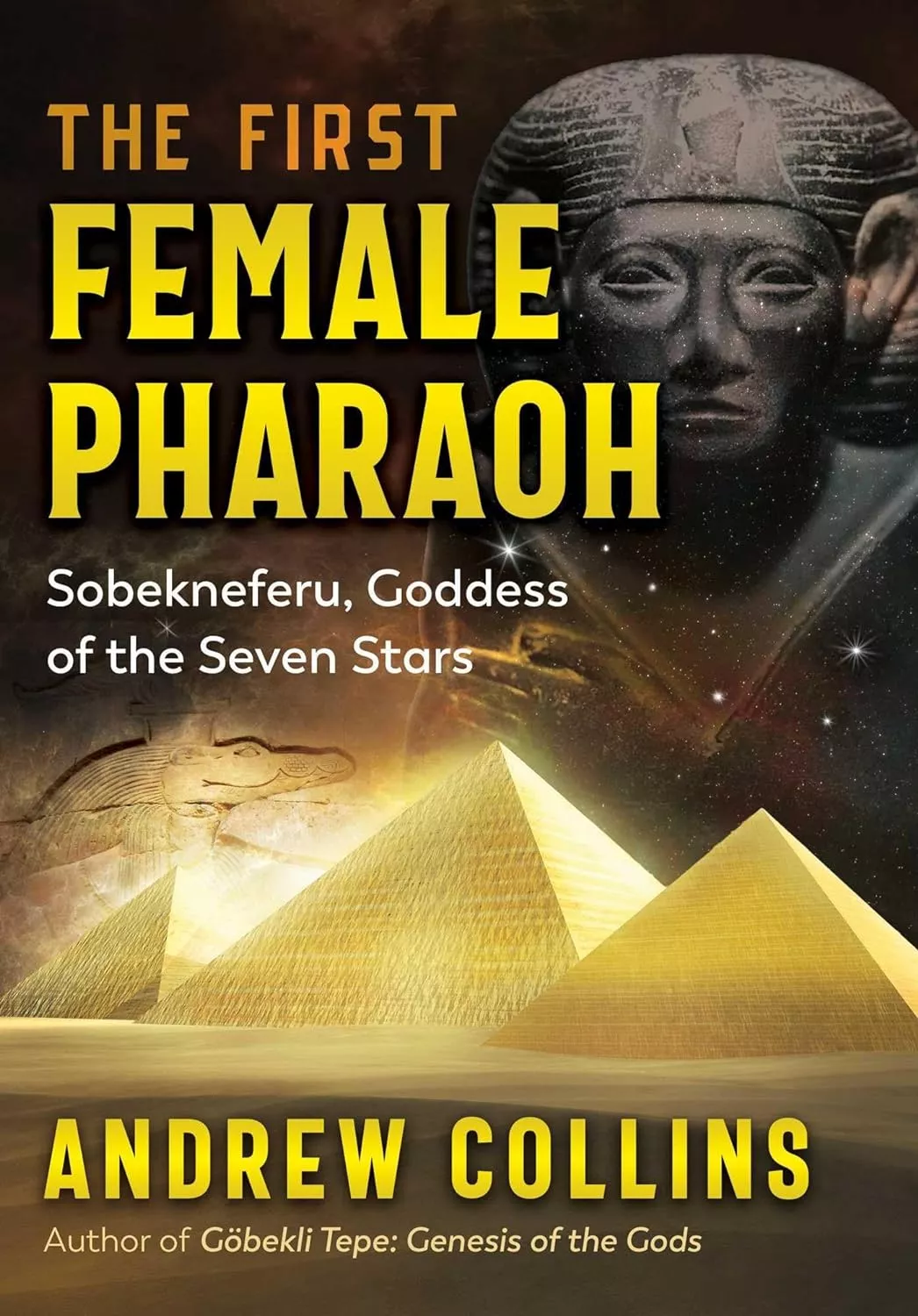
Author Andrew Collins’ The First Female Pharaoh—Our Book Review
Andrew Collins explores the mythmaking and historical erasure of Egypt’s first female pharaoh.
A History of Mali’s National Drink Traces Green Tea—Book Review
By tracing ritual instead of commerce, anthropologist Ute Röschenthaler shows that the story of tea in West Africa involves multidirectional routes and local agency.