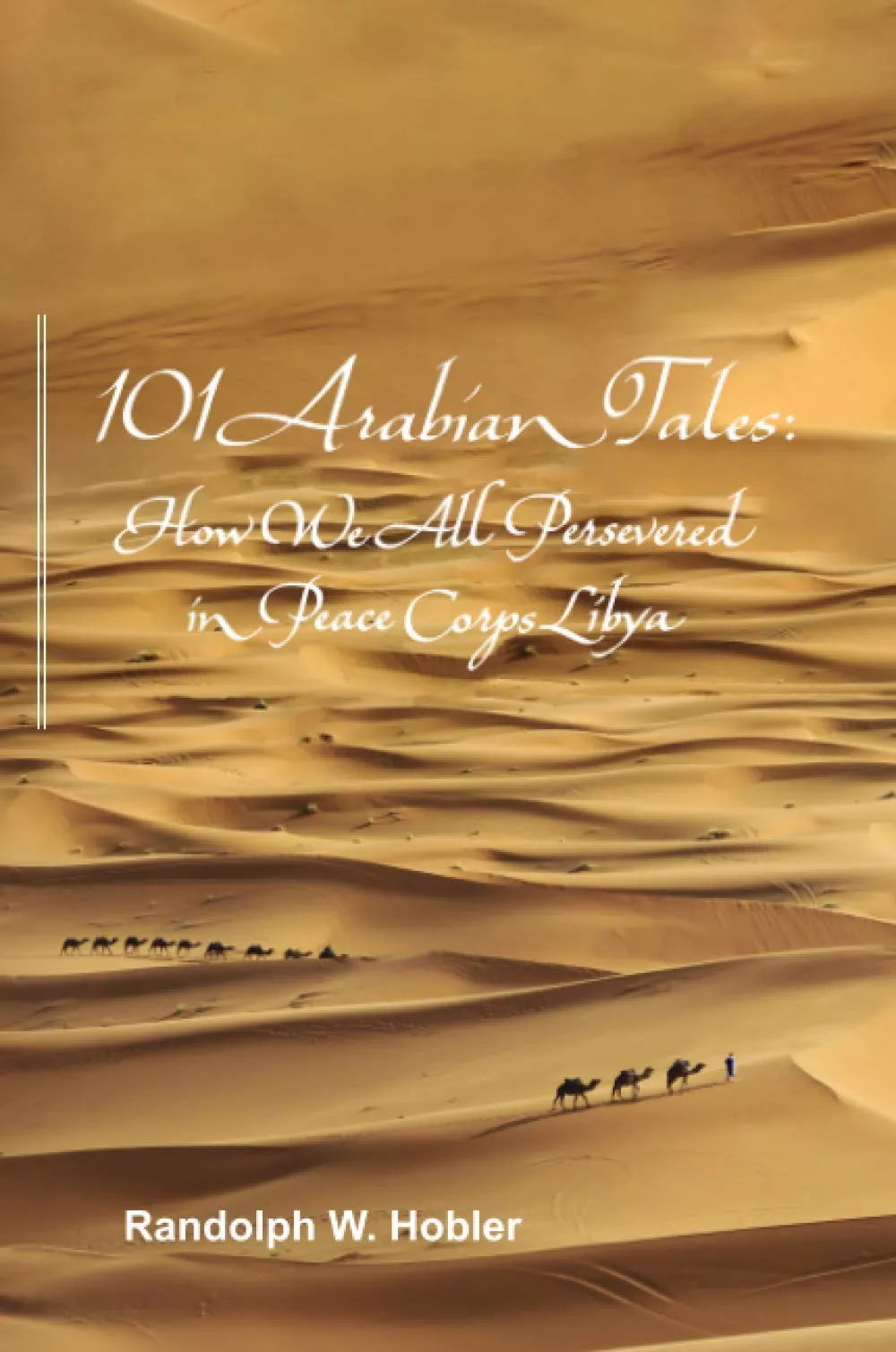
101 Arabian Tales: How We All Persevered in Peace Corps Libya
Robert W. Lebling
Randolph W. Hobler
2020, Lulu Publishing Services, 979-8-6981-6219-3, $22.99 pb.
This book presents an irresistible and very personal look at life in Libya in the 1960s from the perspective of American expatriates—specifically, young, idealistic Peace Corps Volunteers (PCVs). It’s not the first book about the PCV experience in Libya, but it may be the most comprehensive and entertaining. To tell his story, the author supplements his own recollections with the writings and comments of 100 other PCVs and includes a wealth of photographs. Every tale of Hobler’s many Peace Corps colleagues—many of whom ended up teaching English to schoolchildren in remote villages—captivates in its own way. The author tells us about “critters” encountered in Libya, from parasitic flatworms to houseflies “on steroids,” from African wolves to garbage-disposal goats to versatile camels. We learn about Berbers and Tauregs and tasty Libyan cuisine. Through the 101 tales Hobbler offers readers the warmth of a face-to-face conversation that could easily go on and on.
You may also be interested in...

In The Power and the Glory, Football Reinvents Nations—Our Book Review
Jonathan Wilson traces the World Cup’s evolution to global theater where nations negotiate identity, memory and power.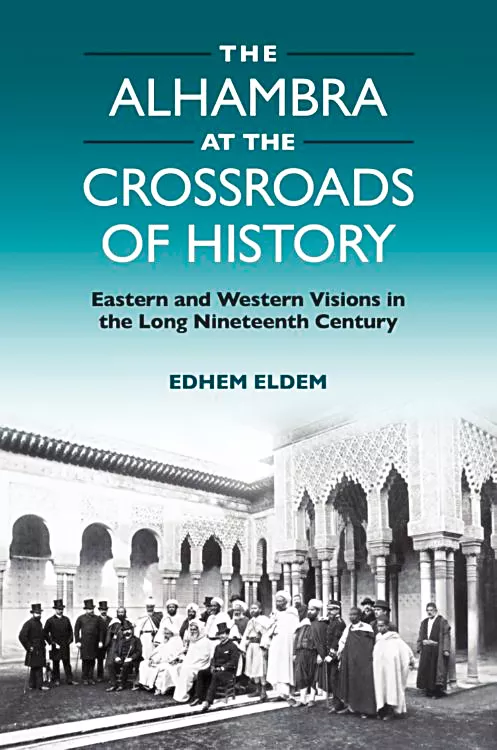
The Alhambra at the Crossroads of History—Our Book Review
The Alhambra at the Crossroads of History shows how the 13th-century Andalusi palace complex in Granada, modern Spain, generates often conflicting meanings at the same time—meanings actively constructed and sometimes misread. Edhem Eldem, an Istanbul-based history professor, traces its role in shaping social and cultural identities across imperial Europe, Arab North Africa and Ottoman Türkiye from the 18th to the early 20th centuries.