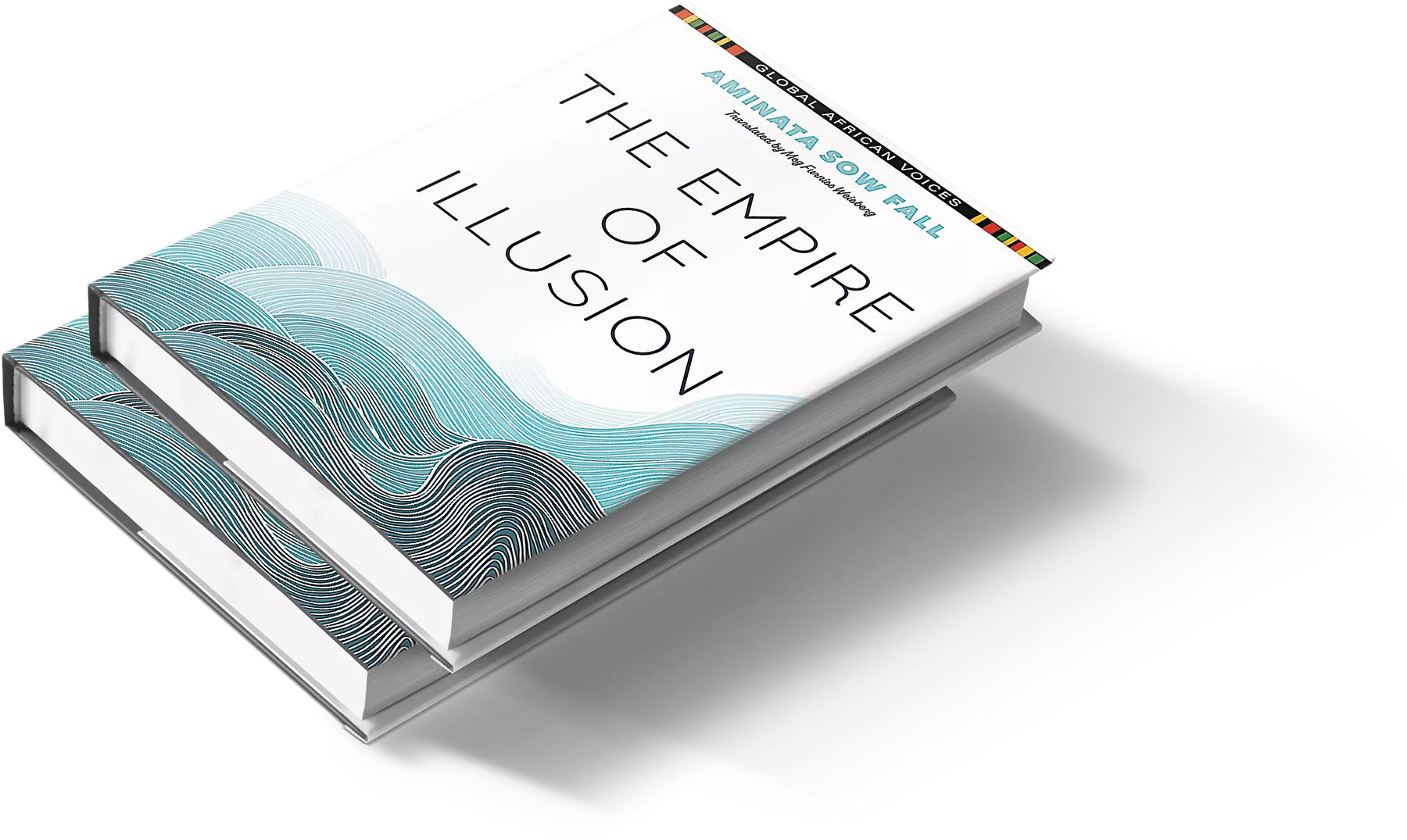
Author Aminata Sow Fall’s Empire of Illusion—Our Book Review
Dianna Wray
The Empire of Illusion
Aminata Sow Fall. Tr. Meg Furniss Weisberg. Indiana University Press, 2023.
What do we owe each other? What do we owe ourselves? These are the questions that Senegalese author Aminata Sow Fall has posed for nearly half a century—ever since her groundbreaking 1979 novel, The Beggars’ Strike, helped define post-independence African literature. In The Empire of Illusion, she turns again to them, exploring the tensions between tradition and modernity, the weight of family and the struggle to retain respect in a world determined to strip it away.
Every Sunday three families gather in their shared courtyard, a small paradise in an unnamed city along Senegal’s Atlantic coast, to share food and conversation. But one lunch shatters the tranquility when young Dieìry, son of Sada, rebukes his father for being cordial with a government minister at a ribbon-cutting ceremony the day before.
In lesser hands this might have become another predictable father-son tale, but here it is only a beginning. After the others at the table soothe the tension between the pair, Sada—a self-made man who lifted his family out of poverty—sinks into reflection, tracing the path that led him to this hard-won peace.
Here the novel truly takes flight. Sow Fall—the first woman to publish a major novel in French from francophone Africa—utilizes her trademark blend of social realism with introspective inquiry to allow the story to unfold. First published in French and translated into English by Meg Furniss Weisberg, the novel carries Sow Fall’s signature narrative rhythm: patient, elliptical and alive with moral complexity. Rather than conforming to familiar Western arcs, The Empire of Illusion unfolds as a mosaic of introspection, nudging readers to ask what it truly means to live with integrity amid the illusions of progress.
Sow Fall layers her answers. Through Sada’s memories, she unravels the journey from childhood in a coastal landfill to the creation of a sanctuary on the same land—a space redeemed through perseverance and care. Yet his success is not solitary. The author underscores how dignity depends on mutual respect, a moral thread connecting every character who gathers in the courtyard under its sighing trees.
The Empire of Illusion urges readers to engage in the fundamental questions of life, honor and morality. Sow Fall’s clear, deliberate prose invites reflection on the values that sustain human community. Her novel reminds us that modern life’s true empire may be the illusions we build around self-interest and pride. Through Sada’s story, she asks readers to rediscover the many ways that living with humility, honor and respect bind us to one another.
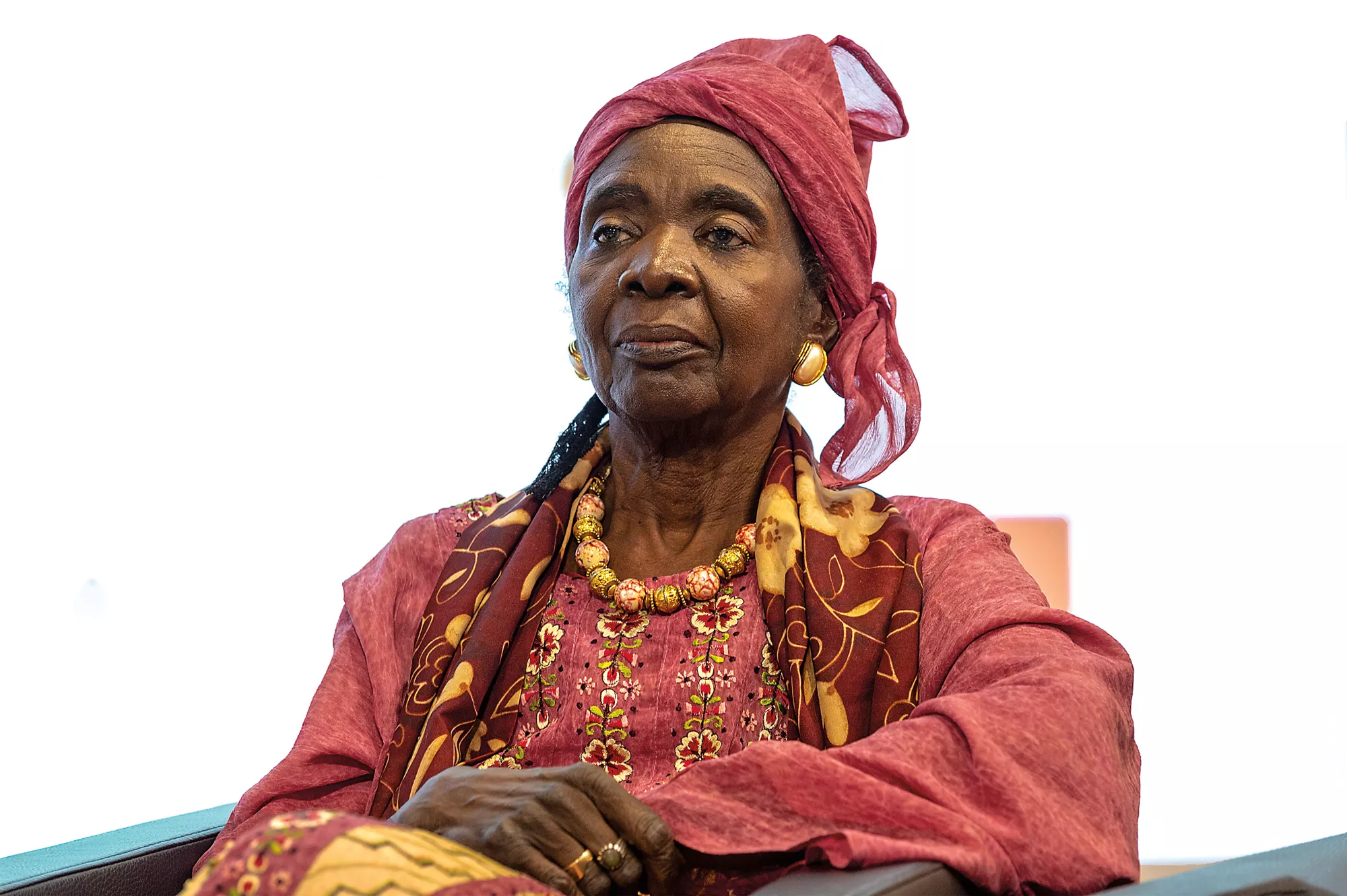
“No one dares intervene, to avoid poisoning the situation any further. Everyone has absorbed the essential unwritten lesson inscribed on the immaterial tablets of their heritage. Wox du forox, said the sage: Speech doesn’t ferment. Know how to listen and not to speak until the opportune moment.”
More From AramcoWorld
Reinventing Identity Across Borders
You may also be interested in...
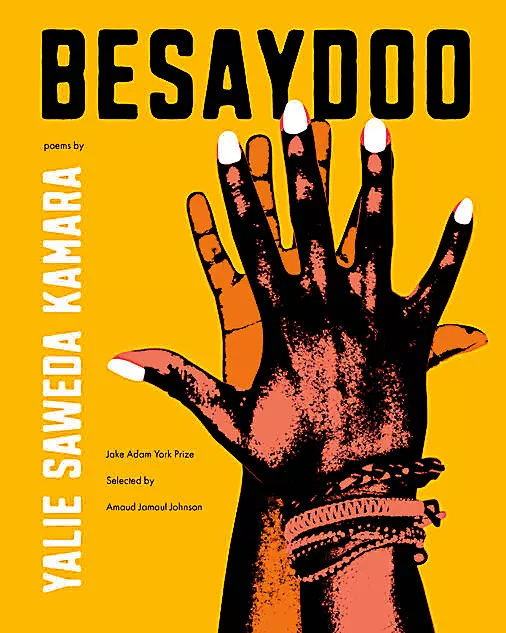
The Two Worlds of Saweda Kamara's Besaydoo: Poems—Our Book Review
Yalie Saweda Kamra's third poetry collection about her experience as a child of African immigrants navigating life in the US and Sierra Leone is both intellectually engaging and emotionally resonant.
Architecture and Affect in the Middle Ages—Our Book Review
Author Paul Binski takes readers on a multisensory tour of medieval cathedrals across Europe.