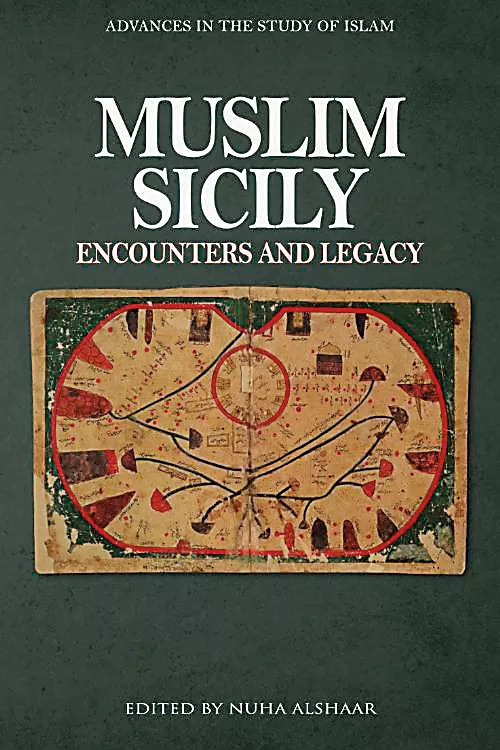
Nuha Alshaar’s Essay Compilation Muslim Sicily—Our Book Review
Christina Riggs
Muslim Sicily: Encounters and Legacy
Nuha Alshaar, ed. Edinburgh University Press, 2024.
What emerges from this volume by Nuha Alshaar, a professor of Arabic literature and Islamic studies, is a rounded picture of Sicily as a site of cultural exchange that shaped the medieval Mediterranean—an entangled, hybrid history that later narratives, influenced by Crusader ideology, often obscured. For nearly 300 years, the island off the toe of Italy’s boot formed part of the dar al-Islam—essentially the Islamic world. Conquered in the early 800s by the Aghlabid dynasty of modern-day Tunisia, Sicily flourished first under its control and then, from the 900s, under the Fatimid-appointed Kalbid governors, an Arab dynasty that replaced them. Muslims, Jews and Christians benefited from the island’s position along key Mediterranean trade routes within a relatively tolerant political order. Arab presence grew strongest in Palermo, seat of the Kalbid court, which attracted artists, scientists and philosophers and linked Sicily to Egypt, Syria and al-Andalus. Alshaar brings together a dozen leading scholars whose expertise spans the humanities and social sciences. Organized thematically, the chapters examine political, social and intellectual life alongside material culture—textiles, coins and art—as well as literature, language and religion. By exploring the intellectual and artistic legacy of Muslim Sicily, Alshaar highlights an area still in need of sustained scholarly attention. By the time the Normans wrested control of Sicily in the 1070s CE, Arabic had dominated the island for generations, while Islam persisted there as a major religion until the mid-13th century, with influences still visible in architecture, food and place names. —Christina Riggs
You may also be interested in...
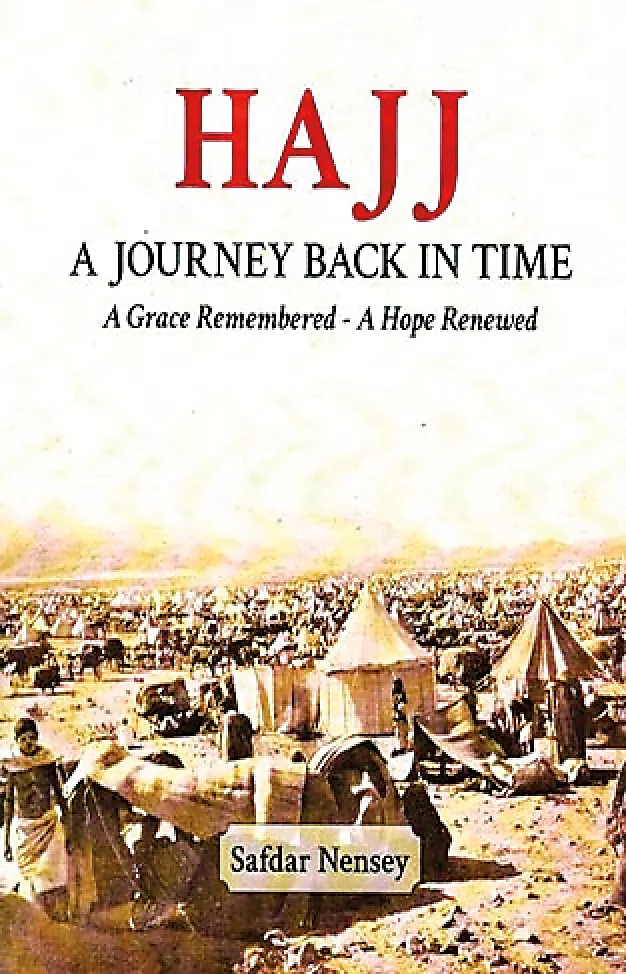
Author Safdar Nensey’s Hajj: A Journey Back in Time—Our Book Review
Safdar Nensey invites readers into one of the world's oldest and most sacred annual expeditions: the Muslim pilgrimage to Makkah.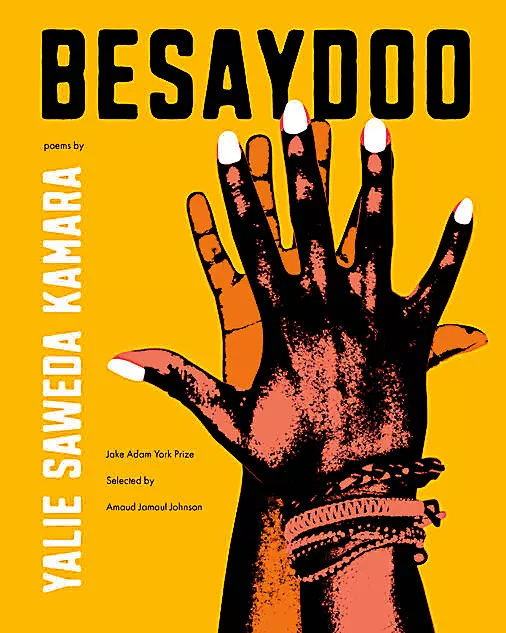
The Two Worlds of Saweda Kamara's Besaydoo: Poems—Our Book Review
Yalie Saweda Kamra's third poetry collection about her experience as a child of African immigrants navigating life in the US and Sierra Leone is both intellectually engaging and emotionally resonant.