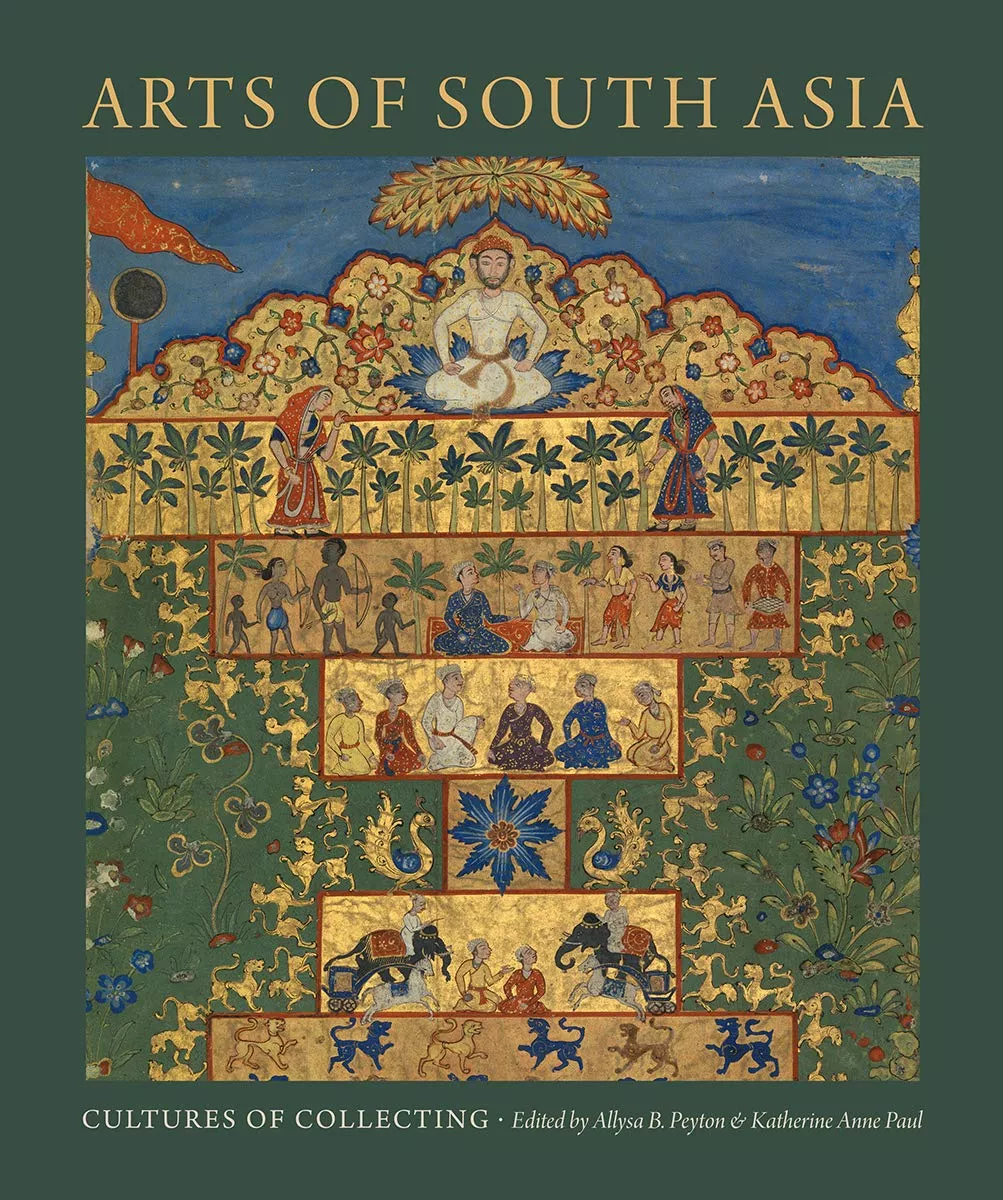
Arts of South Asia: Cultures of Collecting
Lee Lawrence
Allysa B. Peyton and Katherine Anne Paul, eds.
2019, University Press of Florida, 978-1-68340-047-9, $65 hb.
Each of the eight essays in this book brings to life histories embodied in objects that have journeyed from the Indian subcontinent, Cambodia or Indonesia to museums outside South Asia. We learn how individuals like Chester Beatty, Ananda Coomaraswamy, Nasli Heermaneck and some of the many women donors of Newark Museum in New Jersey acquired works; how collectors and curators interpreted and exhibited them; and how, in a few instances, institutions returned them to their country of origin. The cast of characters includes collectors, dealers, scholars and curators interacting within historical contexts. Whether works are carved doors, Mughal paintings, bidriware from South Central India or statuary from Hindu temples, their stories address universal questions of representation and ownership. And the chronological span of these case studies―from the early 1800s to the 2010s―highlights the changes in attitudes and values. Lavishly illustrated, deeply researched and well-written, this book will prove valuable to scholars and non-scholars alike.
You may also be interested in...
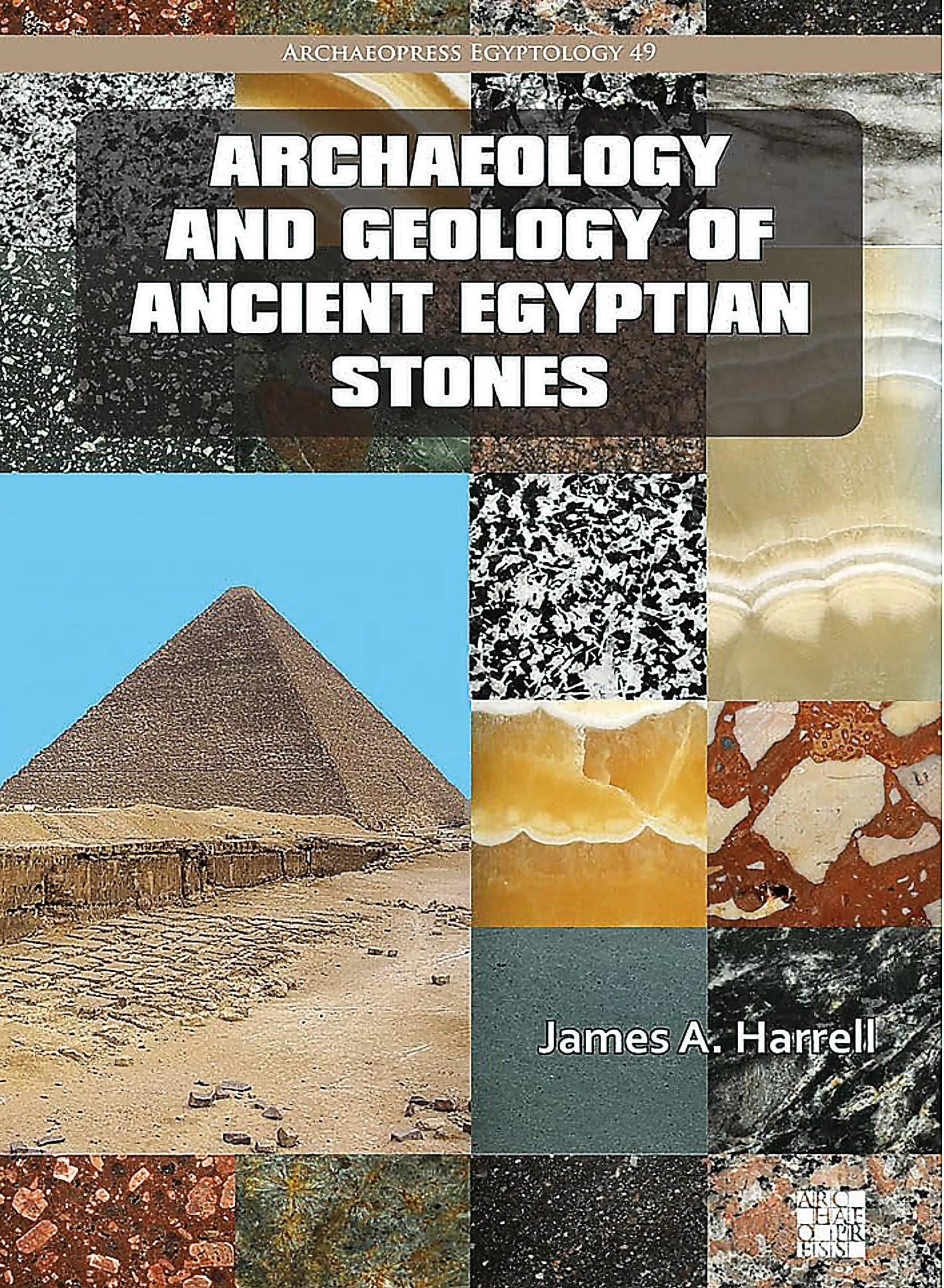
Archaeology and Geology of Ancient Egyptian Stones—Book Review
In categorizing the stones the ancient Egyptians used, author James A. Harrell unites geology, archeology and cultural history in one monumental reference.
In The Power and the Glory, Football Reinvents Nations—Our Book Review
Jonathan Wilson traces the World Cup’s evolution to global theater where nations negotiate identity, memory and power.