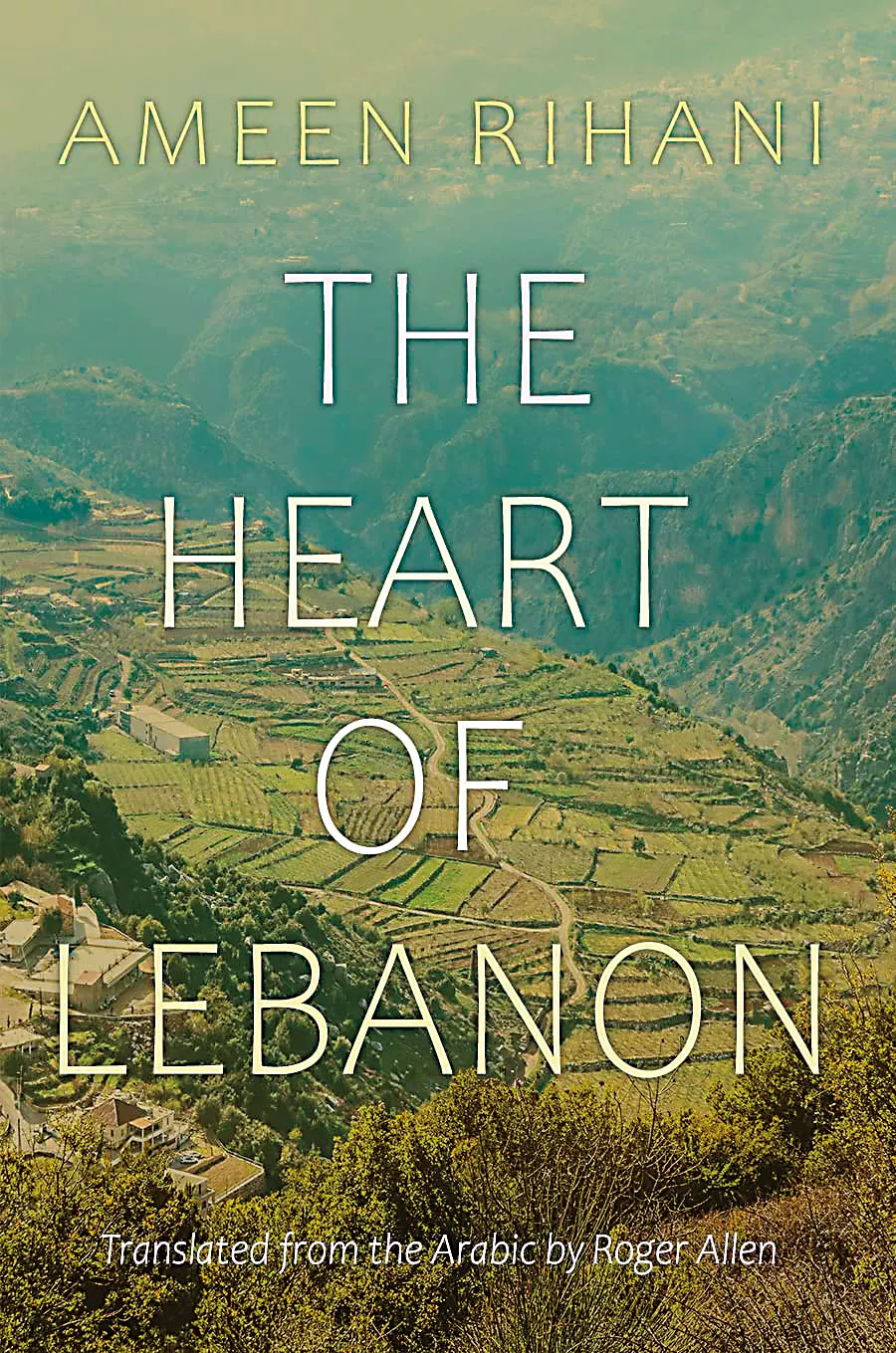
The Heart of Lebanon
Piney Kesting
Ameen Rihani
Syracuse UP, 2021.
A leading figure of the early 20th-century US-based Arabic literary movement al-Mahjar, Rihani first moved to New York in 1888 when he was 12 years old. Nearly 20 years later, in 1907, he returned to his native Lebanon. Rihani planned on making 17 excursions throughout the country, but accomplished only nine of those prior to his death in 1940. Beginning with his first journey by mule to Mount Lebanon and the Cedars, Rihani’s travelog introduces readers to the landscape and the people, as well as to what he describes as the “values of the essential Lebanese heritage—generosity, kindness, chivalry and humility.” Published posthumously in Arabic in 1948, this stirring tribute to Lebanon, translated by Allen, a scholar of Arabic literature, maintains the work’s original voice, allowing readers access to Rihani’s private dialog with his homeland as he savors “the sweet scent of friendly souls and pure hearts.”
—Piney Kesting
You may also be interested in...
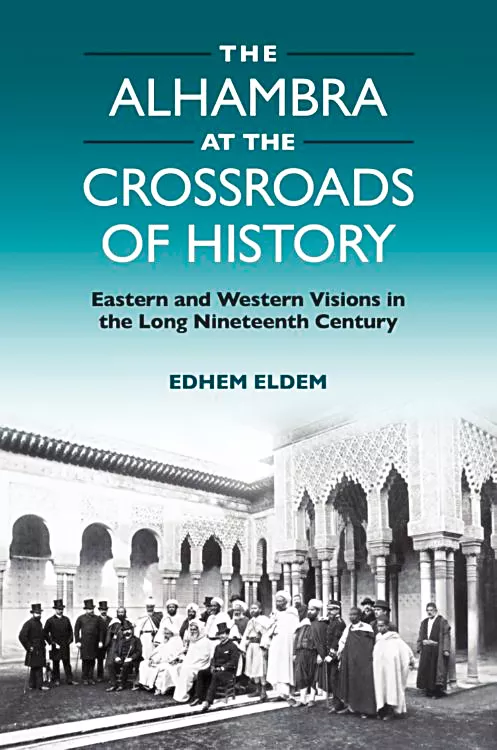
The Alhambra at the Crossroads of History—Our Book Review
The Alhambra at the Crossroads of History shows how the 13th-century Andalusi palace complex in Granada, modern Spain, generates often conflicting meanings at the same time—meanings actively constructed and sometimes misread. Edhem Eldem, an Istanbul-based history professor, traces its role in shaping social and cultural identities across imperial Europe, Arab North Africa and Ottoman Türkiye from the 18th to the early 20th centuries.
Memoir Paints World’s Biggest Game as Great Connector—Our Book Review
Tim Bascom transforms a lifetime of playing football across five continents into a meditation on belonging, arguing that the game’s great gift is not the goals but the wordless understanding it creates among people.