Ottoman Origins, European Echoes
Tom Verde
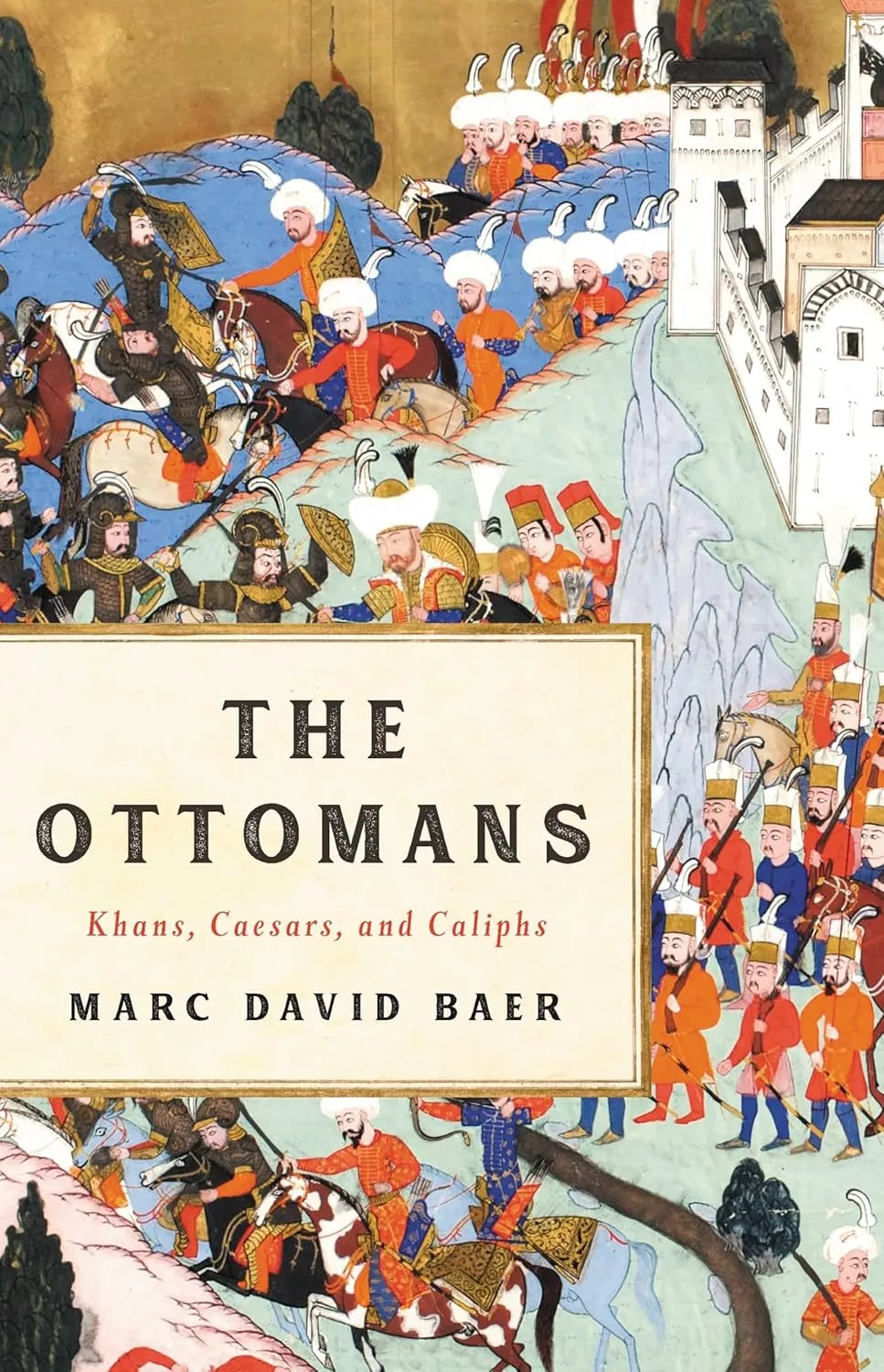
The Ottomans: Khans, Caesars, and Caliphs
Marc David Baer. Basic Books, 2021.
Ottoman Origins, European Echoes
This major history of the Ottoman Empire examines its rise and fall in connection with European history. However, the approach does not subsume Ottoman identity nor ascribe its well documented religious tolerance, secularism and modernity to European influences, just the opposite. Whereas many conventional histories of Europe credit these societal developments to the fallout from convulsive “wars of religion” during the 16th and 17th centuries, Baer, a professor of history at London School of Economics, maintains that a closer look at Ottoman rule in parts of Southeastern Europe as early as the 14th century reveals precedent for religious tolerance that had roots in the traditions of the nomadic, pre-Islamic peoples from the Central Asian Steppe, the cradle of the Ottoman Empire. Meanwhile, under the Ottoman sultans, secular law carried as much, if not more, weight as religious law. To this day, Ottoman urban design remains a feature in cities from Hungary to Egypt, the legacy of an empire whose impact lingers still.
More on Ottoman History
Science Among the Ottomans: The Cultural Creation and the Exchange of Knowledge
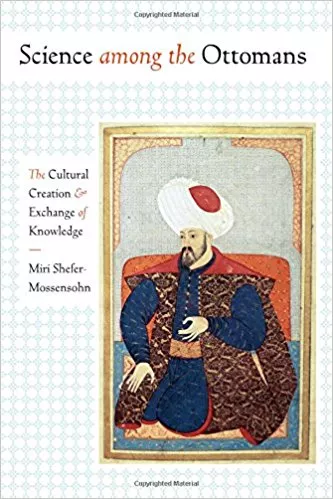
A compelling study of how scholars, artisans and court officials shaped scientific exchange across the empire, revealing an intellectual world far more interconnected and innovative that often assumed.
You may also be interested in...
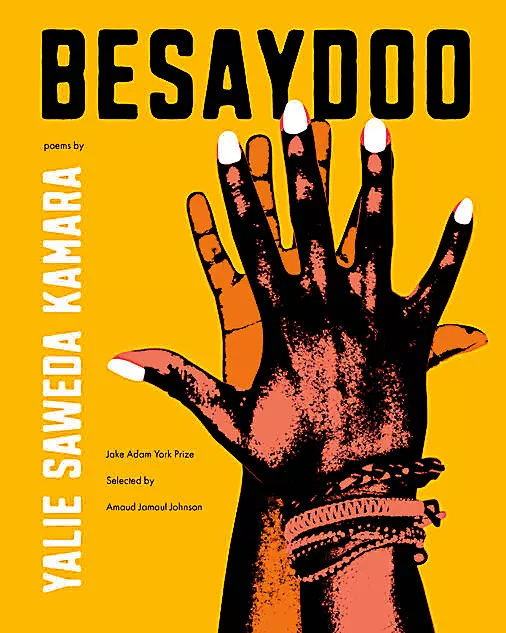
The Two Worlds of Saweda Kamara's Besaydoo: Poems—Our Book Review
Yalie Saweda Kamra's third poetry collection about her experience as a child of African immigrants navigating life in the US and Sierra Leone is both intellectually engaging and emotionally resonant.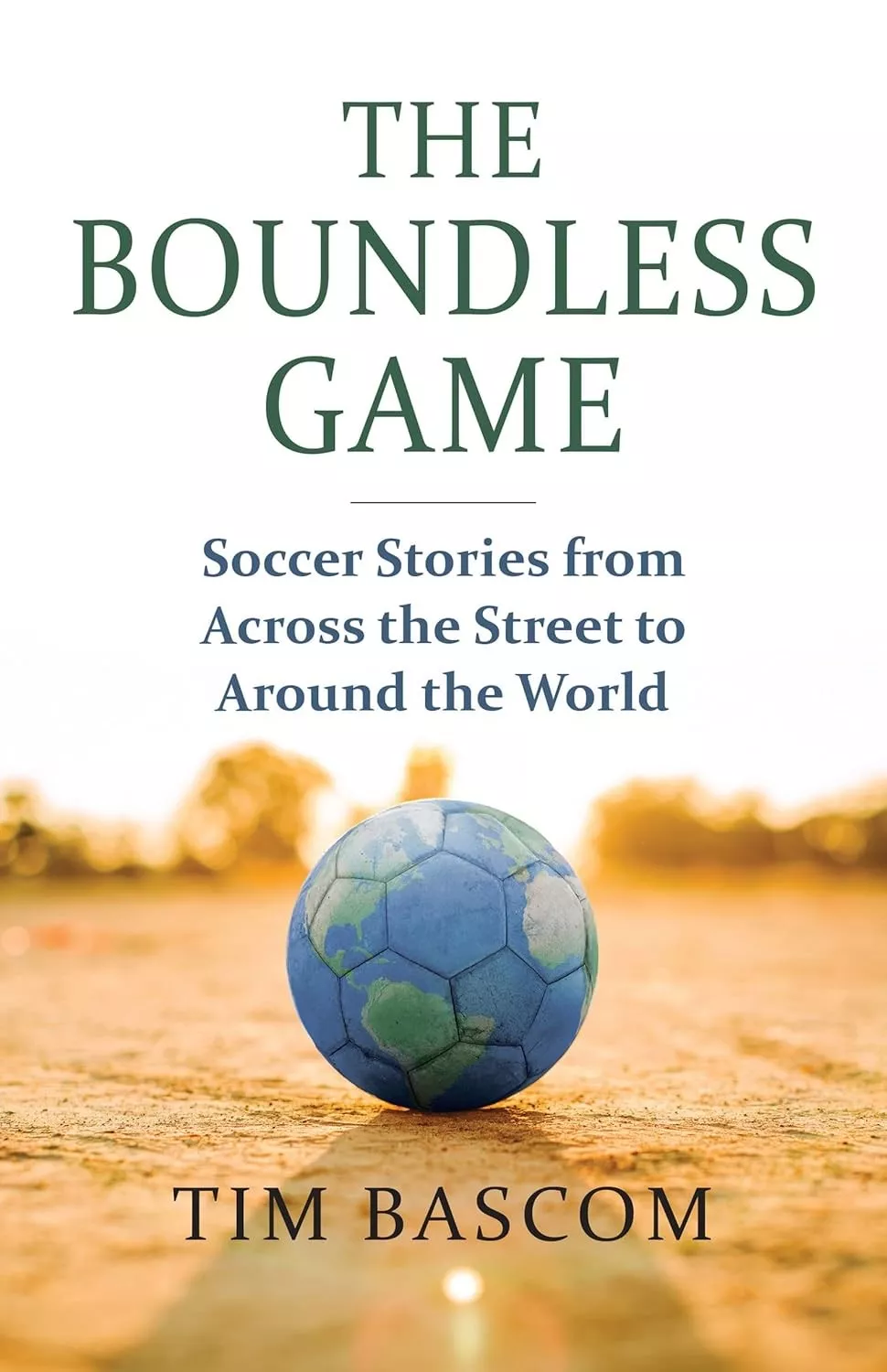
Memoir Paints World’s Biggest Game as Great Connector—Our Book Review
Tim Bascom transforms a lifetime of playing football across five continents into a meditation on belonging, arguing that the game’s great gift is not the goals but the wordless understanding it creates among people.