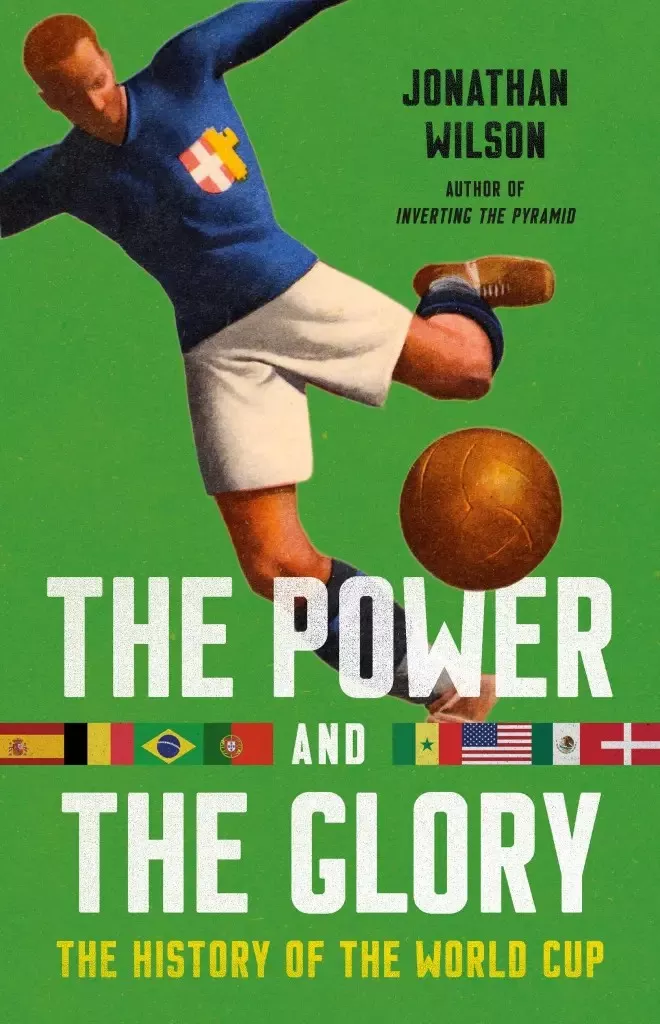
In The Power and the Glory, Football Reinvents Nations—Our Book Review
Zora Hudson
The Power and The Glory: The History of the World Cup
Jonathan Wilson. Bold Type Books, 2025.
"It is … about soccer as a tool for self-projection and for influence peddling, about the role it has played in nation building, about the role it increasingly plays as countries negotiate their positions in a globalized world."
Moments nations rally behind a flag and briefly so imagine themselves united are rare enough to become historical memory. But for author Jonathan Wilson, this unity tells only part of the story. In The Power and The Glory, the World Cup emerges not merely as a sporting tournament but as a stage where nations attempt to redefine how they are seen by themselves and by the world. Wilson, a sports journalist, World Soccer columnist and founder of football history podcast It Was What It Was, traces the tournament from 1930 Uruguay to modern Qatar, treating football and history as inseparable subjects. Chapter by chapter, he argues that each World Cup reveals a nation negotiating identity, power and belonging. He demonstrates this most strikingly through Brazil’s 1958 victory in Stockholm. Spending little time on the matches themselves, Wilson instead centers writer Nelson Rodrigues’s idea of Brazil’s “mongrel complex,” a national inferiority rooted in racial self-doubt. The victory, Wilson argues, did more than win a trophy. It transformed how Brazil saw itself and how the world saw Brazil. That same pattern surfaces in West Germany’s 1954 victory, which Wilson frames less as athletic success than diplomatic rehabilitation for a country remerging from war and shame. By the end, the World Cup no longer appears as a sequence of matches but as a living archive of nations trying to narrate themselves into history.
More From AramcoWorld
Four Football Books to Deepen Your World Cup Experience

Beyond Victory and Defeat
You may also be interested in...
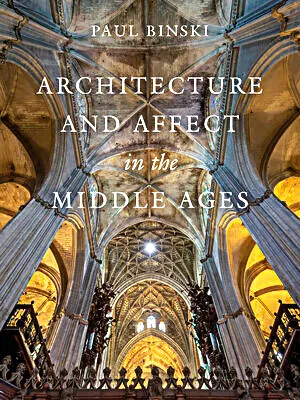
Architecture and Affect in the Middle Ages—Our Book Review
Author Paul Binski takes readers on a multisensory tour of medieval cathedrals across Europe.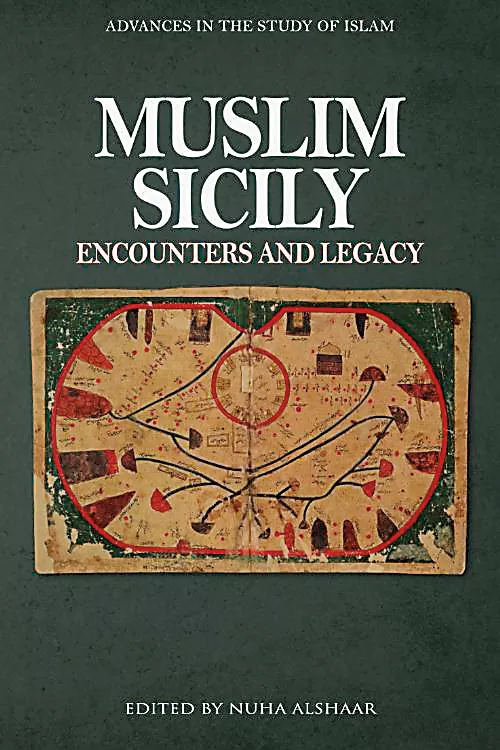
Nuha Alshaar’s Essay Compilation Muslim Sicily—Our Book Review
What emerges from this volume by Nuha Alshaar, a professor of Arabic literature and Islamic studies, is a rounded picture of Sicily as a site of cultural exchange that shaped the medieval Mediterranean.