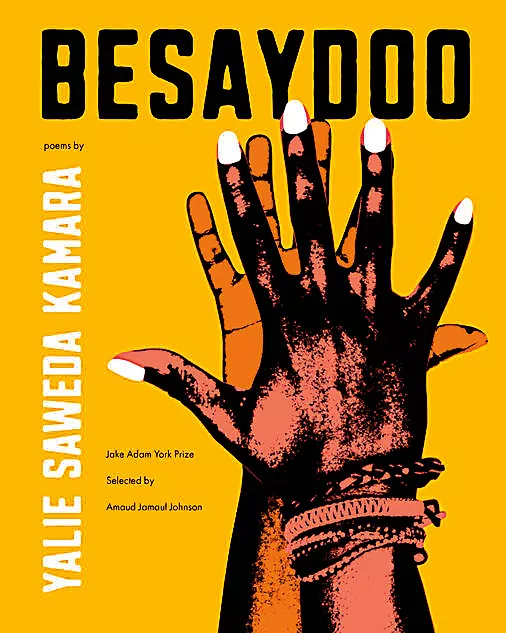
The Two Worlds of Saweda Kamara's Besaydoo: Poems—Our Book Review
Dianna Wray
Besaydoo: Poems
Yalie Saweda Kamara. Milkweed Editions. 2024.
Yalie Saweda Kamara’s third collection, Besaydoo: Poems, winner of the Jake Adam York Prize, takes readers on an evocative journey through her experiences as a child of African immigrants navigating life in the United States and Sierra Leone. Comprising 51 poems, the collection explores the complexities of identity, culture and belonging, particularly through the lens of a Black woman moving between two worlds. Kamara’s command of language and metaphor draws readers into a deeply personal landscape where her specific memories resonate with universal emotional power. In poems like “Space,” she reflects on how growing up in an immigrant family shaped her understanding of herself, including the impact of misspelling her own name and the resulting questions of identity. “Eating Malombo Fruit in Freetown, 1989,” captures the elusive nature of memory and experience as Kamara recounts choking on a malombo fruit pit during a childhood visit to Sierra Leone, a memory her sister insists did not belong to her. The title poem, “Besaydoo,” centers on a tender family moment in which Kamara’s mother mishears a casual phrase between teenagers and transforms it into a cherished expression. The phrase becomes especially meaningful as the family faces life’s challenges, including illness.
More than a memoir in verse, Besaydoo is a meditation on memory, cultural expectations and the immigrant experience. Each reading reveals new layers of meaning, making the collection both intellectually engaging and emotionally resonant long after the final page. —Dianna Wray
You may also be interested in...
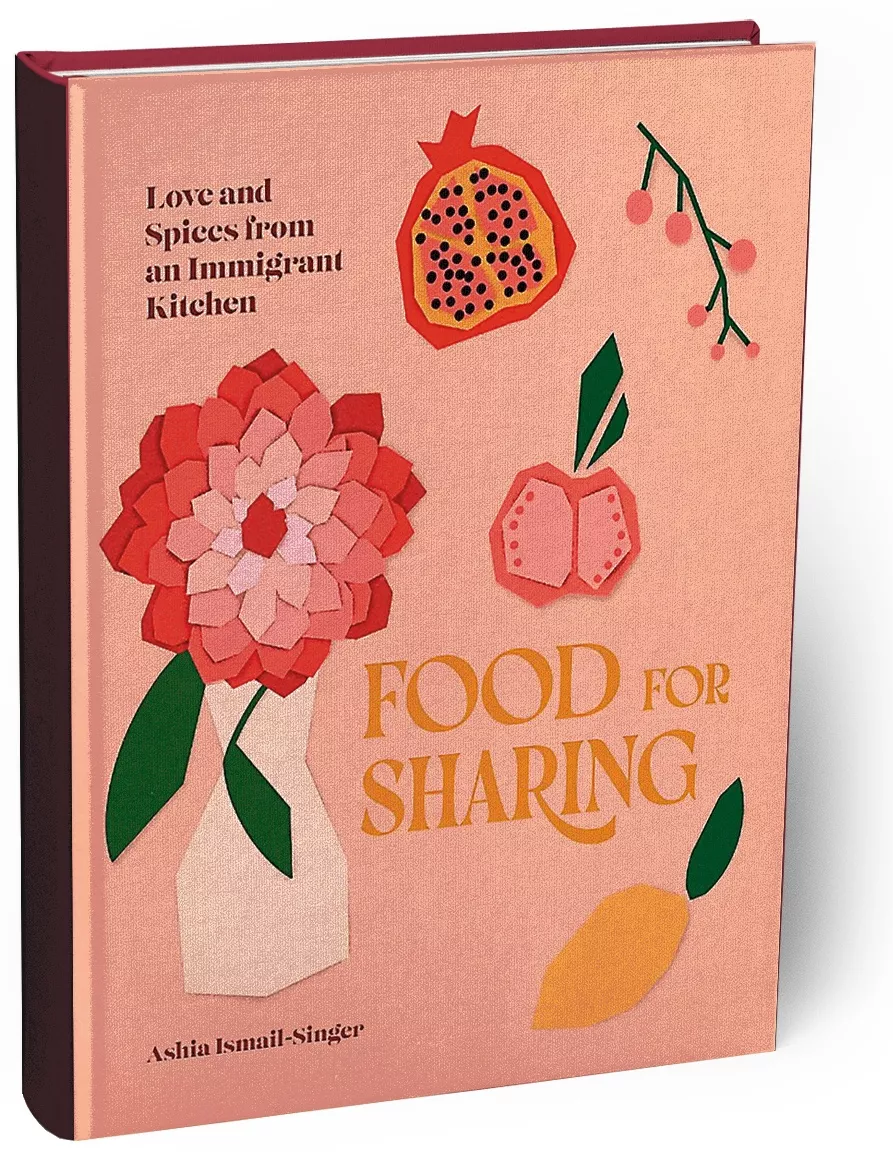
Cookbook Food for Sharing by Ashia Ismail-Singer—Our Book Review
In her third cookbook, Food for Sharing, Ashia Ismail-Singer groups recipes by the social occasions they accompany—presenting food as a means of connecting with cultures around the table.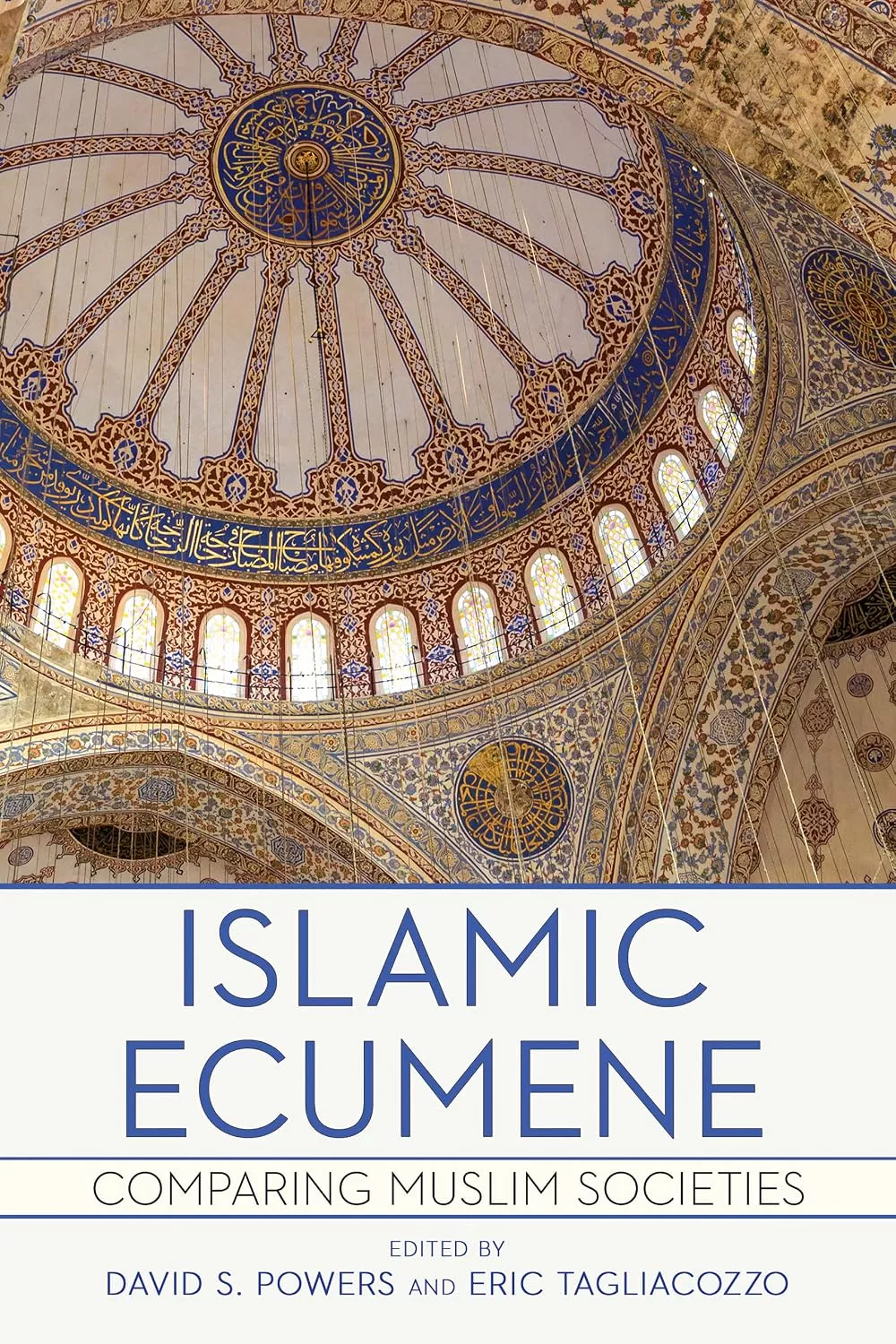
Essay Collection Islamic Ecumene Reveals Complexity—Our Book Review
This collection posits that the Muslim world is historically layered, shaped by centuries of regional choice, encounter, translation and experience.