Spotlight on Photography: Catching the Joy of Rain in Fayoum
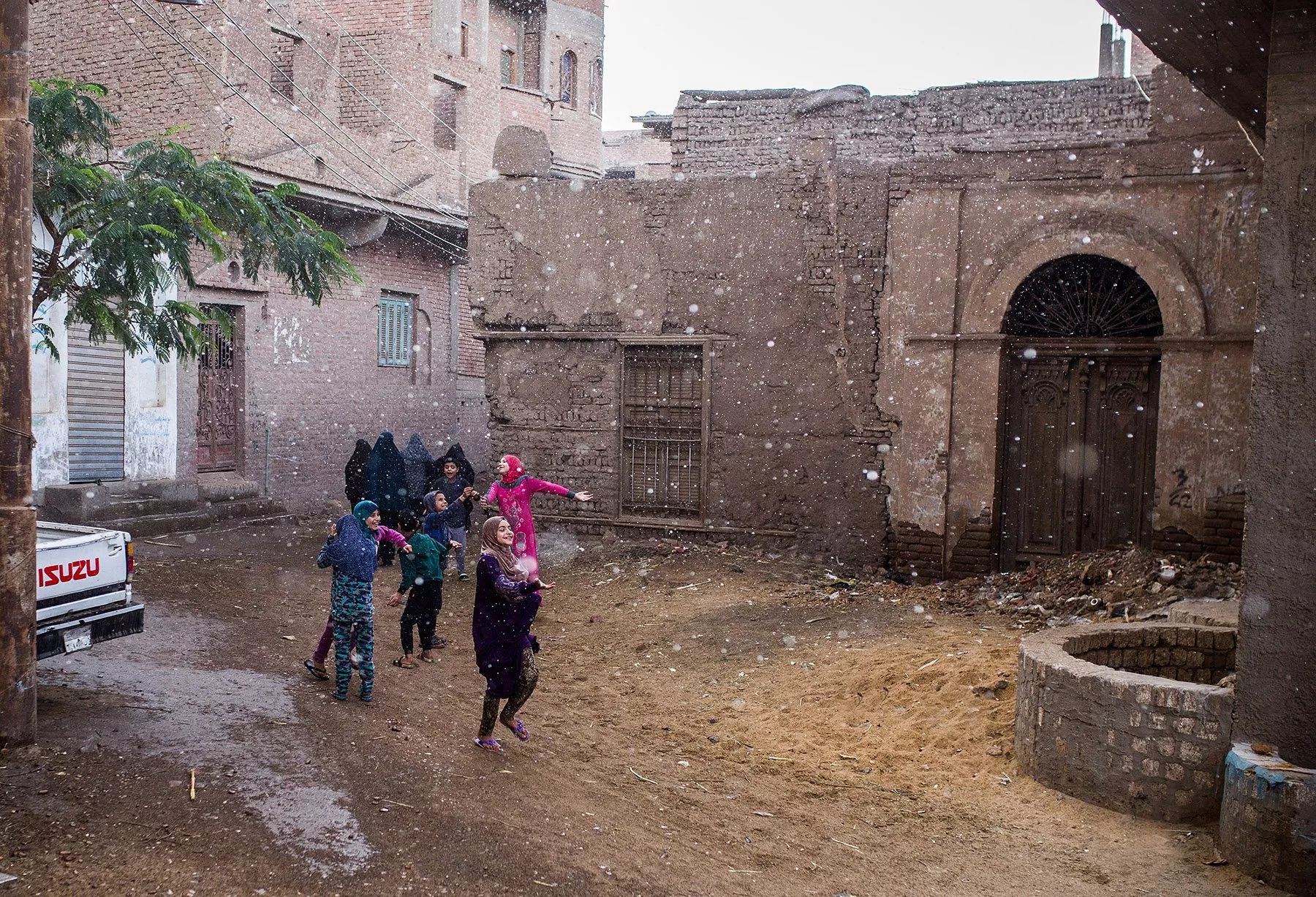
I took this photo during a rainy day in November 2018 from the window of my family home in Fayoum, Egypt, located about 100 kilometers southwest of the capital. It hardly rains but a few times in the year in most parts of Egypt, and when it does, it is always something special, bringing Joy and happiness particularly for the local children.
I took this photo during a rainy day in November 2018 from the window of my family home in Fayoum, Egypt, located about 100 kilometers southwest of the capital. It hardly rains but a few times in the year in most parts of Egypt, and when it does, it is always something special, bringing joy and happiness particularly for the local children.
That day I was in my room when I noticed it raining. I looked out the window and saw children running out of their homes to play in the rain. I quickly reached for my camera and headed to the window to capture this scene. The children were jumping for joy as they ran through the rain while singing traditional Egyptian songs. Some of them even tried catching raindrops on their tongues. Women in the background were trying to make their way home quickly and not get wet.
I’m happy I was able to capture this moment. It reminds me of my own childhood and how I use to play as a child. I take photos like this because it shows how simple a joyful life can be.
—Hesham Elsherif
@hesham.a.elsherif
You may also be interested in...
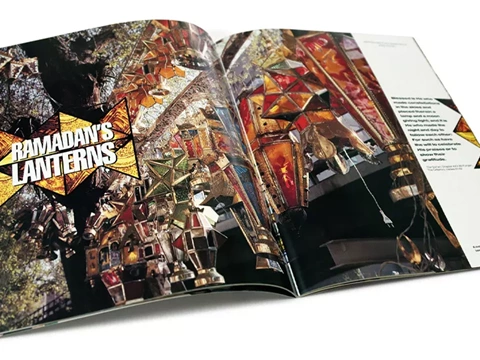
Find Ramadan Lanterns on Cairo's Streets with John Feeney
Arts
In the March/April 1992 issue, writer and photographer John Feeney took AramcoWorld readers on a walk through the streets of Cairo during Ramadan.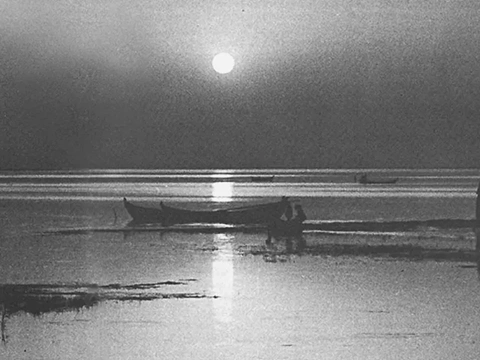
Discovering Life and Architecture in Iraqi Marshes
History
Arts
Amidst "the stillness of a world that never knew an engine... he found at last a life he longed to know and share.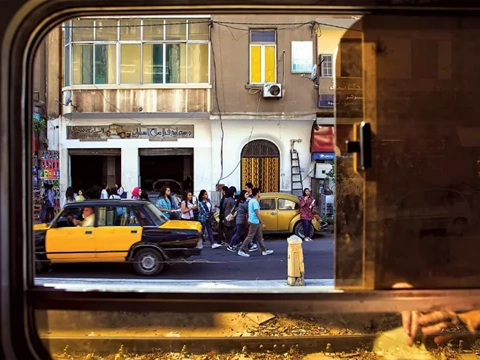
How to Discover Egypt From the Inside Out
Arts
Rather than just telling travelers where to go, the guidebook Egypt: Inside Out by Trevor Naylor offers an inside-out perspective that evokes the experience of being there, inviting readers to embrace an almost meditative travel discipline of slowing down to take in the details and complexities of Egypt, moment by moment.