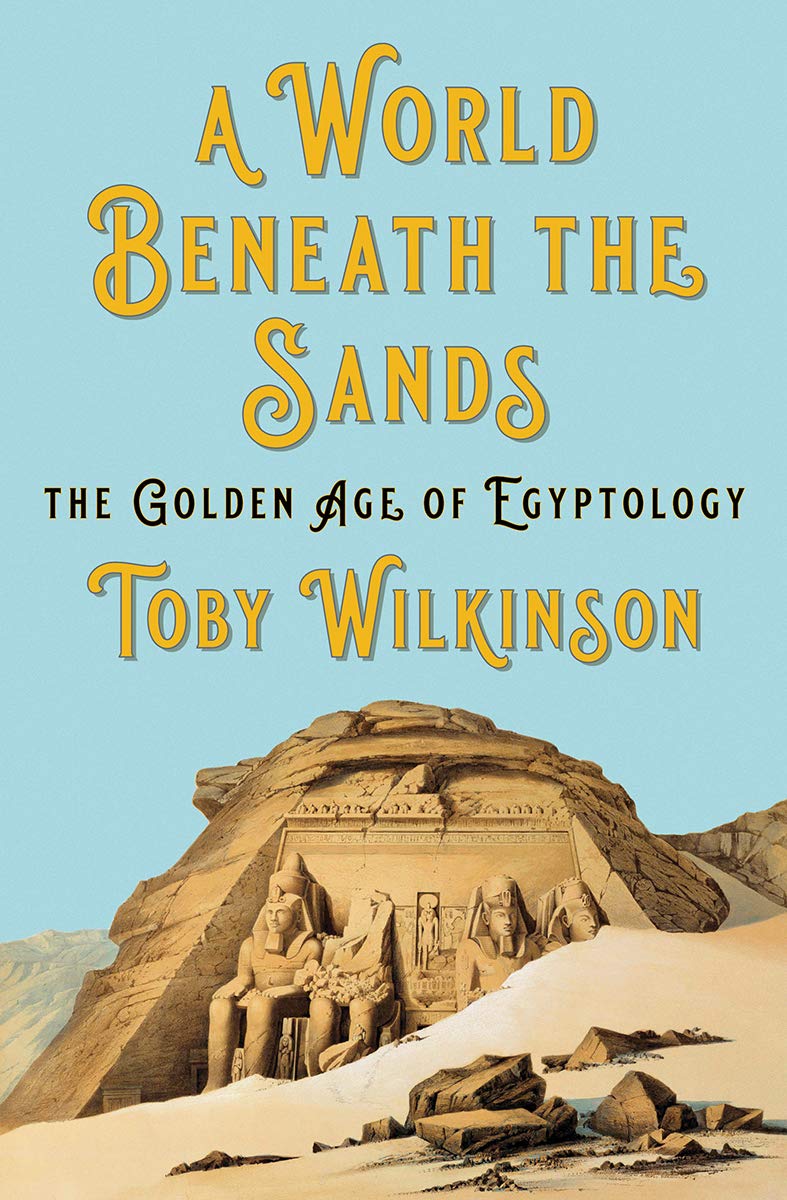
A World Beneath the Sands: The Golden Age of Egyptology
Tom Verde
Toby Wilkinson
2020, W. W. Norton, 9781324006893, $30 hb
Not until the 19th century did scholars in the West dub “Egyptology” an academic science. This history of the field’s evolution examines its leading international players, culminating in the early-20th-century excavations of English archeologist Howard Carter, discoverer of the tomb of Tutankhamun. Many were in it for the money, such as early-19th-century British consul Henry Salt, who pocketed thousands of pounds selling off antiquities to the British Museum; others, like France’s Jean-François Champollion, who in 1822 cracked the code of hieroglyphs, sought renown. Although US consul George Glidden advocated Egyptology as a genuine science in the 1850s, his characteristically colonialist scorn for the local populace puts a tarnish on the very idea of a “golden age” for Egyptology, since the same could be said of many of his predecessors, contemporaries and not a few of those who followed. Wilkinson offers an accessible read for those looking to gain an understanding of how Egyptology evolved from a hobby for the adventurous and (usually) wealthy to a scientifically informed discipline.
You may also be interested in...
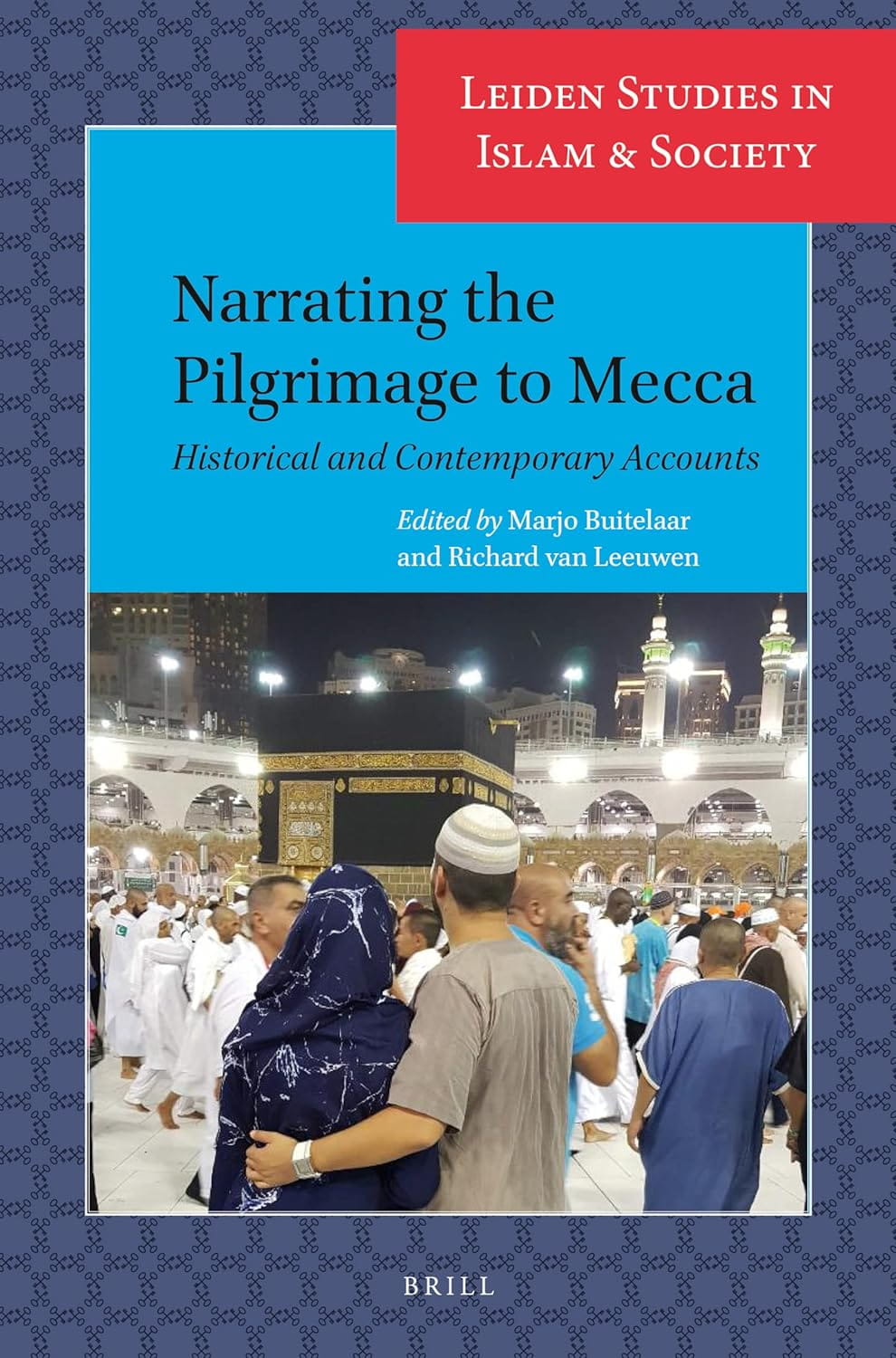
Essays Unpack the Evolving Hajj and Umrah Experience
This volume of essays juxtaposes historical first-hand narratives of Hajj and Umrah journeys with oral interviews of contemporary pilgrims to show the transformative power of storytelling.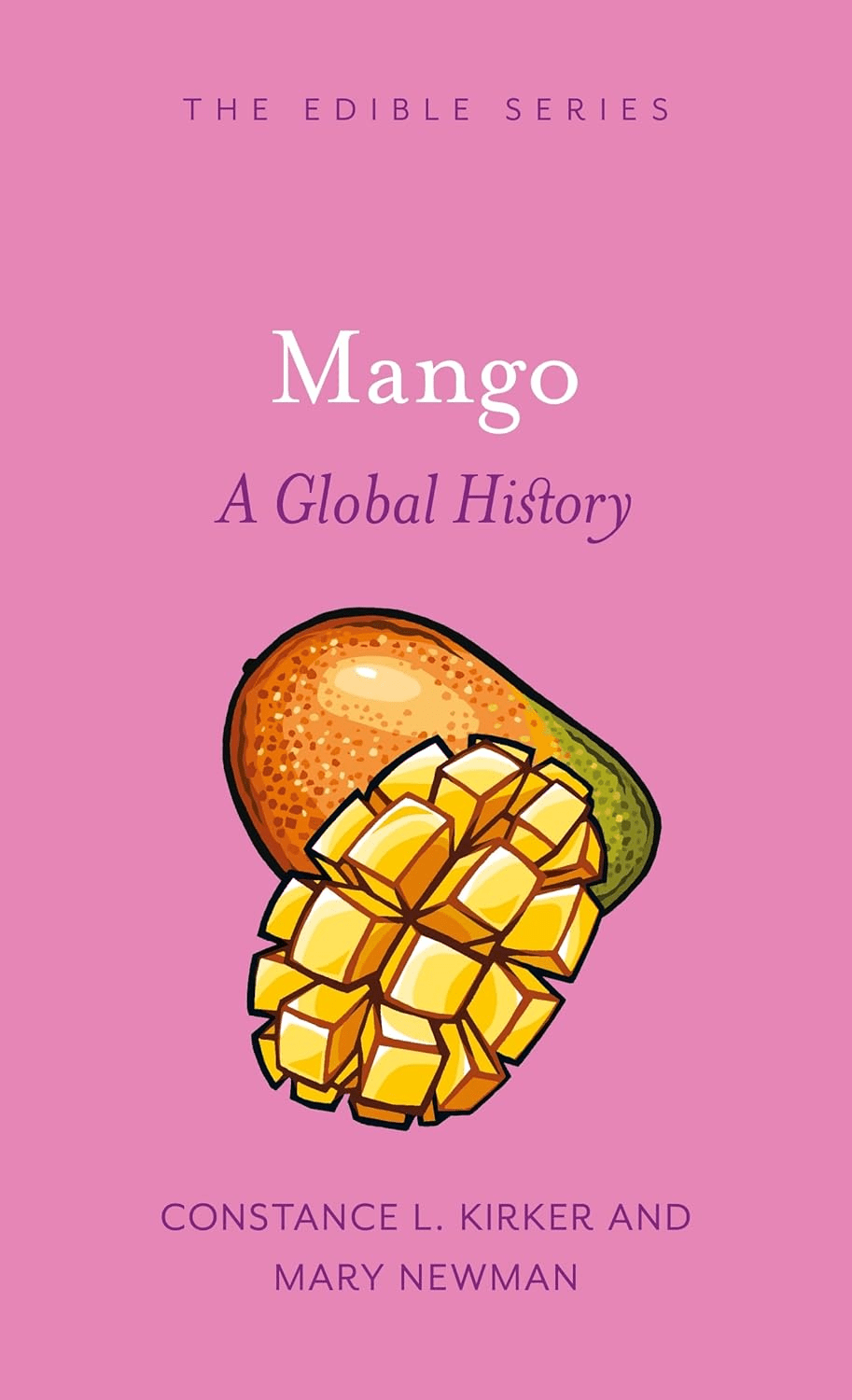
Book ‘s Take on Mangos Serves Up a Curious Mix of Food and History
Constance L. Kirker and Mary Newman trace mango’s cultural and culinary significance around the world.